How to Cook Corn on Cob Boil: A Complete Guide
Master the art of boiling corn on the cob for tender, sweet kernels. This comprehensive guide covers selecting ears, water and salt, timing, testing doneness, serving, and leftover tips for every home cook.


By the end of this guide, you will know how to boil corn on the cob to deliver tender, sweet kernels every time. You'll learn prep tips, the right water temperature, seasoning options, timing, and how to test doneness. The method works with fresh or frozen corn and scales for small or large batches.
Overview of How to Boil Corn on the Cob
If you’re wondering how to cook corn on cob boil, this guide will walk you through the essential steps, from choosing ears to serving. Boiled corn is a timeless staple that shines when the corn is fresh, the water is at the right temperature, and the kernels remain bright and juicy. According to Cooking Tips, mastering this quick technique starts with selecting fresh ears and using a pot with ample space for even heat. The Cooking Tips team found that cooks who boil corn with care report brighter sweetness and crisper kernels. This middle section explains the why and how behind the method, so you can apply it to any batch, whether you’re cooking for two or feeding a crowd. The guidance that follows aligns with Cooking Tips Analysis, 2026, emphasizing simple steps and consistent results rather than complicated techniques. Keep in mind that you can adapt the process for fresh, frozen, or shucked corn, so long as you maintain a lively boil and test doneness toward the end of cooking.
Choosing Fresh Corn and Prep
When selecting corn for boiling, look for ears with bright green husks that feel full and substantial. The silk should be light and slightly damp, not brown or dry, and the kernels should gleam through the husk when gently pressed. If you’re buying pre- husked ears, inspect the kernels for plumpness and a milky fragrance. Rinse lightly under cold water just before cooking to remove any debris or silk. If you prefer to preserve some husk flavor, you can leave the husks on and peel back only a portion to check the kernels. Preparing corn this way helps maintain moisture during boiling and reduces kernel splitting. Always wash hands and utensils after handling raw corn to prevent cross-contamination. For best results, use fresh corn as soon as possible after purchase, because sugars begin to convert to starch shortly after picking. The Cooking Tips team suggests using ears that feel firm and heavy for their size, which often indicates sweeter, juicier kernels.
Water, Salt, and Flavor: Building the Boil
A good boil relies on enough water to submerge the ears completely and heat evenly. Use a large pot with a lid to speed up the process and prevent splashing. Cold or lukewarm water can slow down the boil, so start with hot water if you’re in a rush, but avoid shocking the corn with sudden temperature changes. Salt can be added to taste; many cooks prefer a light pinch or small amount of kosher salt, which enhances the corn’s natural sweetness without overpowering it. Optional flavor boosters include a pat of butter or a few sprigs of herbs added to the water for aroma. Sugar in the water is debated; if used, keep it minimal to avoid altering texture. The aim is a gentle rolling boil that stays steady throughout the corn’s cooking time, ensuring even heat distribution and tender kernels once done.
Step-by-Step Boiling Method (Stovetop)
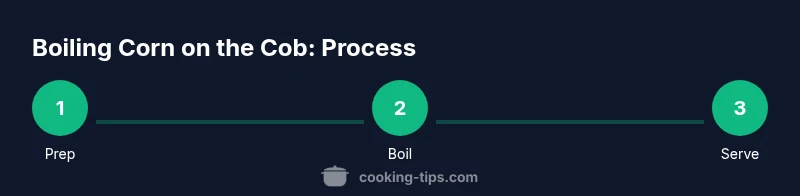
Enter a calm, organized workflow: fill the pot with enough water to totally cover the corn, then set it on high heat with the lid off initially. Once the water reaches a rolling boil, add the ears carefully using tongs to prevent splashing. Reduce heat to maintain a steady boil and start timing as soon as the kernels reappear clearly beneath the surface. Boil fresh corn for about 4-7 minutes; frozen corn may require a minute or two longer. Immediately remove the ears with tongs and drain thoroughly. Serve hot with butter, salt, or your preferred toppings. If you’re boiling multiple ears, space them evenly and avoid overcrowding to keep the boil vigorous. The goal is evenly heated kernels that stay crisp and juicy rather than waterlogged or mushy.
Testing Doneness and Timing Guidelines
Doneness testing is a quick, tactile process. Remove one ear and pierce with a fork or nibble a kernel to assess tenderness; it should be tender but still have some bite, with the kernels easily releasing their sweetness. If the ears resist or feel overly soft, continue boiling in 30-second increments until the texture improves. Note that overcooking yields tougher kernels and less vibrant flavor. Temperature-wise, you’re aiming for a point where the kernels are plump, juicy, and bright. If you’re boiling for a crowd, consider testing a few ears at five-minute intervals to set a reliable target time for the rest. The goal is consistency, so adjust your timing only after you’ve tested a few batches.
Serving, Holding, and Leftovers
Serve immediately for peak sweetness and texture. If you need to hold corn after boiling, place the ears in a warm, covered dish or wrap in a clean towel to retain heat for up to 15 minutes. Leftovers can be stored in the refrigerator for up to two days; reheat briefly in boiling water or in a microwave with a splash of water to restore moisture. For presentation, consider a simple finish of melted butter and a light sprinkle of salt. If you want to reintroduce flavor without reheating, toss the corn with chopped herbs or paprika for a quick twist. The key is to preserve moisture and brightness so the corn remains appealing after reheating.
Common Mistakes and Expert Tips
Common mistakes include overcrowding the pot, which lowers the boiling temperature and leads to uneven cooking, and adding corn too early, causing calls for longer boiling. To avoid soggy kernels, keep the water at a gentle, steady boil and remove corn promptly once done. Pro tip: dry the ears thoroughly before serving to prevent steam buildup and soggy tops. Another tip is to prepare toppings ahead of time so that each ear can be enjoyed with your preferred finishing touch. Finally, if you’re cooking for guests with varying tastes, boil ears in small batches to tailor doneness per batch and keep every ear tasting fresh.
Tools & Materials
- Large pot (6-8 quarts)(Deep enough to submerge corn fully; leave room for boiling water.)
- Tongs(For safe handling when adding and removing ears.)
- Water(Enough to cover ears by 1-2 inches.)
- Kosher salt or sea salt(Adds flavor; adjust to taste.)
- Corn on the cob (fresh or frozen)(Rinse if needed; keep husks on if desired for extra aroma.)
- Butter or toppings (optional)(For serving, melts over warm ears.)
Steps
Estimated time: Estimated total time: 15-20 minutes
- 1
Prep the corn
Shuck if desired and rinse the ears to remove silk and debris. Pat dry to reduce splashing when the water boils. Prepare any toppings you plan to use so they’re ready for serving.
Tip: Removing excess silk helps kernels heat evenly and improves texture. - 2
Choose your pot and water
Select a large enough pot to submerge all ears; fill with cold water and place on high heat. For flavor, you can add a pinch of salt to the water before it comes to a boil.
Tip: Avoid overcrowding the pot; stagger ears if boiling many at once. - 3
Bring water to a boil
Cover partially to speed up heating, then uncover once boiling begins. A rolling boil ensures even heat distribution for uniform cooking.
Tip: Starting with hot water can shave a few minutes off the total cook time, but don’t skip the rolling boil phase. - 4
Add corn carefully
Lower ears into the boiling water one by one using tongs to prevent splashing. Return to a boil as needed and then reduce heat to maintain a steady simmer.
Tip: Keep the boil steady; a vigorous boil over time can toughen kernels. - 5
Cook until tender
Fresh corn typically needs about 4-7 minutes once a steady boil resumes; frozen corn may take a minute longer. Check a kernel for tenderness with a fork.
Tip: If your ears vary in size, test a few and adjust total time for the batch. - 6
Test for doneness
Pierce kernels with a fork; they should be tender but still juicy. Remove ears as soon as they reach the desired texture to avoid overcooking.
Tip: Taste one ear to confirm sweetness and texture before batch removal. - 7
Drain and serve
Lift ears from water with tongs and let excess moisture drain away. Serve hot with butter or preferred toppings, and keep warm until all ears are served.
Tip: Keep ears wrapped lightly in a clean towel if you’re serving later. - 8
Store leftovers properly
If you have leftovers, cool quickly and store in an airtight container in the fridge. Reheat with a splash of water to revive moisture.
Tip: Avoid reheating too long to prevent kernel toughening.
Quick Answers
Should I husk the corn before boiling?
Husks are optional. Boiling with husks can preserve moisture and aroma, while husking can speed up prep and provide easier seasoning and handling. Either method works, depending on your preference and timing.
Husk before boiling is optional; use your preferred method to balance flavor and prep time.
How long does corn take to boil?
Fresh corn usually cooks in about 4-7 minutes after the water returns to a boil. Frozen corn may require a minute or two longer. Always test a kernel for tenderness before removing all ears.
Most ears take around five minutes once boiling restarts; test one to confirm.
Should salt be added to the boiling water?
Adding a pinch of salt can enhance flavor but is not required for texture. If you’re watching salt intake, you can omit it and season the corn after cooking.
Salt is optional for flavor; you can skip it if you prefer.
Can I cook corn without butter?
Butter is a common finishing touch but not essential. For a lighter option, serve with herbs or a drizzle of olive oil instead.
No butter needed; top with your favorite seasonings instead.
How do I tell if corn is overcooked?
Overcooked corn tends to soften too much, lose brightness, and taste less sweet. If kernels collapse under pressure, reduce cooking time next batch.
If kernels feel mushy or dull, you likely cooked it too long.
What about frozen corn on the cob?
Frozen corn can be boiled directly from the freezer; it may need a minute longer than fresh corn. Adjust by testing a few ears and keeping the boil steady.
Frozen corn often needs a just little longer; test a few ears.
Is it better to use salted or unsalted water for corn?
Salted water improves flavor for many cooks, but unsalted water works well too if you prefer to control salt separately on the plate.
Salted water adds flavor; if you’re watching salt, skip it in the water and season later.
Can I reuse the boiling water for other corn ears?
Reusing the boiling water is generally fine for a second batch of corn, provided the water stays boiling and doesn’t get contaminated. If the water looks turbid or has added debris, start fresh.
You can reuse if it’s still clean and boiling well.
Watch Video
Top Takeaways
- Choose fresh corn for best sweetness and texture.
- Maintain a steady boil for even cooking.
- Test doneness by kernel tenderness, not color alone.
- Serve immediately for peak flavor and juiciness.