Are Cooked Onions Good for You? A Nutrition Guide for Home Cooks
Explore whether cooked onions support health, how cooking alters nutrients, and practical tips to maximize nutrition in everyday meals. Learn when to sauté, steam, or roast for best results.


Are cooked onions good for you? Yes, they can be part of a healthy diet. Cooking onions reduces some heat-sensitive nutrients, but it also makes certain antioxidants more accessible and improves flavor, which can boost meal satisfaction and nutrient intake. When prepared with mindful methods (little oil, gentle heat), onions contribute fiber, prebiotics, and beneficial compounds without major downsides.
Are Cooked Onions Good for You: Nutritional Outlook
According to Cooking Tips, onions are a versatile vegetable that can contribute valuable nutrients even after cooking. The question are cooked onions good for you is nuanced: the cooking process can alter certain nutrients while preserving others, and the way you cook them matters for flavor, digestion, and overall health. In practical terms, cooked onions deliver fiber and prebiotic compounds that support gut health, while becoming sweeter and more digestible as they soften. They also maintain micronutrients like minerals and some phytonutrients, especially when not overcooked. For home cooks, the takeaway is simple: include onions in a variety of dishes and vary your cooking methods to balance taste, texture, and nutrition.
When you cook onions, you’re not just changing texture—you’re shaping how your body uses what’s in the onion. The soluble fiber and prebiotic compounds in onions can support gut bacteria, which in turn influences digestion and nutrient absorption. Even after heat, onions contribute to daily fiber intake and can help round out a meal with warmth and fullness. The Cooking Tips team emphasizes that the form matters: soups, stews, and sautés all offer different nutrient profiles, so a mixed approach across the week is ideal. Remember, the question isn’t binary: cooked onions are not magically more or less healthy; they’re a flexible vegetable that fits into diverse dietary patterns.
For readers prioritizing flavor without sacrificing nutrition, think about cooking onions with a small amount of healthy fat to aid the absorption of fat-soluble compounds, and finish with a splash of acid (lemon juice or vinegar) to brighten flavors without adding heavy sauces. This keeps meals satisfying while preserving key nutrients. As you rotate between raw and cooked preparations, you’ll notice that onions remain a dependable source of fiber and plant-based compounds that support a balanced diet.
How Cooking Changes Onion Nutrition: Vitamin C, Flavonoids, and Sulfur Compounds
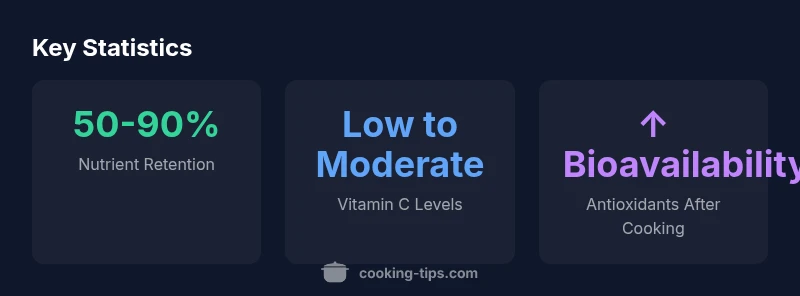
Onions are relatively modest in vitamin C, but they do contribute this nutrient to the diet. Cooking generally lowers water-soluble vitamins like vitamin C, especially with prolonged or high-heat methods. However, heat can unlock and increase the availability of certain flavonoids and sulfur-containing compounds that contribute to flavor and potential health benefits. The sulfur compounds in onions, which contribute to their distinctive aroma and potential heart-healthy effects, remain present after cooking, though their exact forms may shift with heat. Additionally, the breakdown of cell walls during cooking can make some antioxidants more accessible to the body, potentially offsetting some losses in other nutrients. The net effect depends on how you cook and how long you cook. Keeping cooking times moderate and using gentle methods helps preserve a favorable balance of nutrients while still delivering the sensory benefits that onions provide.
From a gut-health perspective, the prebiotic fibers and certain carbohydrates in onions support microbiome diversity. Cooking softens these fibers, potentially making them easier to digest for some people, while still delivering their beneficial effects. The bottom line: cooking onions changes the nutrient profile, sometimes reducing a few vitamins but potentially enhancing the accessibility of others. Coupled with their fiber content, onions can contribute meaningfully to a healthy eating pattern when used as part of a varied diet.
For home cooks aiming for a nutritionally balanced dish, it’s helpful to alternate between raw and cooked onions across meals. This approach leverages the strengths of each form while keeping meals interesting and flavorful. Cooking Tips recommends keeping portions moderate and pairing onions with a variety of colorful vegetables and whole grains to maximize overall nutrient intake.
Cooking Methods to Maximize Health Benefits
Choosing the right cooking method can help preserve nutrients and maximize flavor when preparing onions. Gentle heating methods—such as sautéing in a small amount of healthy fat (like extra-virgin olive oil) for a short period, steaming, or roasting at moderate temperatures—tend to retain more fiber and maintain a favorable nutrient balance compared with deep-frying or long simmering. Sautéing onions slowly allows their natural sugars to transform, enhancing sweetness without the need for excessive fats or salt, which supports a healthier overall dish. Roasting concentrates flavors, making it easier to use smaller portions while still delivering satisfaction. Steaming preserves moisture and can minimize nutrient loss, particularly for vitamin C.
The Cooking Tips team also suggests cooking onions with acidic elements such as lemon juice or vinegar toward the end of cooking. The acid can help stabilize some antioxidants and brighten flavor without higher heat exposure. If you’re preparing onions for a sauce or soup, consider adding onions toward the end of the simmering process to minimize nutrient degradation while preserving their aromatic profile. Finally, avoid overheating onions for extended periods; this not only risks burning but may further degrade heat-sensitive compounds. In short, optimum health benefits come from moderate heat, small amounts of healthy fat, and thoughtful timing.
In practical terms, plan your onion cooking around the dish’s overall nutrition goals: use onions as a flavor backbone rather than the sole protein or fat source, and rotate between methods to balance taste, texture, and nutrient retention.
Practical Ways to Include Cooked Onions in Everyday Meals
Cooked onions are incredibly versatile, making it easy to include them across a wide range of meals. Start your day with a handful of caramelized onions stirred into omelets or scrambled eggs for a depth of sweetness without added sugar. Add sautéed onions to soups and stews to boost flavor and fiber, or fold roasted onions into grain bowls and salads for texture. In vegetarian dishes, onions can form the aromatic base for bean stews or lentil curries, contributing both flavor and nourishment. For meat-based meals, use onions as a topping on grilled chicken or fish, or mix them into sauces that accompany proteins. A little onion goes a long way, so using it to elevate other nutritious ingredients is a simple way to improve overall meal quality. You can also prepare a batch of caramelized onions ahead of time and store them in the fridge for quick additions to pizzas, flatbreads, or burrito bowls. The key is variety: rotating between raw, gently cooked, and fully caramelized onions keeps meals interesting while delivering the vegetable’s fiber and plant compounds.
Common Misconceptions About Onions and Health
Many people assume all onions have identical health effects whether raw or cooked, but nutrient changes depend on the cooking method and duration. While some vitamin C is lost through heat, onions still contribute dietary fiber and prebiotic compounds that support gut health. It’s also a misconception that onions automatically cause digestive discomfort; for most people, onions can be part of a balanced diet when prepared in moderation and paired with other fiber-rich foods. Finally, there’s a belief that cooking onions eliminates their nutritional value entirely; in reality, while some nutrients decrease, others become more bioavailable, and the overall diet quality can improve when onions replace less-healthful flavor enhancers.
To maximize the benefits, include a variety of onion preparations in your week—raw in salads, lightly sautéed, and roasted as a side. This approach helps you enjoy the flavor and texture while sustaining dietary fiber and other beneficial compounds.
Shopping, Storage, and Selection for Freshness
Choosing and storing onions properly helps retain flavor and nutrition. Look for onions that feel firm with smooth, papery skins and no soft spots. Store onions in a cool, dry, well-ventilated place away from potatoes, which can release moisture and cause onions to spoil faster. Once cut, onions should be stored in an airtight container in the refrigerator and used within a few days to preserve flavor and minimize nutrient loss. When planning meals, consider buying a mix of onion varieties—yellow for versatility, red for color and aroma, and white for milder, quicker-cooking applications. Freezing onions is possible but changes texture, so plan ahead and cook them before freezing if you need long-term storage. Fresh onions are a pantry staple that can support diverse meals across seasons, especially when you have a plan for using both raw and cooked forms.
Data Table: Onion Varieties and Cooking Approaches
Common onion varieties and recommended cooking approaches
| Onion Type | Best Cooking Method | Key Nutritional Note |
|---|---|---|
| Yellow onion | Sauté or roast | Good all-round flavor; fiber retained |
| Red onion | Grill or caramelize | Colorful; strong aroma preserved |
| White onion | Sauté briefly | Mild, quick-cooking option |
Quick Answers
Are cooked onions more nutritious than raw onions?
Raw onions provide more vitamin C, but cooking can increase the availability of some antioxidants. A mixed approach—using both raw and cooked onions—offers a broader nutrient profile.
Raw onions have more vitamin C, but cooking can unlock other beneficial compounds. A mix of raw and cooked onions typically covers nutrient bases.
Does cooking onions reduce vitamin C?
Yes, heat can reduce vitamin C. Shorter cooking times and lower heat help preserve more of this vitamin, while still delivering flavor and other nutrients.
Yes, heat lowers vitamin C. Quick cooking helps preserve it better than long exposures.
What cooking method preserves the most nutrients?
Gentle methods like light sautéing, steaming, or roasting at moderate temperatures tend to preserve fiber and antioxidants better than deep-frying or prolonged high heat.
Gentle sautéing, steaming, or moderate roasting preserves nutrients best.
Should I use oil when cooking onions for health?
A small amount of healthy oil can aid nutrient absorption, particularly for fat-soluble compounds. Choose oils like olive oil and keep portions modest.
A little healthy oil helps absorption; keep portions modest.
How much onion should I eat for health benefits?
There’s no one-size-fits-all amount. Include moderate portions as part of a varied diet that includes plenty of vegetables, whole grains, and fruit.
Moderate portions as part of a varied diet are a sensible goal.
“Onions are a nutrient-rich vegetable whose health benefits hold up well when cooked with care. The key is to minimize excessive heat and use healthy fats to help absorption of fat-soluble compounds.”
Top Takeaways
- Sauté onions gently to maximize nutrient retention.
- Use a variety of cooking methods to balance flavor and nutrition.
- Pair onions with healthy fats to improve absorption of beneficial compounds.
- Store onions properly to extend freshness and flavor.