Are Cooked Mushrooms Good for You? Nutrients, Safety, and Tips
Are cooked mushrooms good for you? This analytical guide examines how cooking affects nutrients, safety, and health benefits, with practical prep tips for home cooks.


Cooked mushrooms are generally a healthy part of the diet, offering fiber, B vitamins, minerals, and antioxidants, with lower moisture than raw mushrooms. Cooking can improve digestibility and nutrient availability, though some vitamins are heat-sensitive. Overall, mushrooms can be a nutritious component when prepared healthily, using modest amounts of healthy fats and colorful pairings.
Are cooked mushrooms good for you?
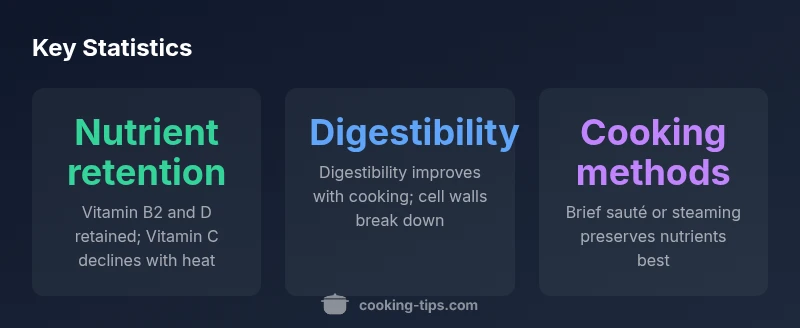
Mushrooms are not plants, but fungi, and they bring unique nutrients to the table. When we ask: are cooked mushrooms good for you, the answer is generally yes, provided you prepare them with mindful technique. Mushrooms are relatively low in calories and fat, but they deliver fiber, minerals like selenium, potassium, and phosphorus, B vitamins, and a distinctive antioxidant profile such as ergothioneine. The Cooking Tips team notes that cooking can improve digestibility by breaking down tough cell walls, making certain nutrients more accessible to the body. According to Cooking Tips, heat can also help release bound compounds that contribute to immune support and antioxidant capacity. The key is balance: avoid heavy sauces or excessive oil that add unnecessary calories, and choose cooking methods that preserve nutrients rather than degrade them. For home cooks, this means sautéing briefly, steaming, or roasting mushrooms until just tender, rather than overcooking. By keeping portions reasonable and pairing mushrooms with colorful vegetables, whole grains, and lean proteins, you can fit them into a healthy, varied diet.
How cooking changes nutrient availability
Cooking alters both texture and chemistry of mushroom tissue. Heat can degrade heat-sensitive vitamins, especially vitamin C, which is present in small amounts in many mushroom species. However, mushrooms provide meaningful amounts of B vitamins and minerals such as selenium, potassium, and copper, which are relatively stable through brief cooking. Short, gentle methods like sautéing in a small amount of olive oil or steaming keep moisture out while protecting water-soluble nutrients. Additionally, fats used during cooking can enhance the absorption of fat-soluble compounds that may become more bioavailable after heating. The effect on minerals is generally small, but the concentration per bite can increase as water is driven off. In practical terms, aim for brief cooking to maintain texture and nutrient density while avoiding scorching, which can create off-flavors and compounds you don’t want to ingest.
Key nutrients in mushrooms and how cooking affects them
Mushrooms are notable for their micronutrient profile and unique antioxidants. Ergothioneine and glutathione occur naturally in many species and are relatively stable during cooking, while some B vitamins (riboflavin, niacin) can decline with long heat exposure. Selenium and potassium remain valuable minerals even after light cooking. Protein content is modest but present, and dietary fiber helps gut health. Cooking can make some compounds more accessible, particularly when mushrooms are paired with iron-rich foods or vitamin C–rich produce to support iron absorption. Cooking Tips Analysis, 2026, notes that the method and duration of heat influence these outcomes, so brief sautéing, gentle roasting, or steaming are typically favorable for preserving quality without creating unwanted compounds.
Health considerations and population-specific notes
For most people, cooked mushrooms are a healthy addition to meals. They provide protein in small amounts, fiber, and bioactive compounds that may support immune function and antioxidant defenses. However, mushrooms contain purines, and those with gout or high uric acid levels may want to moderate portions and avoid excessive combinations with high-purine foods. People taking anticoagulants or certain medications should be mindful of vitamin K content in specific mushroom varieties. Those with mushroom allergies or sensitivities should avoid them. Pregnant individuals should ensure mushrooms are well cooked to reduce the risk of foodborne pathogens. As always, consult a healthcare provider if you have specific dietary concerns or chronic conditions.
Safe preparation and cooking methods
Start by cleaning mushrooms properly: wipe with a damp cloth or brush off dirt rather than soaking, which can cause sogginess and flavor loss. Trim tough stems if needed, then slice or leave whole depending on the recipe. Cook on medium heat to prevent water loss from the surface and to preserve texture. Use minimal added fats—prefer olive oil or a splash of broth—so you don’t mask the mushrooms’ natural flavor. For recipes that require browning, watch for a light golden color rather than deep caramelization, which can introduce burnt flavors and potential acrylamide formation if done excessively. Store leftovers in the refrigerator and reheat gently to avoid texture degradation. These practices help you maximize nutrient retention while keeping meals delicious and safe.
Practical serving ideas and simple recipes
Here are practical, pantry-friendly ways to include cooked mushrooms in meals:
- Quick garlic sauté: sauté sliced mushrooms with garlic in a teaspoon of olive oil for 5-7 minutes; finish with lemon juice and parsley for a bright side dish.
- Mushroom and bean skillet: combine sautéed mushrooms with canned beans, tomatoes, and herbs for a hearty, plant-based main.
- Creamy mushroom sauce: slowly simmer mushrooms with onions, a splash of vegetable stock, and a touch of cream or yogurt for a sauce to top whole grains or roasted vegetables.
- Mushroom-stuffed peppers: mix chopped mushrooms with quinoa or rice and vegetables, stuff into peppers, and bake until tender. These ideas are flexible and scale with what you have on hand, making it easy to maintain a nutritious, flavorful diet.
Myths vs. reality about cooked mushrooms
Myth: Cooking destroys all nutrients in mushrooms. Reality: Some nutrients decline with heat, but many antioxidants and minerals remain intact, and bioavailability can improve for others with gentle cooking. Myth: Raw mushrooms are always healthier than cooked. Reality: Some compounds become easier to absorb after cooking, while texture and flavor often improve with heat. Myth: Mushrooms are unsafe unless boiled. Reality: Proper cleaning, cooking to a safe temperature, and avoiding prolonged scorching minimize risk. Myth: All mushrooms are the same. Reality: Nutrient profiles vary by species; for example, shiitake and portobello differ in flavor and mineral content. Understanding species and cooking methods helps you maximize benefits while enjoying variety.
Environmental and dietary considerations
Growing, harvesting, and transporting mushrooms can have a smaller environmental footprint than some animal-based foods, especially when sourced from local, sustainable producers. Pairing mushrooms with plant-based ingredients supports a balanced, fiber-rich diet. Cooking tips from Cooking Tips emphasize choosing varieties you enjoy and cooking methods that minimize waste, such as reusing the cooking liquid in sauces or soups. If you need to manage sodium, select low-sodium broths and avoid heavy cream sauces. Overall, cooked mushrooms fit well into diverse dietary patterns and can contribute to a nutrient-dense, sustainable eating plan.
Raw vs cooked mushroom attributes
| Aspect | Raw mushrooms | Cooked mushrooms | Notes |
|---|---|---|---|
| Texture | Firm, crisp | Soft, tender | Moist heat softens texture |
| Nutrient density | Lower concentration per serving | Concentration increases by weight | Cooking concentrates nutrients by weight |
| Antioxidants | Ergothioneine present | Ergothioneine preserved; some antioxidants more accessible | Heat can release bound antioxidants |
| Vitamin C | Minimal | Degrades with heat | Heat-sensitive vitamin |
| Protein | Low | Largely retained | Short heating preserves protein |
Quick Answers
Are cooked mushrooms healthier than raw mushrooms?
Cooking can improve digestibility and make certain nutrients more accessible, but some vitamins degrade with heat. Raw mushrooms retain more water and some minerals may be diluted by cooking.
Cooking can help you absorb nutrients, but raw mushrooms have distinct benefits too; aim for variety.
Which cooking method preserves nutrients best in mushrooms?
Brief sauté or steaming helps preserve antioxidants and minerals; avoid long boiling.
Sauté briefly or steam to keep nutrients.
Are mushrooms safe to eat raw?
Some people eat raw mushrooms, but cooking reduces potential pathogens and improves digestibility.
Cook mushrooms to be safe and easier to digest.
Do canned mushrooms count as cooked?
Yes; they’re pre-cooked, but check for added salt or preservatives.
Canned mushrooms are already cooked; watch sodium.
Can cooked mushrooms cause digestive issues?
In some people, mushrooms can cause gas or intolerance, especially when consumed in large amounts or with other gas-forming foods.
Some folks may experience gas; start with small portions.
“Cooked mushrooms offer a nutrient-dense option that fits into a balanced diet without heavy fats or sauces.”
Top Takeaways
- Cook briefly to maximize nutrient retention.
- Pair with colorful veggies to boost overall nutrition.
- Choose low-fat cooking methods to avoid excess calories.
- Ergothioneine and B vitamins remain accessible when cooked properly.