Is Cooked Bad or Good? A Home Cook’s Guide to Safe, Nutritious Cooking
Explore when cooking enhances safety and nutrition, when it can reduce nutrients, and how to cook smartly for delicious, nutritious meals every day.


Cooked foods can be both good and bad, depending on how they’re prepared. Cooking kills many pathogens and improves digestibility, but overcooking or using harmful methods can reduce nutrients or form potentially harmful compounds. The key is choosing safer methods, short cooking times, and proper storage. According to Cooking Tips, smart cooking preserves flavor and nutrition while minimizing risk.
Understanding the Binary: Is Cooked Bad or Good?
For many home cooks, the question is framed as a binary: is cooked food inherently good or bad? The reality is nuanced. Cooking is essential for safety, flavor, and digestibility. Properly cooked meals can preserve most nutrients while reducing harmful microbes; poorly cooked or burnt foods can introduce risks and lower nutrient availability. The Cooking Tips team emphasizes that the word 'cooked' is a spectrum—from gentle steaming to quick searing, all of which influence taste and nutrition in different ways. Reading labels, using safe equipment, and following basic cooking guidelines helps you treat 'is cooked bad or good' as a practical decision rather than a moral verdict. Throughout, you’ll see how the concept applies to vegetables, grains, and proteins in everyday cooking, not just fancy techniques.
How Cooking Affects Nutrients and Bioavailability
Heat changes the structure of nutrients. Water-soluble vitamins may leach into cooking water, while minerals stay with the food; some compounds become more bioavailable after cooking, such as lycopene in tomatoes or beta-carotene in carrots. Proteins denature and become easier to digest when cooked, but excessive heat can reduce essential amino acid quality. Fats in cooking can also affect the absorption of fat-soluble vitamins. The key is balancing heat and time to maximize nutrient preservation while ensuring food safety. For many ingredients, a short, gentle cook retains more nutrients than long, high-heat methods. Cooking Tips analysis shows that different foods respond differently to heat, so a one-size-fits-all rule rarely applies.
Safe Cooking Methods for Home Cooks
There is no one perfect method for every dish. Steaming and boiling minimize nutrient loss and reduce browning, while microwaving can preserve texture and nutrients due to short cook times. Sautéing or pan-searing adds flavor through Maillard reactions, but watch for charring. Baking and roasting concentrate flavors but can dry out proteins if overdone. The safest approach is to tailor method to the ingredient and use a thermometer to avoid overcooking. Also, consider using the cooking water as a base for sauces to prevent nutrient loss. In practice, combine methods: steam greens, sear proteins briefly, and finish with a gentle bake to optimize both safety and nutrition.
Debunking Common Myths About Cooked Food
Myth 1: Raw foods are always healthier than cooked ones. Reality: some nutrients are more available after cooking, while others are preserved best when raw. Myth 2: Cooking always destroys nutrients. Reality: most nutrients survive sensible cooking, and some are enhanced. Myth 3: Microwave cooking is unsafe. Reality: microwave ovens heat food quickly with minimal nutrient loss when used correctly. Myth 4: All burnt food is dangerous. Reality: minor browning adds flavor and can be harmless, but burnt areas may harbor undesirable compounds, so trim or avoid them. This section helps you rewrite the is cooked bad or good narrative into practical decisions.
Guide to Doneness, Safety, and Internal Quality
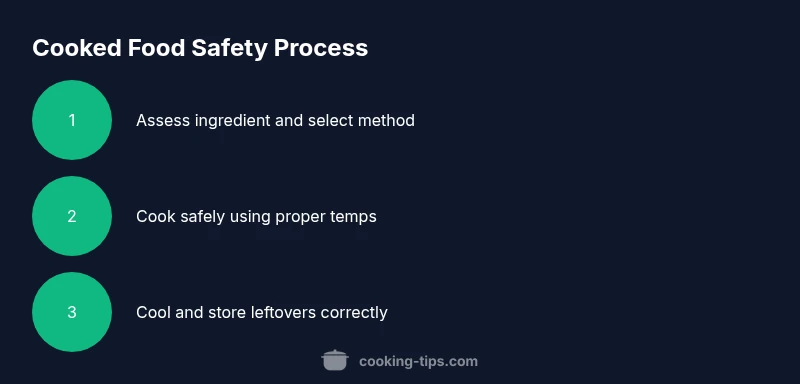
Doneness matters for safety and texture. Use a reliable thermometer and follow guidelines for your protein, poultry, fish, and vegetables. Look for signs like opaque color, firmness, and juices running clear rather than pink. For leftovers, cool promptly, refrigerate within two hours, and reheat to steaming hot. By focusing on safe temperatures and sensory cues, you minimize risk and maximize enjoyment. The goal is to read doneness as a spectrum, not a checkbox, so you can cook confidently in everyday meals.
Practical Tips to Maximize Nutrition in Everyday Cooking
Plan meals that balance raw and cooked components for texture and nutrient variety. Cut ingredients evenly to ensure uniform cooking and prevent overcooking fragile pieces. Use minimal water and shorter cooking times to preserve water-soluble vitamins. Save and re-use cooking water in soups and sauces to reclaim minerals. Choose quality fats for roasting or sautéing to aid nutrient absorption, and season with herbs and citrus to boost flavor without excess salt. With small adjustments, you’ll notice a meaningful difference in both taste and nutrition.
Special Considerations: Vegetables, Grains, and Proteins
Different categories respond differently to heat. Leafy greens like spinach lose folate with prolonged boiling but benefit from quick steaming. Root vegetables soften and develop sweetness when roasted, while retaining minerals better with moderate oil. Grains and legumes may require soaking or pre-cooking to improve digestibility and reduce cooking time. Proteins such as chicken, beef, or fish should be cooked to safe textures and temperatures, with a brief rest to allow juices to redistribute for optimal juiciness and flavor. This nuanced view helps answer is cooked bad or good with practical, ingredient-specific guidance.
Storage, Reheating, and Leftovers: Keeping Cooked Food Safe
Cooling and storage are as important as cooking. Refrigerate leftovers promptly in shallow containers to cool quickly and limit bacterial growth. Reheat foods to steaming hot and only heat what you will eat in one sitting. When in doubt, trust your senses: unusual odors, colors, or textures indicate potential spoilage. Proper labeling and planning reduce waste and support a reliable daily routine. Applying these practices reduces risk while preserving flavor and nutrition.
Quick-Reference Checklist for Everyday Cooking
Use this at-a-glance guide to keep cooked food safe and nutritious in daily meals:
- Always wash hands and surfaces before cooking to prevent cross-contamination.
- Use a reliable thermometer to verify doneness; never rely on color alone for all foods.
- Favor gentle cooking methods when possible to preserve nutrients; reserve high-heat steps for flavor development.
- Reheat leftovers to a safe temperature and consume within 3-4 days.
- Cool cooked foods quickly, then refrigerate in shallow containers to limit bacterial growth.
- Store portions in small containers to speed cooling and make future meals easier.
- Plan weekly menus that mix raw and cooked components for variety and nutrition.
- Label leftovers with date and contents to reduce waste and confusion.
This checklist translates the question is cooked bad or good into actionable steps you can apply every day.
Tools & Materials
- Food thermometer(Digital instant-read preferred)
- Measuring cups(For accurate portioning and hydration)
- Cutting board(Non-slip; separate boards for meat and produce preferred)
- Sharp chef's knife(8-10 inch blade for versatile prep)
- Heavy skillet or pan(Non-stick or stainless; even heat distribution)
- Stove or oven(Gas or electric; reliable heat source)
- Timer(Meet real-time cooking pacing)
- Reusable containers(For storing leftovers safely)
Steps
Estimated time: 60-90 minutes
- 1
Define cooking goal and method
Identify the dish you want to prepare and select a cooking method that preserves safety and flavor. Consider the texture you want and the nutrient retention you aim for. This clarifies the is cooked bad or good question from the start.
Tip: Choose a method that minimizes nutrient loss for the main ingredient. - 2
Gather ingredients and tools
Collect all ingredients and the essential tools before you start. Prepping in advance reduces stress and helps maintain even cooking. Having everything ready keeps you focused on food safety.
Tip: Lay out tools on a stable surface to speed up prep. - 3
Preheat equipment and prep items
Preheat pans or ovens to the appropriate temperature where required. Preheating helps achieve consistent doneness and avoids prolonged high-heat exposure that could degrade nutrients.
Tip: Use the thermometer early to verify target heat is reached. - 4
Cook to safe doneness
Cook foods according to their general safety cues and the internal color/texture you observe. Use a thermometer for accuracy and avoid relying solely on color, which can be misleading for some foods.
Tip: Check multiple pieces to ensure even cooking. - 5
Rest and assess texture
Let meat and other proteins rest briefly after cooking to redistribute juices and improve tenderness. Use sensory cues beside the thermometer to confirm doneness.
Tip: Rest times vary by protein; longer rests for larger cuts. - 6
Cool, store, and plan ahead
Cool leftovers quickly in shallow containers, then refrigerate. Label with date and contents to avoid waste and ensure safe reheating later.
Tip: Divide into meal-sized portions to simplify future prep.
Quick Answers
Is raw food always healthier than cooked food?
Not always. Some nutrients are more available when cooked, while others are better preserved raw. A balanced approach often yields the best overall nutrition and enjoyment.
Raw isn’t always healthier; cooking can unlock nutrients and improve safety. Balance raw and cooked foods for the best results.
Which foods should be cooked to prevent illness?
Poultry, eggs, and most meats should be cooked to safe final textures to minimize illness risk. Fish and shellfish also benefit from proper cooking. Always use a thermometer and follow general safety guidelines.
Cook poultry and meats to safe textures and temperatures, and use a thermometer to verify.
Does microwaving destroy nutrients?
Microwaving can preserve nutrients due to short cooking times when used correctly. It is not inherently unsafe and is a practical option for quick meals.
Microwave cooking preserves nutrients well when used properly.
Can I reheat leftovers multiple times?
It’s safest to reheat only once and consume leftovers promptly. Reheating multiple times increases the risk of bacterial growth and uneven heating.
Reheat once if possible and check for safe temperature.
What are warning signs leftovers have gone bad?
Unusual odors, color changes, or slimy textures indicate spoilage. When in doubt, discard to avoid foodborne illness.
If leftovers smell off or look strange, don’t risk it—discard.
Is burnt food dangerous to eat?
Small browned edges are generally safe for flavor, but heavily burnt portions may contain compounds you’d want to avoid. Trim or skip those parts.
Burnt parts should be avoided; trim them off.
Watch Video
Top Takeaways
- Cook with safety-first methods to preserve nutrients.
- Different foods respond differently to heat—tailor methods accordingly.
- Doneness is a blend of safety cues and sensory judgment.
- Proper storage and reheating protect both flavor and nutrition.