Ready to Cook Turkeys: A Complete How-To Guide
Learn how to thaw, season, roast, and carve a turkey safely for juicy results. This comprehensive guide covers temps, timing by weight, brining options, resting, and leftovers — perfect for home cooks aiming for reliable, delicious turkey dishes.


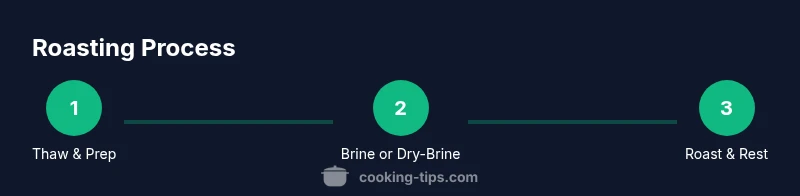
Ready to cook turkeys require thawing, brining or dry-brining, seasoning, and roasting to safe internal temperature, then resting. Key steps: thaw completely in the fridge (24 hours per 4-5 pounds), season and truss, roast at 325-375°F until a thermometer reads 165°F in the thickest part, then tent and rest 15-20 minutes.
Why ready to cook turkeys matter
Ready to cook turkeys are a centerpiece of many holiday meals, but they also make weeknight dinners possible with careful planning. The difference between a dry, overcooked bird and one that stays juicy is understanding timing, temperature, and safe handling. According to Cooking Tips, starting with a thawed turkey and a clear plan reduces last-minute stress and helps home cooks achieve consistent results. In this guide, you’ll learn how to thaw properly, choose the right size, season effectively, roast to the correct internal temperature, and rest before carving. By following practical steps, home cooks can deliver a reliable turkey that satisfies family and guests without guesswork.
First principles: safety and consistency matter more than flashy techniques. You’ll use a meat thermometer, a sturdy roasting pan, and a simple brine or dry-brine if you prefer extra moisture. If you’re new to roasting, start with a basic plan and add refinements as you gain experience. This foundation sets you up for success.
Selecting the right turkey
Choosing the right turkey starts with size guidance, bone-in vs boneless options, and whether you’ll stuff or roast unstuffed. For reliable results, buy a turkey closer to your dinner’s headcount and consider an extra loaf of bread stuffing to bake separately if you like the traditional “stuffed” look. A fresh turkey often cooks more evenly than a previously frozen one, but a properly thawed frozen turkey can perform equally well. Look for firm flesh, no off smells, and check the sell-by date. Cooking Tips recommends selecting a bird that fits your roasting plan and your oven capacity, ensuring even heat distribution and minimal spillage.
Fill the cavity loosely if you choose to stuff, but be aware that stuffing affects cooking time and doneness. If you prefer simplicity, roast unstuffed and bake stuffing separately in a covered dish. Regardless of choice, bring the turkey to room temperature for about 30 minutes before roasting to promote even cooking.
Thawing and handling safety
Thawing is a critical step that determines the final texture and safety of your turkey. Plan ahead: allow roughly 24 hours of thawing in the refrigerator for every 4-5 pounds of bird. If you’re short on time, submerge the turkey in cold water, changing the water every 30 minutes to maintain a safe temperature; this method speeds up thawing but requires more attention. Never thaw at room temperature, which invites dangerous bacterial growth. Once thawed, remove giblets and neck, rinse quickly if you prefer, and pat dry with paper towels to promote browning. Always wash hands, utensils, and surfaces that contact raw poultry to prevent cross-contamination.
Brining vs dry brining
Brining involves soaking the turkey in a saltwater solution to increase moisture retention during roasting. Dry brining uses salt on the skin and cavity to season and draw moisture to the surface, helping crisp the skin. Both methods can improve juiciness; your choice depends on time, texture preferences, and dietary considerations. If you brine, keep the bird refrigerated throughout the process and rinse (lightly) if needed before roasting to avoid overly salty meat. Dry brining is simpler and tends to produce a crispier skin, especially when you start with a dry surface before roasting.
Seasoning strategies
Seasoning is where you can personalize flavor. A simple approach is to rub softened butter or olive oil over the skin, then sprinkle salt, pepper, and your favorite aromatics such as garlic powder, thyme, and paprika. For extra aroma, place citrus slices or fresh herbs in the cavity. Be mindful not to over-season, which can overwhelm natural turkey flavors. If you’ve brined, you’ll adjust salt to taste to avoid an over-salted finish. The goal is a uniform, savory crust that complements the meat without masking its natural flavor.
Oven roasting basics
Roasting is the heart of the process. Preheat your oven to a moderate temperature that promotes even browning, typically around 325-375°F depending on your recipe and turkey size. Position the rack so the breast rests comfortably in the center of the oven. Use a roasting pan with a rack to elevate the bird and help fats drip away for crisper skin. A rule of thumb is to start with high heat for the first 15-20 minutes to jump-start browning, then reduce heat to finish cooking, ensuring the center reaches safe doneness in the thigh without drying out the white meat.
Timings by weight and technique
Cooking times vary by weight and whether you stuff the turkey. The most reliable method is to rely on an instant-read thermometer rather than timer-based estimates. Insert the thermometer into the thickest part of the thigh without touching bone to monitor doneness. When the internal temperature hits 165°F in the thigh (and 160-165°F in the breast, depending on preference), the bird is ready. If you used brine or dry brine, you may see faster or slower progress, so check early and often in the final stage.
A common approach is to plan roughly 13-15 minutes per pound for unstuffed birds at 350°F; however, temperatures and birds vary, so thermometer checks trump time alone. Rest and carryover cooking also push final temperature upward slightly after removal from the oven.
Using roasting vessels and pan setup
A good roasting vessel helps distribute heat evenly and supports safe handling. A shallow, wide roasting pan with a robust rack allows air to circulate around the turkey, promoting even browning and reducing pooling of juices. If you lack a rack, construct a makeshift one with sliced onions or carrot rings to elevate the bird. For a very large turkey or to add depth of flavor, you can use a Dutch oven or a heavy cast-iron pot with a lid, but ensure you can fit the bird and that the vessel conducts heat evenly. Monitor heat levels to avoid scorching the skin.
Resting and carving for juiciness
Resting is where juices redistribute, yielding a moister finish. Tent the turkey loosely with foil and let it rest for 15-20 minutes before carving. Use a sharp carving knife to portion thighs, drums, and breast, and slice across the grain for tender cuts. Keep the carved meat warm on a platter with a light cover if needed. Reserve pan drippings for gravy to finish the plate with a cohesive, savory sauce that complements the turkey’s natural flavors.
Common issues and fixes
If you encounter dry breast meat, check doneness earlier with a thermometer and finish the cook sooner to reduce risk of overcooking. Under-seasoned birds often taste bland, so adjust salt and aromatics in future roasts. If the skin isn’t browning, raise the oven temperature for the last 10-15 minutes or baste with pan juices; avoid excessive moisture, which can inhibit browning. If the turkey releases a lot of juices, skim excess fat before making gravy, and consider a longer resting period to help juices settle.
Planning sides and timing
Coordinate side dishes so they finish near the turkey’s resting window. Plan roasted vegetables, mashed potatoes, or stuffing to go in or come out of the oven in the same time frame. Remember that ovens can bake multiple items, but you may need to stagger temperatures or use alternative cooking surfaces (stovetop or grill) to prevent crowding. A well-timed, balanced menu reduces last-minute stress and helps ensure everything comes together at serving temperature.
Leftovers safety and reuse ideas
Proper handling of leftovers is essential. Chill leftovers promptly in shallow containers to cool quickly, then store in the refrigerator within two hours. Reheat safely to 165°F and consider transforming leftovers into soups, casseroles, or sandwiches for extended enjoyment. Label and date containers to keep track of freshness and minimize waste. Bringing a portion of the leftover turkey into a new dish is a practical way to stretch a meal without sacrificing flavor.
],
toolsMaterials
stepsawie
2026-03-29
stepByStep
tip
The step-by-step section will be provided below in the dedicated field.
Tools & Materials
- Instant-read meat thermometer(To verify 165°F in the thickest part of the thigh/breast.)
- Roasting pan with rack(Elevates turkey for even heat and browning.)
- Aluminum foil(Tent turkey during resting to keep juices in.)
- Carving knife(Sharp blade for clean slices.)
- Kitchen twine(For basic trussing if desired.)
- Basting brush(Optional for applying butter or pan juices.)
- Oven mitts(Heat-resistant protection for handling hot cookware.)
- Meat thermometer probe(Useful for wireless monitoring if available.)
Steps
Estimated time: 3-4 hours total including resting
- 1
Assess turkey size and plan
Choose the right bird for your crowd and oven space. Calculate the number of pounds needed to feed everyone with safe leftovers. Gather tools and confirm you can fit the turkey in your roasting vessel. This initial planning prevents last-minute delays and ensures smoother cooking.
Tip: Have a clear plan before you start; write down your timeline and check oven availability. - 2
Thaw completely
Plan ahead to thaw in the refrigerator for 24 hours per 4-5 pounds. If you’re in a pinch, use cold-water thawing with hourly water changes. Never thaw at room temperature. Remove giblets and neck before thawing completes to speed even cooking.
Tip: Place the turkey in a tray or pan to catch drips and prevent cross-contamination. - 3
Prep and pat dry
Pat the turkey dry with paper towels to promote browning. Remove any excess skin or blemishes, and lightly loosen the skin over the breast to create space for seasonings. This step improves texture and allows seasonings to penetrate.
Tip: Dry skin is key to achieving crisp, golden browning. - 4
Brine or dry-brine (optional)
Choose between a wet brine or a dry brine based on time and taste preferences. If wet brining, rinse and pat dry after brining to avoid soggy skin. For dry brine, rub salt and aromatics over the skin and let rest in the fridge.
Tip: If you brine, taste for salt level to avoid an overly salty final product. - 5
Season and stuff (optional)
Season the skin with salt and aromatics. If you choose to stuff, leave space for air to circulate; but know it will extend cooking time and require thermometer checks. Consider stuffing the cavity with citrus, herbs, or onion for aroma.
Tip: Stuffing increases cooking time; monitor internal temperatures carefully. - 6
Roast and monitor
Roast at 325-375°F, beginning with browning steps if desired. Insert the thermometer into the thickest part of the thigh without touching bone. Rotate the pan halfway for even browning.
Tip: Keep the oven door closed as much as possible to maintain steady heat. - 7
Rest before carving
Once the thermometer hits 165°F in the thigh, remove the turkey from the oven and tent loosely with foil. Rest for 15-20 minutes to allow juices to redistribute, ensuring moist slices.
Tip: Resting reduces runny juices and helps carve cleanly. - 8
Carve and serve
Carve to reveal even slices across the breast and legs. Arrange on a warm platter with a little pan sauce or melted butter. Slice against the grain for tenderness and present with your chosen sides.
Tip: Slice with a sharp knife and serve promptly for best texture.
Quick Answers
Can I cook a turkey from frozen?
Cooking a frozen turkey is not recommended because the outside can overcook before the interior reaches a safe temperature. Safer practice is to thaw first using fridge or cold-water methods.
Avoid cooking from frozen; thaw completely first for even cooking.
How do I know when the turkey is done besides the thermometer?
Besides a thermometer, the meat should be no longer pink and juices should run clear when cut in the thickest part. The legs should move freely when gently bent.
Check that the juices run clear and the thigh moves easily.
Should I stuff the turkey?
Stuffing a turkey is optional but can increase the risk of uneven cooking. If you do stuff, ensure proper stuffing density and higher cooking time. Many home cooks prefer baked stuffing separately.
Stuffing is optional; consider baking stuffing separately for safety.
What is the best temperature to roast a turkey?
A moderate oven temperature around 325-375°F is common. Start with a higher heat for browning, then lower to finish cooking, always relying on a thermometer for accuracy.
Aim for 325-375°F and monitor with a thermometer.
How long should I thaw a large turkey?
Plan about 24 hours of fridge thawing per 4-5 pounds. If you rush, cold-water thawing can speed things up but needs closer supervision.
Estimate about a day per 4-5 pounds in the fridge.
Can I reuse pan drippings for gravy?
Yes, pan drippings are ideal for gravy; skim excess fat and simmer with stock. Add flour or cornstarch to achieve desired thickness.
Pan drippings make tasty gravy with proper thickening.
Watch Video
Top Takeaways
- Thaw completely before roasting
- Roast to 165°F in the thickest part
- Rest 15-20 minutes before carving
- Use a thermometer to verify doneness
- Plan sides to align with roast timing