How to Cook Turkey: A Reliable Guide for Home Cooks
Learn how to cook turkey with a practical, step-by-step approach for juicy, safe results. From thawing and seasoning to roasting temps and resting, this guide helps home cooks master turkey for holidays and Sunday dinners.


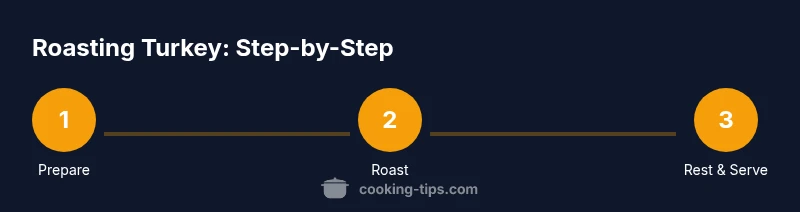
You will learn how to cook a turkey that’s juicy and safely roasted. Start with proper thawing (if needed), pat dry, season generously, and roast at the right temperature until a thermometer reads 165°F in the thickest part. Rest for 20 minutes before carving. This guide covers temps, timings, and common pitfalls to avoid.
Turkey cooking: overview and safety
Cooking a turkey is a timeless centerpiece, and getting it right is a mix of technique, timing, and safe handling. Whether you're preparing a holiday feast or a Sunday roast, a well-roasted turkey delights every table. Achieving juicy meat and crisp skin starts with planning and safe steps. According to Cooking Tips, the simplest path to success is to start with a fully thawed bird, pat it dry, season generously, and cook with a thermometer rather than relying on time alone. By aiming for 165°F in the thickest part of breast or thigh and letting the meat rest before carving, you prevent dryness and ensure tender slices. This approach minimizes guesswork and helps home cooks produce reliable results, even on busy weeknights or crowded holidays.
Tools, equipment, and prep basics
Before you begin, assemble a few essential tools. A sturdy roasting pan with a rack ensures even heat exposure and prevents steaming. A digital instant-read thermometer or probe thermometer gives accurate doneness readings. Paper towels are indispensable for pat-drying the turkey and blotting any moisture from the skin. A basting brush or bulb baster helps apply fats or aromatics during roasting, if you choose to baste. An oven-safe meat thermometer allows you to track internal temperature without opening the door constantly. Aluminum foil is helpful for tenting if the skin browns too quickly. Finally, a sharp carving knife and a carving board make serving neat slices. Having these tools at hand keeps the cooking process smooth and reduces last-minute scrambling.
Selecting a turkey and safe thawing
Choose a turkey size that fits your meal plan and oven capacity; many home cooks roast a 12–16 pound bird for a family of 6–8. If frozen, plan for safe thawing in the refrigerator for several days, depending on weight, or use a cold-water method if time is tight (change water every 30 minutes). Pat the turkey dry inside and out to promote even browning. Remove giblets and neck, reserving any bones for stock if desired. Brining is optional: a simple wet or dry brine can improve moisture but adds time; skip if you prefer a leaner approach. Finally, season generously with salt, pepper, and aromatics such as garlic, herbs, and citrus zest to flavor the meat from the outside in.
Flavor options: brines, rubs, and aromatics
Brines, rubs, and aromatics amplify flavor. A wet brine soaks the turkey in a salted liquid to help moisture retention; a dry brine coats the skin with salt and spices. Herbs like thyme, rosemary, and sage, citrus peels, garlic, peppercorns, and butter or olive oil create aroma and browning. When applying aromatics, tuck butter under the skin to baste the meat from within, or simply rub a flavorful paste on the skin. The choice between brine, dry rub, or simple seasoning depends on time, texture preferences, and dietary needs. For a lightly seasoned bird, salt and pepper with a brush of olive oil can yield great results; for richer flavor, a brown butter baste added at intervals can help.
Temperature, doneness, and timing strategy
Temperature control is the backbone of perfect turkey. Start by preheating oven to a moderate temperature to allow even browning. Use a thermometer to track internal temperature: aim for 165°F in the thickest part of breast or thigh. If you prefer crisper skin, start hot and finish lower. Tent with foil if the skin browns too quickly; avoid frequent door openings to maintain oven heat. For even doneness, rotate the pan halfway through roasting if your oven has hot spots. Let the turkey rest after removing from heat; the residual heat will continue to cook slightly and redistribute juices to keep meat moist.
Roasting methods: oven, convection, and alternative methods
Most home cooks roast in a conventional oven using a rack to elevate the bird. Convection roast can speed cooking and improve browning, but may dry out meat if not watched; reduce temperature by about 25°F when using convection. You can also roast a turkey in a covered Dutch oven or use a spatchcock method (butterflying the bird) for faster, more even cooking. Stuffing inside the cavity is discouraged for safety reasons; cook stuffing separately to avoid bacterial growth. Regardless of method, always use an internal thermometer to verify doneness. When using a bag or foil to cover, remove near the end to let skin crisp.
Resting, carving, and serving for best results
Resting is essential for juice redistribution; tent the turkey loosely with foil and let rest 20-30 minutes before carving. Carve across the grain into slices to maximize tenderness. Slice breast meat against the grain; thigh meat can be chunked or sliced. For a complete plate, pair with sides and a pan gravy; use roasting pan drippings to make a quick gravy while the meat rests.
Authority sources and further reading
To support the guidance in this article, refer to reputable safety and cooking resources. The United States Department of Agriculture's Food Safety and Inspection Service provides official safety guidelines for cooking turkey, including temperatures and safe handling practices. The Centers for Disease Control and Prevention offers food safety tips for avoiding contamination. For an additional practical guide, many major publications offer tested roasting methods and flavor ideas. The Cooking Tips team recommends consulting these sources and using a thermometer for consistent results.
Tools & Materials
- Roasting pan with rack(Large enough to fit your turkey with space for air circulation)
- Digital meat thermometer(Prefer a probe thermometer for real-time readings)
- Oven-safe carving knife(Sharp blade for clean slices)
- Paper towels(For pat-drying and handling)
- Aluminum foil(For tenting if browning too quickly)
- Basting brush or bulb baster(Optional for applying fats or aromatics)
- Oven mitts(Heat-resistant and well-fitted)
- Measuring spoons and bowls(For dry rub or brine prep)
Steps
Estimated time: Total time varies by weight; typical home roasts range from about 2.5 to 4.5 hours depending on size and oven efficiency.
- 1
Thaw and prep
If the turkey is frozen, plan for a safe thaw in the refrigerator until the bird is fully defrosted. Remove giblets and neck, then pat the cavity and exterior dry with paper towels. This step reduces steam and ensures even browning during roasting.
Tip: Thawing in the fridge promotes safety and texture; avoid thawing at room temperature. - 2
Dry and season boundary
Pat the skin dry and apply an even layer of salt and your preferred seasonings. If you like, tuck softened butter or olive oil under the skin for better browning and moisture.
Tip: Loosen the skin carefully to create pockets for butter or seasoning without tearing. - 3
Decide on brine or dry rub
Choose between a brine for extra moisture or a straightforward dry rub for simplicity. If you brine, follow a tested recipe and time; if dry rubbing, combine herbs and salt and rub onto skin.
Tip: Brine adds moisture but requires planning; dry rub is quicker and forgiving. - 4
Preheat and position
Preheat the oven to a moderate temperature and place the turkey on a rack in a roasting pan. This setup promotes air circulation for even cooking and browning.
Tip: Position the rack so the bird sits evenly and the breast is not touching the pan surface directly. - 5
Insert thermometer and start roasting
Insert the thermometer into the thickest part of the breast or thigh without touching bone. Place the pan in the oven and begin roasting, monitoring temperature as it rises.
Tip: Avoid touching bone with the thermometer to prevent a false high reading. - 6
Monitor and rotate
Check the turkey midway and rotate the pan if your oven has hot spots. Do not open the oven door repeatedly; each opening drops the temperature and lengthens cooking time.
Tip: Rotating helps ensure even browning across the bird. - 7
Baste or skip
If you baste, do so sparingly to avoid washing away browning fats. For breast-crisp skin, rely on the skin’s natural fat and a brief final high-heat burst if needed.
Tip: Basting is optional; it can increase browning but is not essential for juiciness. - 8
Finish and tent
When the thermometer reads 165°F in the thickest part, remove the turkey from heat. If the skin browns too quickly, tent loosely with foil to prevent burning while the interior finishes.
Tip: Don’t overcook; residual heat will carry the turkey past 165°F slightly. - 9
Rest and carve
Let the turkey rest for 20–30 minutes before carving to redistribute juices. Carve breast slices against the grain and serve with sides and gravy.
Tip: Resting improves juiciness and makes carving cleaner.
Quick Answers
What is the safe internal temperature for cooked turkey?
The safe internal temperature for cooked turkey is 165°F in the thickest part of the breast or thigh, verified with a thermometer.
Cook the turkey to 165 degrees in the thickest part with a thermometer.
Is it better to baste the turkey while roasting?
Basting is optional. It can help with browning, but it also cools the bird when you open the oven. Rely on proper fat and heat for browning.
Basting is optional but can help with browning; avoid opening the oven too often.
Should you stuff the turkey?
Stuffing the turkey increases the risk of an undercooked center. It's safer to cook stuffing separately and cook the turkey based on meat temperature.
Don't stuff the turkey; cook stuffing separately and rely on a thermometer for doneness.
Can I cook a frozen turkey?
Roasting from frozen is possible but requires more time and careful cooking. Thawing before roasting is generally recommended for even cooking.
You can cook from frozen, but thawing first is usually best for even cooking.
How long should the turkey rest after cooking?
Rest the turkey for 20–30 minutes after roasting to redistribute juices and improve carving.
Rest the turkey for about 20 to 30 minutes before carving.
What equipment helps ensure juicy results?
A reliable meat thermometer, a sturdy rack and pan, and minimal oven door openings help ensure juicy, evenly cooked turkey.
Use a thermometer, a rack, and keep the oven door mostly closed.
Top Takeaways
- Thaw safely and pat dry before roasting
- Verify doneness with a thermometer (165°F)
- Rest 20–30 minutes before carving
- Choose brine or rubs based on time and preference