How to Cook a Turkey in the Oven: A Complete Step-by-Step Guide
Learn a reliable method to roast a juicy, evenly cooked turkey in the oven with practical prep, safe temperatures, and expert tips for perfect results.


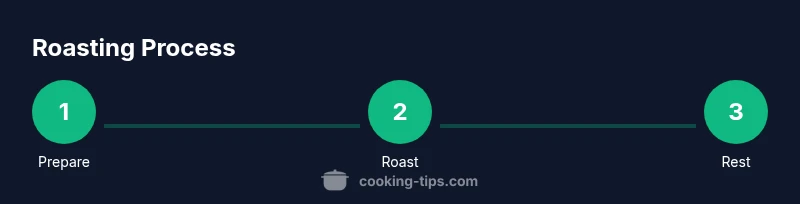
Learn how to cook a turkey in the oven: thaw if needed, season under the skin, roast on a rack until the internal temperature reaches 165°F, and let it rest before carving. Start with a preheated oven at 325–350°F, use a reliable thermometer, and keep the bird loosely tented with foil if it browns too quickly.
Preparing the turkey for oven cooking
If you're wondering how to cook a turkey in the oven, start with thawing properly, patting dry, and loosening the skin to help seasoning penetrate. A dry surface promotes browning and a crisp skin when fat is applied. According to Cooking Tips, drying the skin well and applying a light coat of fat is key to a luscious, evenly browned crust. Choose a bird that fits your pan and guest count; many gatherings use a 12- to 14-pound turkey for standard roasting pans. Remove giblets and the neck from the cavity, rinse briefly if needed, and pat dry again. Tuck wing tips under the bird or secure with kitchen twine to prevent scorching during roasting. If you plan to brine, do it before seasoning, and always pat dry after brining to resume crisp skin. Finally, let the turkey rest at room temperature for 30-60 minutes before roasting to support even cooking.
Thawing and brining options
Safe thawing is essential for even cooking. In the fridge, plan roughly 24 hours for every 4-5 pounds; never thaw at room temperature. If you’re short on time, you can use the cold-water method, changing the water every 30 minutes. Brining is optional but can boost juiciness and flavor: a dry brine (salt with herbs) applied 24–48 hours ahead helps crisp skin, while a wet brine hydrates the meat more deeply. After brining, pat dry thoroughly before rubbing with oil or butter and applying the spice mix. If you skip brining, still season generously and apply a light coat of fat under the skin for moisture. Brine time varies with method and weight; always refrigerate and follow safe handling practices.
Seasoning and under-skin technique
Seasoning is more than salt and pepper. Gently lift the skin from the breast to create a pocket. Slide softened butter or olive oil with minced herbs under the skin; this fat helps carry flavor and improves browning. Finish with a balanced rub on the outside using salt, pepper, garlic, paprika, thyme, and lemon zest. For best results, pat the skin dry before applying the fat, and avoid wet glazes until the final roasting phase. Tie the legs together to promote even cooking and reduce drying at the tips. When using herbs, a small amount under the skin concentrates aroma where it matters most.
Roasting setup and oven temperatures
Preheat the oven to 325–350°F (165–175°C). Place a rack in a roasting pan to lift the turkey off its juices and promote even heating around the skin. Position the bird breast side up and loosely tent with foil if browning too quickly in the first half of roasting. Ensure the oven has stable temperature and try not to open the door frequently, which can extend cooking time. If you’re roasting a stuffed bird, expect a longer cook time and verify both the meat and the stuffing reach 165°F. A dry, single-pan roasting plan with room for air circulation yields the most consistent skin and meat texture.
Monitoring doneness with a meat thermometer
The most reliable doneness check is an instant-read thermometer. Insert into the thickest part of the thigh without hitting bone; the breast should approach 165°F and the thigh about 175°F for safe, juicy meat. If the turkey is stuffed, check the center of the stuffing as well. Relying on color or jiggle alone isn’t safe. If you’re close to finishing and the skin darkens too much, loosely tent with foil to prevent over-browning while the interior finishes. Resist the urge to overcook, which dries the meat.
Resting, carving, and serving
After roasting, transfer the turkey to a cutting board and tent loosely with foil for 20–30 minutes. Resting lets juices redistribute, making carving cleaner and slices juicier. Carve along the natural grain with a sharp knife, starting with the legs and then the breast. Serve with simple sides that complement the turkey’s flavor, and spoon any pan juices over the sliced meat for added moisture. For an extra touch, present carved slices on a warmed platter to keep the meal inviting.
Common mistakes and how to avoid them
Avoid common pitfalls like starting with a partially frozen bird or ignoring thermometer cues. Opening the oven door too often causes heat loss and uneven cooking. Stuffing the cavity extensively can lengthen cook time and raise safety concerns—consider cooking stuffing separately. Don’t baste excessively; while it adds moisture, it can hinder browning if done too often. Finally, don’t skip resting; cutting too soon leads to dry slices. Learning to pace your heat and timing makes a substantial difference.
Variations: herb butter, dry brine, and flavor rubs
Experiment with a herb butter under the skin for richer juiciness and aroma, or try a dry brine with kosher salt and herbs up to 48 hours ahead. A warm spice rub with garlic, sage, and orange zest adds complexity without heavy sauces. If you want lighter browning, you can brush with a thin layer of melted butter during the last 15–20 minutes of roasting. Each variation requires slight timing adjustments and an internal temperature check to ensure safety.
Side dish coordination and timing
Coordinate oven space between the turkey and side dishes by prioritizing components that stay warm well or can be finished on the stovetop. Plan vegetables that can share oven time with the turkey, like roasted carrots or Brussels sprouts, and prepare starch sides (mashed potatoes, stuffing) nearby. Consider starting sides during the final hour so everything arrives hot together. A simple, bright cranberry relish or a citrusy glaze can balance rich turkey fat and cut through heaviness.
Food safety and leftovers
Store leftovers promptly after resting, within two hours of cooking. Cool turkeys rapidly, then refrigerate in shallow containers for up to four days; freeze for longer storage. Reheat leftovers to at least 165°F before serving. When planning future meals, portion the meat before freezing and label containers with dates for easy rotation.
Tools & Materials
- Turkey (unfrozen, 12–14 lb typical)(Unstuffed recommended for even cooking)
- Roasting pan with rack(Elevates turkey for even heat circulation)
- Instant-read meat thermometer(Check thigh and breast temperatures accurately)
- Aluminum foil(Loosely tent to prevent over-browning)
- Kitchen twine(Tie legs for even cooking and shape)
- Basting brush or bulb baster(Optional for moisture; not essential)
- Butter or olive oil(For under-skin fat and skin coat)
- Kosher salt and freshly ground pepper(For seasoning)
- Fresh herbs (thyme, rosemary)(For aroma under skin or rub)
- Onion, carrot, celery (mirepoix)(Aromatic bed under rack)
- Carving knife and cutting board(For serving)
Steps
Estimated time: Estimated total time: 3 hours 15 minutes
- 1
Prepare the turkey
Remove giblets and neck; pat dry thoroughly. If thawing, ensure it’s fully thawed before any handling. Bring the turkey to room temperature for 30-60 minutes to promote even roasting.
Tip: Dry skin helps achieve a crisp finish. - 2
Season under the skin and outside
Lift the breast skin gently and spread softened butter or olive oil with herbs underneath. Season the exterior generously with salt and pepper, then rub any remaining fat over the skin.
Tip: Under-skin fat carries moisture into the meat during roasting. - 3
Preheat oven and position rack
Set oven to 325–350°F and place a rack in the center of your roasting pan. Allow the oven to fully come to temperature before loading the bird.
Tip: A steady oven temperature yields even color and doneness. - 4
Roast on rack breast-side up
Place the turkey on the rack, breast up, and roast. Loosely tent with foil if the skin browns too quickly in the first half of roasting.
Tip: Raising the bird on a rack improves air circulation for even browning. - 5
Monitor temperature during roasting
Use an instant-read thermometer to check the thickest parts. Target 165°F in the breast and 175°F in the thigh; adjust if stuffed.
Tip: Thermometer accuracy beats time estimates. - 6
Tent and finish cooking
If the skin darkens early, tent with foil and finish in the oven until desired temperature. Avoid opening the oven door repeatedly.
Tip: Covering mid-roast preserves heat and prevents over-browning. - 7
Rest the turkey
Let the turkey rest loosely tented with foil for 20–30 minutes after removal. Resting redistributes juices for juicy slices.
Tip: Resting makes carving cleaner and meat less stringy. - 8
Carve and serve
Carve along the grain; slice breast thinly and separate dark meat. Spoon pan juices over slices or whisk into gravy.
Tip: A sharp knife and proper slicing angle speed up service. - 9
Store leftovers safely
Cool leftovers quickly and refrigerate in shallow containers within two hours. Freeze for longer storage if desired.
Tip: Label dates and reheat to 165°F when serving again.
Quick Answers
What is the recommended internal temperature for a fully cooked turkey?
The safe internal temperature is 165°F (74°C) in the breast; the thigh should reach around 175°F (79°C). Use a thermometer to confirm.
Check the breast to reach 165 and the thigh to about 175, using a thermometer for accuracy.
Can I roast a stuffed turkey, and does it take longer?
Yes, you can roast a stuffed turkey, but it will require a longer cooking time and careful thermometer checks of both the meat and stuffing. Ensure the stuffing center hits 165°F.
You can roast a stuffed bird, but expect longer cooking and check the center of the stuffing too.
Should I baste the turkey during roasting?
Basting is optional. It can help with surface moisture, but it’s not essential for safety and can interrupt browning if done too often.
Basting isn’t necessary for safety, but you can baste occasionally to control moisture and color.
What if the turkey browns too fast?
Loosely tent with foil and reduce oven temperature slightly if needed. You can finish cooking with the tent in place.
If it browns too fast, cover loosely with foil and let it finish cooking more slowly.
Is dry brining better than wet brining for home cooks?
Dry brining is simpler and can yield crisp skin with strong flavor; wet brining hydrates the meat but requires more space and time.
Dry brining is easier and great for crispy skin; wet brining adds moisture but takes more effort.
Can I use a convection oven for this recipe?
Convection can reduce roasting time and improve browning, but you may need to adjust the temperature down 25°F (15°C).
Yes, convection works well; just lower the temperature a bit to prevent over-browning.
Watch Video
Top Takeaways
- Season under the skin for moisture and flavor
- Use a thermometer, not time alone, to judge doneness
- Rest 20-30 minutes before carving for juicier slices
- Tent with foil if browning too quickly
- refrigerate leftovers promptly to ensure safety