What to Cook Lamb To: Doneness Guide & Steps for Home Cooks
Practical guide to cooking lamb to the right doneness with temps, searing, oven finishing, and resting for juicy, reliable results.


According to Cooking Tips, you're aiming to cook lamb to the right doneness by using a thermometer and choosing the appropriate cut. For many cuts, target medium-rare at 135°F (57°C) or medium at 145°F (63°C), with well-done around 160°F (71°C). Sear first, finish in a hot oven, and rest before slicing for juicy, evenly cooked meat.
Understanding What 'what to cook lamb to' Means
Cooking lamb to the right level of doneness means more than hitting a temperature. It means understanding how different cuts respond to heat and how resting seals in juices. In daily cooking, the phrase 'what to cook lamb to' typically leads home cooks to decide on a target internal temperature based on the cut and their preferred texture. The Cooking Tips team suggests starting with a plan: pick a cut that matches your timeline, determine your target doneness, then choose a method that reliably reaches that temperature. Lamb shoulders and shanks are forgiving in braises; loin chops and racks are ideal for quick sears and oven finishing. The interplay of fat, muscle, and bone influences heat transfer, so thickness matters more than clock time. A thermometer becomes your best ally; it removes guesswork and reduces overcooking. You’ll see that well-done lamb is not simply dry; by properly heating through and letting it rest, you preserve flavor and moisture. In practice, think of doneness as a spectrum rather than a fixed moment. This guide will translate that spectrum into practical steps you can apply in your kitchen. The Cooking Tips team found that planning around doneness helps home cooks avoid overcooking and under-seasoning.
Choose the Right Cut for Doneness
Lamb comes in several popular forms, each with its own ideal approach to doneness. A chop or rack cooks quickly and benefits from a shorter finish in the oven to preserve juiciness, while a leg roast or shoulder piece benefits from a longer roasting time at a controlled temperature. Thickness matters more than clock time, so always measure rather than guess. For the home cook, an easy rule is to pair rapid-cooking cuts with a lower finish temperature (medium-rare to medium) and tougher cuts with braising or long roasts that reach safe, tender doneness. The Cooking Tips analysis shows that cooks who plan around cut size and resting regain moisture and texture better than those who chase a specific minute-count. Keep your eyes on the thermometer, not the clock, and you’ll reduce overcooking while maintaining flavor. Ready-to-eat lamb should have a warm center with a gentle pink or rosy hue depending on the cut and your preference.
Temperature Targets: Doneness Levels for Lamb
Lamb doneness is best defined by temperature, not time. Here are practical targets you can trust:
- 135°F (57°C) – medium-rare: juicy, slightly pink center; ideal for center-cut chops and loin roasts that are not too thick. Resting will carry juices to the surface without drying the meat.
- 145°F (63°C) – medium: firmer texture with a pink center; common for leg portions or thicker chops. This level balances tenderness with a robust lamb flavor.
- 160°F (71°C) – well-done: fully cooked through with a firm bite; use for braised shoulders or when serving a crowd that prefers no pink. Resting helps retain moisture inside the fibers.
- Some cooks choose 150–155°F (66–68°C) as a personal medium-well target for certain cuts; always consult your thermometer and desired texture. The key is to avoid overcooking and to let the meat rest so juices redistribute evenly.
Remember to account for carryover cooking: the internal temperature can rise 5–10°F (3–6°C) after removal from heat. The goal is a precise finish at the desired doneness through careful timing and temperature control.
Methods to Reach Perfect Doneness
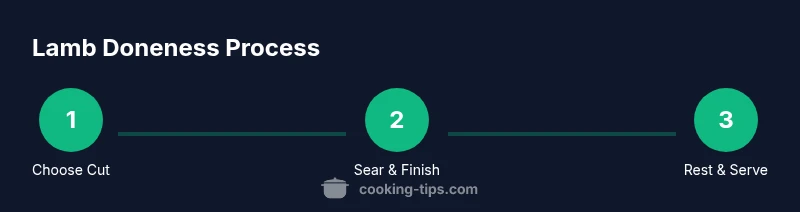
To achieve consistent lamb doneness, combine searing with a controlled finish. Start with a quick, high-heat sear to develop a brown crust that locks in flavor. Move the meat to a hot, oven-safe pan or roasting method and finish at the target temperature using a meat thermometer. Resting is essential: tent loosely with foil for 5–10 minutes, allowing juices to redistribute. For very thick cuts, consider starting at a lower oven temperature and finishing with a brief sear to re-crisp the crust. If you’re cooking shoulder or braised cuts, the heat should be gentler, and the meat will reach doneness gradually during braising. This method ensures tenderness without sacrificing depth of flavor. The Cooking Tips team emphasizes thermometer-guided cooking to minimize guesswork and maximize texture and juiciness.
Flavor Boosters and Pairings
Herbs like rosemary, thyme, and garlic complement lamb’s natural sweetness. A simple rub of olive oil, salt, pepper, and chopped fresh herbs provides a clean, resonant flavor base. For faster results, marinate briefly with lemon juice and olive oil; for longer cooks, a hearty dry rub develops a robust crust. Pair lamb with roasted vegetables such as potatoes, carrots, and asparagus, or a bright herb chimichurri to cut through richness. A wine pairing of medium-bodied reds like Grenache or Shiraz can elevate the dish, while a robust mint salsa or yogurt-based sauce offers classic balance. Cooking Tips’ practical guidance suggests tasting components mid-way to adjust salt and acidity, ensuring the final dish stays harmonious with your chosen doneness.
Common Mistakes and Solutions
Overcooking is the most common issue when cooking lamb. Always use a thermometer and account for carryover heat. Avoid starting in a cold pan; preheat adequately to create a strong crust first. Cutting into meat too soon releases juices and dries the interior; rest is non-negotiable. If using a braise, ensure your liquid covers the meat sufficiently and maintain a steady simmer instead of a rolling boil. A lack of seasoning can also hide lamb’s natural flavor—season generously and taste as you go. With tougher cuts, consider longer cooking times at lower temperatures to promote tenderness and moisture retention.
Practical Dishes You Can Make This Week
If you’re aiming for weeknight practicality, consider quick-searing a lamb chop and finishing with a short roast to your preferred doneness. A boneless leg roast can feed a crowd with a simple herb crust and a 20–30 minute finish per pound after searing. For slower meals, lamb shank braises become incredibly tender with a 2–3 hour braise in wine and stock. Leftover lamb can be repurposed into stews or wraps, preserving flavor while stretching your plan. The goal is flexible, repeatable methods that translate into reliable doneness every time.
Safety, Handling, and Storage
Always thaw meat safely in the refrigerator or under cold running water, never at room temperature. Clean surfaces and utensils after contact with raw lamb to prevent cross-contamination. Use a thermometer to confirm doneness and promptly refrigerate any leftovers within 2 hours of cooking. When storing, place meat in shallow containers and use within 3–4 days, or freeze for longer preservation. This practice minimizes food safety risks while preserving texture and flavor.
Putting It All Together: A Sample Lamb Dinner Plan
Plan a two-hour dinner that lets you test doneness confidently. Start by selecting a leg roast or rack of lamb; bring to room temperature. Preheat the oven and prepare a simple herb crust. Sear the meat to build flavor, then finish in the oven to your target temperature. Rest, slice, and serve with roasted potatoes and a green bean salad. By following a thermometer-centered approach, you’ll achieve consistent results for every guest.
Tools & Materials
- Instant-read meat thermometer(Digital preferred for quick, accurate readings)
- Sharp chef’s knife(For clean portions and precise trimming)
- Cutting board(Stable surface; non-slip preferred)
- Cast-iron skillet or oven-safe pan(Seals in flavor with a good crust)
- Roasting rack (if roasting)(Promotes even heat under the meat)
- Tongs(Gentle handling to avoid tearing meat fibers)
- Aluminum foil(Resting tent to retain juices)
- Basting brush (optional)(For applying oil/herb mix)
- Oven or grill(Needed to finish to doneness)
Steps
Estimated time: 1 hour 20 minutes
- 1
Choose the cut & bring to room temperature
Select the cut based on your timeline: chops or racks for quick meals, leg roast or shoulder for longer cooks. Remove from fridge 30–60 minutes before cooking to promote even cooking and easier temperature control.
Tip: Room-temp meat heats more evenly, reducing cold spots that cause under-doneness in the center. - 2
Season generously
Pat meat dry, then season with salt, pepper, and herbs. A light oil helps the rub adhere and promotes a better crust during searing.
Tip: Season at least 15 minutes before cooking or up to 2 hours prior for deeper flavor. - 3
Sear to develop crust
Heat your pan until very hot and sear the lamb on each side to form a deep brown crust. This step locks in flavor and improves texture before finishing in the oven.
Tip: Avoid moving the meat too soon; resist the urge to flip until a crust forms. - 4
Finish in a hot oven to target temperature
Transfer meat to the oven or maintain in a hot oven and monitor with a thermometer. Remove at the desired doneness to minimize carryover cooking.
Tip: Check internal temp early and use brief rests between checks for accuracy. - 5
Rest before slicing
Tent with foil and rest 5–10 minutes. Resting allows juices to redistribute, ensuring slices stay juicy.
Tip: Even a short rest makes a big difference in moisture retention. - 6
Slice and serve with appropriate sides
Trim and slice against the grain for tenderness. Pair with roasted potatoes, greens, or a bright yogurt sauce.
Tip: Let guests see a proper pink center if that’s your target; it signals even doneness.
Quick Answers
What internal temperature should I aim for when cooking lamb?
Aim for 135°F (57°C) for medium-rare, 145°F (63°C) for medium, and around 160°F (71°C) for well-done. Always rest the meat after removing from heat.
Aim for 135 to 160 degrees Fahrenheit depending on desired doneness, and remember to rest the meat.
Is it safe to eat lamb medium-rare?
Yes, many people enjoy lamb medium-rare, but food safety guidelines recommend reaching at least 145°F (63°C) for safety and freshness, with some cuts accepted at slightly lower temps if handled carefully.
Lamb can be enjoyed medium-rare, but aim for at least 145 degrees for safety and quality.
Should I rest lamb after cooking?
Resting for 5–10 minutes lets juices redistribute, improving tenderness. Cover loosely with foil to keep warm without steaming the crust.
Yes, rest for 5–10 minutes for juicier, more tender meat.
Can I cook lamb straight from the fridge?
Bringing lamb closer to room temperature before cooking yields more even doneness. If you’re pressed for time, reduce the heat slightly and monitor more closely.
If possible, bring lamb closer to room temperature for even cooking.
What cuts are best for quick weeknight lamb?
Loin chops and racks cook quickly and pair well with fast searing and oven finishing. For longer meals, shoulder cuts benefit from braising.
Loin chops are great for quick meals; shoulder braises work for longer cooks.
Watch Video
Top Takeaways
- Target temps, not times, to reach preferred doneness
- Use a thermometer to avoid overcooking
- Rest meat to lock in juices and flavor
- Choose cut-specific methods for best texture