What Is the Best Cook for Lobster: A Practical Guide
Discover what makes the best cook for lobster, compare boiling and steaming, and follow a practical, step-by-step guide for perfect lobster at home in minutes.


What is the best cook for lobster depends on your method, but for most home cooks, steaming or boiling yields reliable, tender meat with minimal risk of overcooking. Use a large pot, keep the water at a rolling boil, and watch the shell turn bright red and the meat become opaque to know it’s done. This approach balances flavor, texture, and practicality.
What is the best cook for lobster? The phrase asks for the most reliable, flavorful approach to preparing lobster at home. According to Cooking Tips, the answer isn’t a single method but a balance of technique, timing, and humane handling. The Cooking Tips team emphasizes that the best cook for lobster is one that preserves delicate sweetness while avoiding rubbery texture. For many households, that means dependable methods like steaming or boiling, especially when you’re cooking live lobster. The goal is to achieve bright, opaque meat with a juicy bite, while keeping flavors clean and architecture simple. When you understand the underlying science—how heat travels through the shell and into the meat—you can choose the technique that suits your equipment, your time, and your taste buds. This guide helps you decide not only which method to use, but how to execute it with confidence, whether you’re cooking for a weeknight dinner or a special occasion. Remember, the best cook for lobster isn’t about exotic gear; it’s about consistent technique, careful monitoring, and good seasoning. By mastering the basics, you’ll be able to tailor flavors, adjust textures, and enjoy lobster that tastes like the best version of itself.
Popular lobster cooking methods
Essential tools and equipment for lobster cooking
Handling live lobsters safely and humanely
How to boil lobster: step-by-step overview
How to steam lobster: best approach
Finishing touches: butter, sauces, and serving ideas
Common mistakes and how to avoid them
Quick reference: choosing the best method by occasion
Tools & Materials
- Large stock pot (8-12 quart)(Big enough to hold lobsters without crowding; prefer a tight-fitting lid)
- Steamer insert (optional but recommended)(If you steam, use a rack or insert to keep lobsters from sitting in water)
- Lobster cracker and picks(For easy access to the meat in claws and legs)
- Long-handled tongs(Safety and stability when handling hot lobsters)
- Kitchen shears(Useful for trimming and portioning)
- Digital thermometer(Optional to check meat temperature if desired)
- Sea salt (optional)(Enhances boiling water flavor without overpowering lobster)
- Butter, lemon wedges, and fresh herbs(For serving and dipping)
- Sharp chef’s knife(For portioning after cooking)
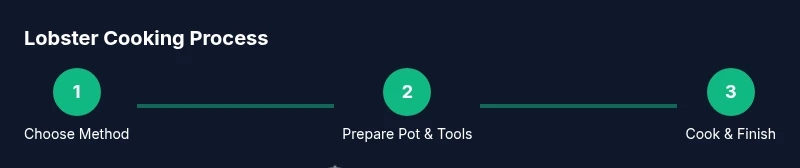
Steps
Estimated time: 45-60 minutes
- 1
Choose your lobster and prep
Select live lobsters if possible for the best flavor and freshest meat. Keep them cold until ready to cook, and handle with care to avoid stress or injury. If needed, chill briefly in the fridge before cooking to slow movement.
Tip: Cold lobsters are easier to handle and tend to cook more evenly. - 2
Prepare the cooking liquid or setup
Fill a large pot with enough water to cover the lobsters and bring to a vigorous boil. Optionally add salt to mimic seawater flavor; do not over-salt. If steaming, set up a rack and bring water to boil underneath.
Tip: If boiling, use a rolling boil before adding lobsters to ensure quick, even cooking. - 3
Cook the lobster (boiling/steam)
Gently lower lobsters into the pot or place on a steam rack. Boil for about 8-12 minutes for 1-1.25 lb lobsters; add 3 minutes per additional pound. Lobster is done when the shell is bright red and the meat is opaque.
Tip: Do not overcook; lobster meat becomes tough and rubbery quickly. - 4
Remove and rest the meat
Lift lobsters with tongs and let them rest on a rack or plate for 2-3 minutes to finish cooking off the heat. This helps the meat set and prevents soggy texture.
Tip: Avoid cutting into shells immediately; rest helps retain moisture. - 5
Extract the meat
Crack claws and tails with a lobster cracker, then use picks to extract meat. Keep shells nearby for visual appeal or for shell-on presentations.
Tip: Work over a bowl to capture juices that can be stirred into dipping sauces. - 6
Flavor and serve
Prepare a simple melted butter with a squeeze of lemon and optional herbs. Dip hot lobster meat and serve with crusty bread or corn on the cob for contrast.
Tip: Butter should be melted and hot but not scorched to preserve delicate flavors.
Quick Answers
What is the best method to cook lobster for beginners?
For beginners, boiling or steaming lobster is the most forgiving approach. Both methods produce tender meat when timed correctly. Start with a rolling boil or steam under steady heat, then verify doneness by color and texture before removing.
For beginners, boil or steam lobster. Both work well if you time it right; look for bright red shells and opaque meat.
How do I tell if lobster is fully cooked?
Fully cooked lobster shells turn bright red, and the meat becomes opaque and white with a firm texture. If unsure, test a small piece; it should be tender, not rubbery.
Look for bright red shells and opaque meat. If in doubt, test a piece for tenderness.
Should frozen lobster be thawed before cooking?
Yes, thaw frozen lobster slowly in the refrigerator before cooking to ensure even heating and texture.
Thaw frozen lobster in the fridge before cooking for best results.
Is it better to grill lobster tails or boil them?
Grilling lobster tails adds smoky flavor and a slightly crisp edge, but it requires careful timing to avoid drying. Boiling or steaming remains the most forgiving method for consistent results.
Grill for flavor if you watch the time closely; otherwise, boil or steam for reliability.
Can I overcook lobster meat in butter sauce?
Yes, overcooking even buttered lobster can make the meat tough. Keep the meat moist and dip promptly; avoid prolonged exposure to heat.
Be careful not to overcook, even with butter; aim for just done.
What equipment makes lobster prep easier?
A large stock pot, a lobster cracker, and long tongs are essential. A steamer insert helps if you prefer steaming, and kitchen shears speed portioning.
Big pot, crackers, tongs, and optional steamer insert for easier prep.
Watch Video
Top Takeaways
- Choose steaming or boiling for reliable results.
- Monitor time carefully to avoid rubbery texture.
- Prepare the right tools for safe handling and easy meat extraction.
- Finish with a bright, simple butter-dag sauce for best flavor.
- Avoid common mistakes by keeping heat steady and meat moist.