How to Cook a Lobster: A Practical Guide for Home Cooks
Learn how to cook a lobster with confidence. This step-by-step guide covers selection, boiling vs steaming, timing, and serving, plus pro tips to avoid overcooking and maximize tenderness.


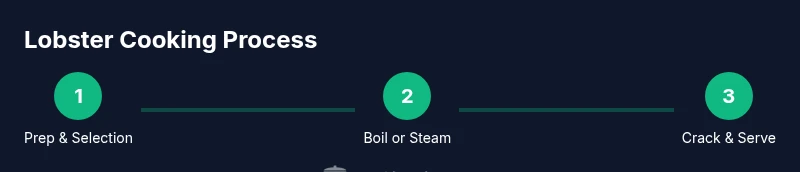
In this guide you’ll learn how to cook a lobster to tender perfection. You’ll choose fresh or properly thawed lobsters, decide between boiling or steaming, and follow precise timing to avoid rubbery meat. The result is flavorful, succulent lobster meat ready for your favorite dipping sauces.
The Lobster Cooking Essentials: Freshness, Size, and Prep
According to Cooking Tips, the foundation of a great lobster dish starts with freshness and proper prep. When you know how to cook a lobster, you’re not just boiling a shell—you’re transforming a fresh, ocean-scented ingredient into a tender, sweet meal. Start with live lobsters if possible; they’re at their peak, lively and responsive. If you must buy frozen, thaw them gradually in the refrigerator rather than under hot water to preserve texture. Size matters: smaller lobsters cook faster and yield firmer meat, while larger ones have more meat but require longer cooking. Handling and prepped tools set the stage for success, so have your pot ready, your salt measured, and your tongs on hand. In short, quality starts with selection, then precise timing and gentle handling that respect the lobster.
Freshness and Selection: Live vs Frozen, Size, and Storage
When selecting lobsters, aim for bright shells and firm, intact claws. If purchasing live, keep them cool and humid while you plan the cook; avoid overcrowding in a bag, which can cause stress and damage. If you’re using previously frozen lobster tails, ensure they’re fully thawed in the refrigerator or under cool running water before cooking. Cooking Tips recommends giving live lobsters a brief rinse and checking for a lively tail curl as a quick freshness test. Bigger isn’t always better: figure about 1 to 1.5 pounds per person for generous servings, and plan extra for leftovers. Storing raw lobster briefly in the fridge is possible, but cold storage is best used for short, planned cooking.
Boiling vs Steaming: Which Method Delivers the Best Texture?
The two classic methods to cook lobster meat are boiling and steaming. Boiling is fast and furious, ideal for multiple lobsters and home cooks who want a straightforward approach. Steaming is gentler, preserves more of the delicate flavor, and helps keep the shell from over-expanding, which some home cooks prefer for a more tender bite. In either method, use a large pot with enough water to submerge the lobster fully, and season the water well with salt so the meat takes on a touch of brine flavor. Cooking Tips notes that both methods can yield excellent results with proper timing and attention to doneness. Choose your method based on batch size, equipment, and preference for texture.
Equipment Setup and Safety: Tools, Timing, and Water Chemistry
Preparation is half the victory. Before you start, lay out a large, sturdy pot with a tight-fitting lid, a pair of tongs, kitchen shears, a sharp knife or mallet for cracking, and a bowl of ice water for an immediate chill after cooking. Salt is essential—about 1–2 tablespoons per gallon of water helps flavor and firm the meat. If you prefer, you can use a steamer basket instead of having the lobster swim in water; this is gentler and can result in a slightly sweeter taste. Safety first: keep kids and pets away from the stove while the pot is on, and never crowd multiple lobsters into a single pot.
The Classic Boiled Lobster: Step-by-Step Method (Detailed Guidance)
When you’re ready to cook, follow a structured, reliable method that yields consistent results. The goal is to reach a cooked interior with opaque, white meat and a bright red shell without overcooking. A precise approach reduces the risk of rubbery texture and ensures juicy meat. This section complements the quick answer by giving you the real-world steps, including timing and handling, so you can cook with confidence and enjoy restaurant-quality lobster at home.
Cracking, Serving, and Sidenotes: Getting the Meat Out and on the Plate
Lobster meat decorates a plate best when handled with care. After cooking, chill briefly in an ice bath to stop the cooking process, then crack the claws and tail with purpose using your tongs and kitchen shears. Serve immediately with melted butter, lemon wedges, and optional dipping sauces. If you have leftovers, refrigerate promptly in an airtight container for up to two days. This section also covers quick tips on removing meat from tricky parts like the knuckles and legs, so you don’t waste precious morsels.
Authority Sources and Further Reading
For readers who want to dive deeper into seafood safety and cooking science, consider these reputable sources: FDA seafood safety guidelines, University extension resources on seafood handling, and CDC food safety facts. These references reinforce best practices for selecting, cooking, and safely enjoying lobster at home. Always pair your dish with mindful food safety habits to ensure the best tasting and safest results.
Troubleshooting and Common Pitfalls
Even seasoned home cooks face hiccups. Common issues include under-seasoned water, overcooked meat, and messy cracking. The good news is that these problems are easily fixable with a careful approach: measure salt in the water, monitor cooking time with a timer, and practice cracking technique to avoid waste and preserve juicy meat. Remember that lobster cooks quickly—a moment too long can turn tender meat into a dense, chewy texture. With the strategies above, you’ll consistently achieve succulent results.
Tools & Materials
- Lobsters (live or thawed)(Fresh preferred; thaw frozen lobster slowly in the fridge if needed)
- Large stock pot with lid(Must be large enough to fit lobsters completely submerged)
- Sea salt or kosher salt(Approximately 1–2 tbsp per gallon of water)
- Tongs(For safely handling hot lobsters)
- Kitchen shears or sharp knife(For cracking claws and tails)
- Butter for dipping(Traditional accompaniment)
- Lemon wedges(Brighten and balance the richness)
- Timer(To track cooking time precisely)
- Ice bath bowl(Shock cooked lobster to stop cooking)
Steps
Estimated time: 45-60 minutes
- 1
Select and Prep Lobsters
Choose live lobsters if possible for best flavor. If using frozen tails, thaw slowly in the refrigerator overnight and rinse lightly before cooking. Keep lobsters cold until the moment you’re ready to cook.
Tip: Rinse live lobsters briefly before cooking to remove debris and check for responsiveness. - 2
Fill and Heat the Pot
Add enough water to fully submerge the lobsters, then add salt and bring to a rolling boil. Maintain a vigorous boil to ensure even cooking from shell to meat.
Tip: Use high-quality salt; it helps flavor the meat and can slightly affect texture. - 3
Cook Lobsters Head-First
Lower the lobsters into the pot head-first for humane handling and even cooking. For 1–1.25 lb lobsters, cook about 8–10 minutes; larger lobsters require 12–15 minutes. Cook until shells are bright red and meat is opaque.
Tip: If cooking more than one, stagger entry to maintain a steady boil. - 4
Test for Doneness
Check that the meat is opaque and the tail curls firmly when pulled. The shells should be vivid red and the meat should not appear translucent. An internal temperature of around 140–145°F (60–63°C) is a good indicator for safety and texture.
Tip: If unsure, remove one lobster and test the meat before cooking the rest fully. - 5
Shock and Rest
Carefully lift the lobsters and dip into an ice bath for 1–2 minutes to halt cooking. Return to the cutting board and pat dry. Resting briefly helps the juices redistribute through the meat.
Tip: Don’t skip the ice bath; it preserves tenderness and prevents overcooking. - 6
Extract Meat
Crack the claws and tail with the back of a knife or kitchen shears to release meat. Use a fork or lobster pick to remove any stubborn bits. Keep the shells and meats organized for serving.
Tip: Cracking near the joints minimizes shell fragments in the meat. - 7
Sauces and Serving
Serve hot lobster meat with melted butter, lemon, and optional herbs or a light dipping sauce. If serving as a course, present in a platter with shells nearby for a rustic, restaurant-like presentation.
Tip: Butter should be warm, not hot; dipping should feel indulgent without scalding your palate. - 8
Cleanup and Storage
Cool leftovers quickly and refrigerate in an airtight container within two hours. They’ll keep for about two days and can be reheated gently in a steam setup or in a quick butter sauce.
Tip: Label leftovers with date to track freshness accurately.
Quick Answers
Boiling vs steaming: which method should I use for the best texture?
Both methods produce wonderful lobster meat when timed correctly. Boiling is faster and convenient for multiple lobsters, while steaming is gentler on the meat and can yield slightly sweeter results. Choose based on batch size and texture preference.
Boiling is quick and great for many lobsters; steaming is gentler and can taste slightly sweeter.
How can I tell if the lobster is cooked without overcooking?
Look for opaque white meat and a bright red shell. The tail should curl when relaxed. If in doubt, test one lobster before finishing the batch and aim for a firm, not rubbery, texture.
Check for opaque meat and a curled tail; if in doubt, test a piece before finishing the batch.
Should I thaw a frozen lobster before cooking?
Yes. Thaw gradually in the refrigerator or under cold running water. Sudden thawing can cause texture loss, while gradual thawing preserves juiciness.
Thaw slowly in the fridge for best texture, or under cold water if short on time.
What’s the best way to crack the lobster without waste?
Use kitchen shears or a sturdy knife to crack the claws and tail along natural joints. Work slowly to avoid shredding meat and to minimize shell fragments in the meat.
Crack along the joints with sturdy tools to keep the meat intact.
What should I serve with lobster?
Classic choices include melted butter, lemon wedges, steamed vegetables, and crusty bread. A light, crisp white wine pairs nicely with the rich meat.
Butter, lemon, and vegetables are perfect accompaniments.
How long can cooked lobster be stored in the fridge?
Cooked lobster can be refrigerated for up to two days in an airtight container. For best flavor, reheat gently by steaming or in a small amount of butter.
Store for up to two days and reheat carefully to preserve texture.
Watch Video
Top Takeaways
- Choose fresh lobsters when possible for best texture.
- Boiling or steaming are both effective with proper timing.
- Test meat for opacity and shell color to ensure doneness.
- Shock in ice bath to stop cooking and preserve tenderness.
- Store leftovers promptly for safety and flavor.