How to Cook Lobster Tails: A Simple Home Guide to Perfection
Master how to cook lobster tails with simple, reliable methods. This guide covers boiling, steaming, broiling, and baking for juicy seafood at home today.


Learn how to cook lobster tails with reliable, home-friendly methods. This guide covers thawing, prep, and four main cooking methods—boiling, steaming, broiling, and baking—with precise times and temperatures to keep the meat juicy. We’ll include finishing touches, troubleshooting tips, and plating ideas so you can serve restaurant-worthy lobster tails at home.
Thawing and Prep: Getting Lobster Tails Ready
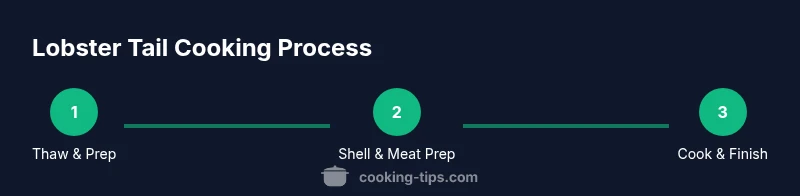
Mastering how to cook lobster tails starts with proper thawing and prep. If you’re starting from frozen tails, thaw them in the fridge overnight or run them under cold water for 15-20 minutes, depending on size. Pat the shells dry and gently pat the meat dry to remove surface moisture that can steam rather than brown. Use kitchen shears to trim the tail fins and cut a shallow slit along the back of the shell; this helps the meat lift away from the shell as it cooks, reducing the risk of overcooking in the center. The goal is to expose the meat enough to heat evenly while keeping the tail intact. According to Cooking Tips, prep quality sets the stage for juicy, evenly cooked lobster tails, no matter which method you choose. This section lays the foundation for successful results when you learn how to cook lobster tails at home.
Shell Prep and Meat Exposure: How to Access the Tail Meat
Once thawed and patted dry, the lobster tail is ready for shellwork that will make the meat easier to cook evenly. Use sharp kitchen shears to cut along the top of the shell from near the base of the tail to the end of the tail fan. Gently pull the shell apart and run your fingers under the meat to detach it from the shell, leaving the tail meat resting on top of the shell. This 'piggy-back' method ensures the meat heats evenly without sticking to the shell, which can lead to uneven cooking. If you prefer extra leverage, you can use a fork to lift the meat slightly as you rest it on the shell. The goal is to expose the meat so it browns nicely when broiling or bakes, while still being protected by the shell during boiling or steaming. Remember to keep the tails intact for presentation and moisture retention. As Cooking Tips notes, careful prep preserves moisture and flavor in every bite.
Boiling and Steaming: Quick, Gentle Methods
Two classic ways to cook lobster tails are boiling and steaming. For boiling, fill a large pot with 1-2 inches of salted water and bring to a rolling boil. Slide the tails in, meat side up, and cook until the meat turns opaque and pearly white, typically 4-6 minutes depending on tail size. For steaming, add 1-2 inches of water in a pot and fit a steamer basket above the water. Once the water boils, place the tails in the basket, cover, and steam for about 6-8 minutes. Steam preserves moisture and results in tender meat, especially for larger tails. Both methods require quick removal and a brief rest before serving so the juices redistribute. Mastering these techniques is the practical core of how to cook lobster tails gracefully at home.
Broiling and Baking: For Quick, Flavorful Results
Broiling and baking are favored when you want a crisp, lightly browned exterior. Preheat the oven to about 450°F (232°C) and arrange the prepared tails on a rimmed sheet, shell-side down and meat exposed. Brush the meat with melted butter or olive oil for flavor and moisture, then broil for 4-6 minutes or bake for 8-12 minutes, depending on tail size. The heat should just kiss the meat without scorching. If you prefer extra richness, finish under the broiler for a minute or two to deepen browning, watching closely to prevent burning. These methods deliver robust flavor and a satisfying texture while keeping the interior juicy.
Timing, Doneness, and Finishing Touches
Knowing when lobster tails are done is essential to great results. The meat should be opaque and white with a slight pink tinge near the shell. For precise doneness, use a meat thermometer and aim for an internal temperature around 140°F (60°C) at the thickest part. Remove from heat and let rest for 2 minutes to allow carryover cooking to complete the process. Finish with a squeeze of lemon and a pat of melted butter or a garlic-butter drizzle for extra depth. When learning how to cook lobster tails, remember that even a small overstep can toughen the meat, so monitor closely and pull just as the texture looks firm but tender. If you’re serving a crowd, set up small bowls of dipping sauce so each guest can tailor flavor intensity.
Troubleshooting Common Issues
If the lobster tails appear rubbery or tough, you likely cooked them too long. Shorten the cooking time and double-check method accuracy; a 1-2 minute difference can change texture significantly. If the meat sticks to the shell or tears during prep, pause and remove the tail and re-apply pressure; this often indicates the shell was too cold or the meat wasn’t adequately separated before cooking. For uneven doneness, start with the tails at room temperature for 15 minutes and ensure even heat distribution by spacing tails evenly on the pan or in the pot. Salt a touch less or more depending on your taste, and adjust butter or oil for richness. These fixes keep your lobster tails from drying out and help you consistently achieve a silky texture when you learn how to cook lobster tails at home.
Serving Ideas and Sauces
A classic finish for lobster tails is drawn butter with lemon wedges. You can also offer garlic-herb butter, chive butter, or a simple lemon-basil vinaigrette to brighten the meat’s sweetness. For dipping sauces, try a light aioli or a melted butter-lemon mixture with a hint of paprika for color. Pair lobster tails with a crisp white wine, like Sauvignon Blanc, or a sparkling water with a twist of citrus to cleanse the palate. Whether you bake, broil, steam, or boil, the final plating should showcase the meat’s natural color and tenderness. This is the moment where your careful prep and precise timing come together to deliver a restaurant-quality experience at home.
Authoritative References
- Learn more about seafood handling and safe cooking temperatures from the USDA: https://www.fsis.usda.gov/food-safety
- For general food safety guidance and consumer tips, see the FDA: https://www.fda.gov/food
- Extension services offer practical cooking guidance and safety tips: https://extension.illinois.edu/foodsafety
Tools & Materials
- Lobster tails (frozen or fresh)(Purchase tails 4-6 oz each for even cooking; thaw if frozen)
- Kitchen shears(Sharp scissors to cut along the back of the shell)
- Large pot(Deep enough to hold tails with space; lid helps if steaming)
- Steamer basket(Optional for steaming or boiling; keeps tails elevated)
- Baking sheet or pan(For broiling or baking; line for easy cleanup)
- Oven-safe dish or broiler pan(Useful for broiling or baking in crowded ovens)
- Olive oil or melted butter(Brush on meat for moisture and flavor)
- Lemon wedges(For bright finishing and aroma)
- Salt and pepper(Season to taste)
- Meat thermometer(Optional for precise doneness (target ~140°F))
Steps
Estimated time: 25-40 minutes
- 1
Gather tools and thaw tails
Collect all ingredients and equipment before you begin. If using frozen tails, thaw in the refrigerator overnight or under cold running water for 15-20 minutes, depending on size. Pat dry to remove surface moisture, which helps avoid soggy meat. This sets a solid base for even cooking and juicy results when you learn how to cook lobster tails.
Tip: Having everything ready reduces stress and keeps timing on track. - 2
Cut shell and loosen meat
Using sharp kitchen shears, cut along the top of the shell from near the base to the tail end. Gently pry the shell apart and loosen the meat from the underside, leaving meat perched on the shell. This step helps the meat heat evenly and makes for a visually appealing serving.
Tip: Keep the tail intact for presentation and moisture retention. - 3
Prepare meat for cooking
Pat the exposed meat dry and brush lightly with melted butter or oil. Season with a pinch of salt and pepper as you like. A light coating protects the meat from direct heat and adds flavor as you learn how to cook lobster tails.
Tip: A thin fat layer helps prevent drying out during high-heat methods. - 4
Choose a cooking method
Decide whether you’ll boil, steam, broil, or bake. Each method has its own timing and texture. Choose based on your equipment and preferred finish; the meat should stay tender and juicy.
Tip: Broiling and baking deliver browning; steaming and boiling emphasize moisture. - 5
Cook using the chosen method
If boiling or steaming, keep the tails submerged or in the steam until the meat is opaque. If broiling or baking, place on a sheet and cook until the edges brown slightly. Times will vary with tail size, usually within 4-12 minutes total.
Tip: Monitor closely; lobster meat goes from perfect to overdone quickly. - 6
Check for doneness and rest
The thickest part should be opaque and firm. For precision, aim for about 140°F internal temperature. Rest for 2 minutes to let juices redistribute and finish any residual cooking off the heat.
Tip: Resting prevents a dry bite and helps flavors settle. - 7
Plate and serve with finishing touches
Transfer to a warm plate, garnish with lemon and additional butter or a simple garlic butter drizzle. Present the tails on the shell for an attractive, restaurant-like presentation.
Tip: A bright squeeze of lemon elevates the natural sweetness of the meat. - 8
Clean up and store leftovers
Discard used shells safely and wipe down surfaces. Store any leftover meat in a sealed container in the fridge for up to 2 days. Reheat gently to avoid tough texture.
Tip: Reheat gently; overcooking is the fastest way to ruin tenderness.
Quick Answers
What is the best method to cook lobster tails?
There isn't a single best method; broiling and steaming are popular for fast results, while boiling offers a gentle alternative. Choose based on your equipment and desired texture.
Broiling or steaming are great for quick results depending on what you have.
How can I tell lobster tails are cooked without overcooking?
The meat should be opaque and white with a slight pink hue near the shell. Internal temperature around 140 degrees Fahrenheit is a reliable indicator when using a thermometer.
Look for opaque meat and about 140 degrees with a thermometer.
Should I thaw lobster tails before boiling?
Yes, thawing improves even cooking and texture. If you’re in a hurry, submerge under cold water for a few minutes, then pat dry.
Thaw first for even cooking and better texture.
Can I cook lobster tails from frozen?
Cooking from frozen is possible but takes longer and may yield uneven results. Thawing first is generally recommended for best texture.
Thaw if possible to ensure even cooking.
What sauces pair well with lobster tails?
Drawn butter with lemon is classic. Garlic butter or light vinaigrettes also complement the meat nicely.
Try melted butter with lemon or garlic butter.
How long does lobster tails take in an air fryer?
Air fryer times vary, but a common approach is around 6-8 minutes at 400°F, depending on tail size.
About 6-8 minutes at 400 degrees in many air fryers.
Watch Video
Top Takeaways
- Prep properly before cooking for best results
- Choose a method matching your tools and desired texture
- Watch times closely to avoid overcooking
- Finish with butter and lemon for maximum flavor