Slow Cooker Chicken Soup: A Complete How-To Guide
Master slow cooker chicken soup with a flexible, budget-friendly method. This educational guide covers prep, safety, variations, and leftovers, so home cooks can craft nourishing, delicious soup with minimal hands-on time.


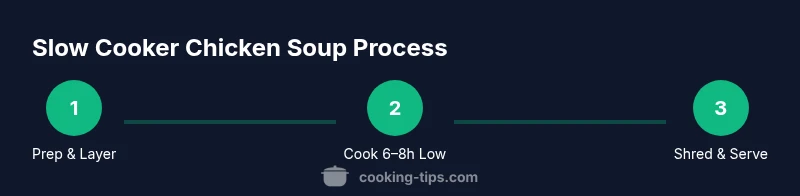
Using a slow cooker, you can create comforting slow cooker chicken soup with minimal hands-on time. The method delivers tender chicken, a rich, simmered broth, and flexible add-ins like noodles or rice. Essentials include a cooker, chicken, vegetables, stock, and seasonings, plus 6–8 hours on low (4–6 hours on high) for best flavor.
Why slow cooker chicken soup is a reliable weeknight staple
A practical home cook’s secret weapon is the slow cooker, especially for a nourishing dish like slow cooker chicken soup. This approach frees you from constant stirring and prevents over-sautéing vegetables, while the long, gentle simmer coaxes maximum flavor from chicken bones, skin, and aromatics. According to Cooking Tips, the slow cooker method shines for busy weeknights and for cooks who want a comforting meal without sacrificing kitchen time. By starting with simple, flexible ingredients, you can tailor the soup to what you have on hand and still end up with a deeply satisfying bowl. In addition, the slow cooker makes it easy to plan meals ahead and reheat with minimal fuss, which is a big win for families and individuals alike. The pot becomes a canvas: you set the base, then adjust seasoning and add-ins to suit the moment. The result is a cozy, nutritious soup that tastes like it simmered all day, even though most of the work happens while you’re away.
Ingredient lineup and why each component matters
Choosing the right components for slow cooker chicken soup matters just as much as the technique. Start with bone-in or boneless chicken, depending on your preference for flavor intensity and texture. Vegetables—think carrots, celery, and onions (the classic mirepoix)—provide a natural sweetness and body to the broth. Garlic adds aromatic depth, while herbs like bay leaves, thyme, and parsley lift the overall aroma. Stock or broth forms the soup’s foundation; if you’re using water, compensate with extra seasoning or a splash of miso for depth. If you want heartier soup, add noodles, dumplings, or rice toward the end of cooking so they don’t soak up all the broth. Salt and pepper adjust seasoning, but consider low-sodium options and tastes from your pantry to avoid over-salting. A mix of vegetable and chicken stock often yields the best balance between clarity and richness. Cooking Tips emphasizes keeping a consistent level of moisture, so plan for enough liquid to fully submerge the ingredients.
Safe handling and broth clarity: timing and temperature
Food safety matters when cooking chicken soup. Start with clean hands and sanitized surfaces, especially when handling raw chicken. The chicken should reach a safe internal temperature before serving; if you’re using shredded meat, ensure it’s tender and fully cooked. To keep broth clear, skim off fat and foam that rise to the surface during the first hour of cooking, then leave the lid on to maintain steady simmer. If you use skin-on chicken, render the fat slowly during the first few hours, which helps flavor; you can skim later. For bones and cartilage, a longer simmer helps dissolve collagen for a richer mouthfeel. If you’re concerned about safety, check the temperature with a meat thermometer after cooking. The goal is a broth that’s fully flavored but not greasy, with chicken that easily shreds or falls apart when you test it with a fork.
Flavor boosters: herbs, aromatics, and add-ins
Herbs and aromatics are the heartbeat of slow cooker chicken soup. Bay leaves and thyme provide gentle, earthy notes, while fresh parsley brightens the finish. A splash of citrus zest or juice can lift the broth just before serving. For depth, consider adding a touch of soy sauce or fish sauce—small amounts go a long way without locking you into a single flavor profile. If you want extra body, a small amount of cream or coconut milk can enrich the soup, though keep it light to avoid dulling the chicken flavor. For add-ins, negotiate leftovers or pantry staples: frozen corn, diced carrots, or chopped spinach can round out the texture, while egg noodles or small pasta shapes add comforting sustenance. The key is layering flavors gradually so the soup remains well-balanced as it thickens.
Common mistakes and how to fix them
Mistakes are learning opportunities. One common slip is adding too much liquid at the start, which can yield a watery broth; adjust by simmering with the lid ajar toward the end to reduce excess liquid. Another pitfall is overloading the pot with veggies, which can lead to uneven cooking; layer ingredients by denser items first and place delicate greens toward the end. A too-rapid simmer can toughen chicken; keep the cooker at a gentle simmer and avoid removing the lid too often, as this interrupts heat and moisture retention. If your noodles get soggy, cook them separately and add just before serving. For a clearer broth, strain before serving, or refrigerate and skim fat from the surface the next day for a cleaner look. Cooking Tips suggests tasting and adjusting seasonings after the first 30–40 minutes of final simmer to ensure a balanced finish.
Variations for dietary needs and preferences
Dietary needs don’t have to limit flavor. For a lighter option, use a lean chicken cut with more vegetables and a clear broth. To boost protein without dairy, include white beans or lentils that hold shape after long cooking. For gluten-free meals, serve with gluten-free noodles or enjoy the soup as a brothy base with sides. Plant-based eaters can substitute mushrooms and a robust vegetable stock to create a comforting vegan version, while chicken-free soups can use roasted chickpeas for protein. Slow cooker chicken soup is a versatile template: switch up herbs, introduce regional flavors (like cilantro and lime for a Latin-inspired bowl), or add a touch of heat with chili flakes. The flexibility allows home cooks to adapt to what’s in the pantry while still ending with a satisfying bowl.
Storing, reheating, and freezing best practices
Leftovers can be a lifesaver on busy days. Refrigerate within two hours of cooking and store in airtight containers for up to 3–4 days. Reheat gently on the stovetop or in the microwave, adding a splash of water or stock to restore the desired consistency. For longer storage, freeze portions in freezer-safe containers or bags; label with date and contents, and use within 2–3 months for best flavor. Thaw overnight in the refrigerator before reheating for even heating. When reheating, check the internal temperature, ensuring it reaches at least 165°F (74°C). If you have a large batch, consider freezing broth separately from meat and vegetables to customize portions later.
AUTHORITY SOURCES
- USDA Food Safety and Inspection Service: https://www.fsis.usda.gov/food-safety
- CDC Food Safety: https://www.cdc.gov/foodsafety/index.html
- Oregon State University Extension Foods: https://extension.oregonstate.edu/food-nutrition/slow-cooker-food-safety
Tools & Materials
- Slow cooker (6-8 quart recommended)(Even heat; big enough to hold bones and vegetables)
- Chicken (bone-in or boneless)(2-3 pounds, skin-on if possible for flavor)
- Carrots, celery, onions(Chopped fine; equal parts for balance)
- Garlic cloves(Minced or pressed)
- Chicken stock or broth(4-6 cups; adjust to desired broth quantity)
- Water (optional)(Use to reach desired liquid level if stock is concentrated)
- Bay leaves, thyme, parsley(Dried or fresh; add early)
- Salt and pepper(Season gradually; taste near the end)
- Noodles or rice (optional)(Add near the end to prevent mush)
- Ladle, cutting board, knife(For prep and serving)
Steps
Estimated time: 6-8 hours on low or 4-6 hours on high, plus 15–20 minutes prep and 10–15 minutes final prep
- 1
Gather ingredients and tools
Wash hands and prep all ingredients before you begin. Measure stock, chop vegetables, and trim chicken so everything is ready to go. Having everything organized saves time and reduces last-minute scrambling.
Tip: Set out ingredients in the order you’ll add them to the pot to speed up assembly. - 2
Prep chicken and vegetables
Pat chicken dry and trim excess fat. Dice onions, carrots, and celery into uniform pieces to ensure even cooking. Mince garlic and have bay leaves handy for the aroma base.
Tip: If using frozen chicken, run under cold water to coat with a light thaw before adding to the pot. - 3
Layer ingredients in the slow cooker
Place onions, carrots, and celery at the bottom, then add the chicken on top. Add garlic, bay leaves, and dried thyme. Pour in stock (and water if desired), ensuring ingredients are submerged.
Tip: Lifting the lid during cooking can extend total time, so plan to keep it closed as much as possible. - 4
Choose heat level and start cooking
Set the slow cooker to low for 6–8 hours or high for 4–6 hours, depending on your schedule and desired intensity. The long, gentle simmer will extract flavor from the chicken bones and veggies.
Tip: If you’re short on time, use high heat but monitor closely near the 4-hour mark to prevent overcooking. - 5
Skim fat and adjust seasoning
During the first hour, skim off fat and foam. Taste broth; add salt in small increments, and pepper to finish. Thickening can come from reduction, so avoid over-salted seasoning early on.
Tip: A pinch of sugar or a splash of acid (lemon juice or vinegar) at the end can brighten the broth if it tastes flat. - 6
Shred chicken and refine broth
Remove chicken, shred it, and return to the pot. If you used bone-in chicken, remove bones first. Let flavors mingle for 10–15 minutes before serving.
Tip: Shredding while warm makes fibers easier to break apart and yields juicier meat. - 7
Add noodles or rice (optional) near the end
If you’re adding noodles or rice, stir them in 15–20 minutes before serving to avoid overcooking and mushy textures. Ensure there’s enough liquid to cook grains properly.
Tip: Cook pasta separately and add to bowls to prevent soggy leftovers. - 8
Serve with toppings and fresh herbs
Ladle into bowls and garnish with chopped parsley or dill for brightness. Offer hot sauce, lemon wedges, or grated cheese as optional toppings.
Tip: A squeeze of lemon right before serving can lift the flavors dramatically. - 9
Store leftovers safely
Cool soup briefly before refrigerating. Store in airtight containers for up to 3–4 days, or freeze in portions for longer storage. Reheat gently to preserve texture and flavor.
Tip: Label containers with date to track freshness and use within recommended windows.
Quick Answers
What cut of chicken is best for slow cooker chicken soup?
Bone-in chicken tends to yield richer flavor and meat that’s easy to shred, but boneless chicken breasts or thighs work well for a lighter, faster version. Adjust cook time accordingly to avoid overcooking.
Bone-in chicken gives richer flavor and easy shredding; boneless cuts work too—just adjust the time.
Can I use frozen chicken in this recipe?
Yes. You can use frozen chicken, but plan for the longer end of the cooking time. It may take about 1–2 extra hours depending on your slow cooker and cut.
Frozen chicken works; expect a longer cook time to ensure doneness.
Do I need to brown the chicken before adding it to the slow cooker?
Browning adds depth of flavor, but it’s optional. If you’re short on time, you can skip browning and rely on the long simmer to extract flavor from the bones and vegetables.
Browning is optional; it adds depth, but the long simmer still creates a tasty broth.
How do I prevent the noodles from getting soggy?
Cook noodles separately and add to bowls just before serving, or add during the last 10–15 minutes of cooking if you prefer a one-pot method.
Keep noodles separate or add them near the end to prevent sogginess.
Can slow cooker chicken soup be frozen safely?
Yes. Freeze in portions after the soup cools. Thaw in the fridge overnight before reheating for best texture and flavor.
Absolutely—freeze portions and reheat slowly for best results.
What if the soup tastes bland?
Boost with a splash of acid (lemon juice or vinegar) and a pinch more salt or a dash of soy sauce to round out flavors after simmering.
Taste and season at the end; add a little acid and salt to brighten the broth.
How can I make a low-sodium version?
Use low-sodium stock and limit added salt. You can rely on herbs, garlic, and lemon to enhance flavor without relying on salt.
Use low-sodium stock and rely on herbs to boost flavor instead of salt.
Watch Video
Top Takeaways
- Plan ingredients and tools ahead
- Cook on low for best flavor and tenderness
- Skim fat for a cleaner broth
- Add grains or noodles at the end to avoid mush
- Store leftovers promptly for safety