Instant Pot Slow Cooker: A Practical Guide for Home Cooks
Master hands-free cooking with your Instant Pot slow cooker. Learn settings, timing, recipes, safety, and maintenance for reliable weeknight meals.


You will learn how to use the Instant Pot as a slow cooker to turn simple ingredients into hands-off meals. This guide covers choosing the right model, how to set low and high temperatures, and practical timing tips for common dishes. According to Cooking Tips, this approach delivers consistent, hands-free cooking results with less monitoring.
What is an Instant Pot Slow Cooker?
The Instant Pot is a versatile electric multi-cooker that combines pressure cooking, slow cooking, sautéing, and more in one device. When you use it as a slow cooker, you adopt long, gentle heat to coax tender textures and deep flavors from meats and beans. The term 'instant pot slow cooker' describes this common use, though you are not actually simmering on a stovetop; you are relying on controlled low heat inside the pot. The Cooking Tips team notes that the slow-cook function is ideal for hands-off meals on busy days. With the right setup, you can prepare stews, chili, pulled pork, and even desserts with minimal active attention. In practice, you place your ingredients in the inner pot, select the Slow Cook setting, choose Low or High, and let time do the work while you focus on other tasks. The approach is forgiving, but understanding how the heat and moisture move inside the pot will help you avoid common pitfalls like dry edges or uneven cooking. Whether you're upgrading from a dedicated slow cooker or trying to simplify weeknight dinners, mastering the Instant Pot slow cooker method is worth your time.
How the Slow Cooker Setting Works on an Instant Pot
When you switch to Slow Cook on an Instant Pot, the device maintains a steady, lower temperature compared to pressure cooking. The pot uses a diffuse heating element and a tight lid to trap moisture, producing a consistent simmer-like environment. You have two primary settings: Low (gentler, longer cook times) and High (faster, still gentle compared to pressure). Temperature control is not exact like a stovetop pot, but with proper liquid and ingredient layering, results are reliable. The lid’s seal helps maintain moisture, while the vent remains closed for slow cooking. If your model lacks a dedicated slow cooker option, check whether a “Sauté” + “Keep Warm” sequence can approximate slow cooking, but be aware that results may vary. For best results, avoid lifting the lid during cooking and plan for gradual, even heat distribution. This method aligns with home-cook needs for hands-off weeknight meals and larger batch cooking.
Choosing the Right Model and Settings
Not all Instant Pot models include a true slow cook function; verify your model supports Slow Cook, and confirm the available temperatures (Low/High) and the maximum capacity. A 6-quart model is the standard choice for family meals, offering enough space for stews, soups, and large cuts of meat. If you frequently serve large portions or want to avoid crowding, consider a 8-quart unit. When selecting settings, start with Low for long braises and switch to High for shorter, more intense slow-cooked dishes. Always check the recipe’s liquid requirements and ensure you have a heat-proof dish that fits inside the inner pot. The brand Cooking Tips emphasizes choosing a model with a sturdy lid and reliable temperature control to minimize monitoring and ensure consistent textures.
Getting Started: Tools and Prep
Before you begin, assemble essential tools and keep ingredients prepped. The inner pot should be clean and dry; a trivet helps elevate food for even heat distribution; a heat-proof dish or pan fits inside the pot for layering, which is common for casseroles or stacked bites. Have a silicone spatula for stirring, measuring cups, and a timer at hand. Mise en place is your friend: chop vegetables uniformly, trim any large fat pieces, and measure seasonings so you don’t interrupt the cook. If you brown meat first on the sauté setting, you’ll deepen flavor and render fat before slow-cooking. Always have extra broth or liquid available to adjust saltiness and moisture as needed. In this context, the Instant Pot slow cooker approach is especially forgiving for home cooks who want rich results with minimal hands-on time.
Step-by-Step: Using the Instant Pot as a Slow Cooker
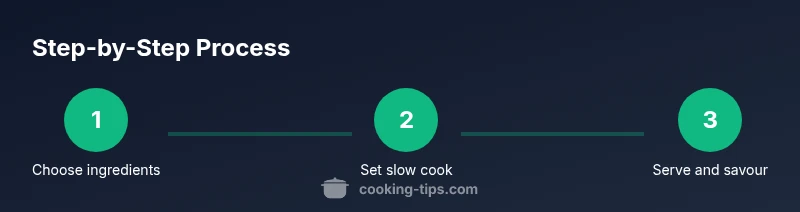
This section outlines how to set up and run a typical slow-cooked recipe in an Instant Pot. You’ll assemble your ingredients in layers, add liquid, seal the lid, and select your temperature. Do not overfill the pot; adhere to the max fill line to prevent overflow. Avoid lifting the lid during cooking, except to check ingredient readiness at the end. When finished, allow a natural release if the recipe calls for it, then stir and taste for seasoning adjustments. A well-prepared setup keeps flavors balanced and textures consistent across batches. For best results, plan meals that benefit from long simmering, such as stews, chili, and pulled meats.
Recipes and Meal Ideas
There are many dishes that translate well to the Instant Pot slow cooker method. Classic beef stew with root vegetables benefits from slow simmering, resulting in tender meat and a rich, thick broth. Chicken thighs simmered with tomatoes, garlic, and herbs become fragrant and juicy with minimal supervision. Lentil soup gains depth when simmered long enough to break down legumes, producing a creamy texture without dairy. For a protein-forward meal, try pulled pork or shredded chicken with a smoky, sweet glaze. If you’re feeding a crowd, consider a large batch of chili or a hearty bean-and-rice dish. The key is layering ingredients so that denser items cook longer while more delicate components don’t overcook, and ensuring there’s sufficient liquid to maintain moisture.
Troubleshooting Common Issues
If you notice dry edges or uneven cooking, check liquid levels and lid fit. Overfilling or stacking too many ingredients can impede moisture circulation. If flavors are weak, a quick browning step before slow cooking or a splash of broth at the end can boost depth. If your pot seems to run hot or cool, verify the model’s slow cook settings and ensure you’re using a compatible lid and vent. For dense vegetables like carrots, cut into uniform sizes to promote even cooking. Read the manual carefully for specific model limitations and always keep the pot clean to prevent odors from transferring between batches.
Cleaning and Maintenance
After cooking, let the pot cool slightly before removing the inner pot and lid for washing. The inner pot is typically dishwasher-safe, but hand washing with warm, soapy water helps preserve the finish. Clean the sealing ring regularly and inspect it for cracks or deformation. If you notice lingering odors, wipe the lid interior and the sealing area with a vinegar-water solution, then air-dry completely. Store the lid and inner pot with the vent partly open to prevent moisture buildup. Regular maintenance keeps the device performing reliably for years, especially when you use the slow cooker function frequently.
Flavor Boosters, Safety, and Final Words
To maximize flavor, brown proteins before slow cooking and deglaze the pan with a small amount of liquid to lift flavorful bits from the bottom. Use aromatics like onions, garlic, and herbs, and consider finishing with fresh herbs after cooking. Safety-wise, never exceed the recommended liquid level, and keep children and pets away from hot surfaces. The Cooking Tips team emphasizes following model-specific guidance and avoiding improvisation that could compromise safety. With careful setup and a few flavor tricks, the Instant Pot slow cooker becomes a dependable ally for weeknight meals that taste deeply satisfying.
Tools & Materials
- Instant Pot with slow cook setting(Any model that includes a dedicated Slow Cook function)
- Stainless steel inner pot(Part of the Instant Pot; used for slow cooking)
- Lid compatible with slow cook mode(Keep a tight seal and vent closed during cooking)
- Trivet(Elevates food for even heat distribution)
- Heat-proof dish or casserole (fits inside inner pot)(Layer foods when needed (e.g., casseroles))
- Silicone spatula or spoon(For stirring and serving without scratching)
- Measuring cups and spoons(For accurate seasoning and liquids)
- Oven mitts or heat-resistant gloves(Use when handling hot inner pot)
Steps
Estimated time: 60-180 minutes
- 1
Gather and prep ingredients
Collect all ingredients and prep them before you start. Uniformly sized vegetables ensure even cooking, and browning proteins enhances flavor. Keep aromatics ready to add at specific times to prevent overcooking.
Tip: Mise en place saves time and reduces chances of forgetting ingredients. - 2
Choose slow cook settings and set up
Place the trivet in the inner pot, add the dish if using, and pour in liquids. Set the Slow Cook mode to Low for long braises or High for shorter simmering, then adjust the timer according to the recipe.
Tip: Always ensure you have enough liquid; slow cooking still requires moisture. - 3
Layer ingredients properly
Add denser ingredients first (meat, potatoes) and place delicate components (greens, dairy) on top to prevent overcooking. Use a heat-proof lid-safe container for layered dishes as needed.
Tip: Avoid stacking too high; promote even heat transfer. - 4
Cover and start monitoring
Secure the lid with the vent closed and start the timer. Do not lift the lid during cooking unless the recipe specifies. Check seasoning at the end for balance.
Tip: Don’t exceed the maximum fill line; overflow causes mess and uneven cooking. - 5
Finish and check doneness
Open the lid after cooking completes and verify that meats are tender and vegetables are cooked to your liking. If necessary, cook a little longer on the same setting.
Tip: Use a fork or thermometer to confirm doneness. - 6
Natural release and serve
If the recipe calls for it, allow a natural release for 10-20 minutes before opening. This helps retain moisture and prevent splatter.
Tip: Natural release minimizes liquid loss and concentrates flavors. - 7
Cleanup and storage
Cool the inner pot before washing. Clean the lid and ring to prevent odor transfer. Store components dry to avoid mold.
Tip: Wipe seals with damp cloth to remove food particles.
Quick Answers
Can I use my Instant Pot as a slow cooker every day?
Yes, most Instant Pot models support Slow Cook mode and are suitable for daily use when you follow recipe timings and safety guidelines.
Yes—most Instant Pot models support slow cooking and are fine for daily use when you follow the recipe directions and safety tips.
What liquid do I need when slow cooking in an Instant Pot?
Always include enough liquid to cover the bottom and maintain moisture; a minimum of 1 cup is typical, depending on the recipe and pot size.
Always have enough liquid, usually at least one cup, to keep moisture and heat moving.
Can I convert stovetop slow cooker recipes to Instant Pot slow cooker?
Yes, but you’ll often reduce liquid and adjust times. Start with the lowest suggested time and check for doneness, then extend if needed.
Yes, but cut the liquids a bit and start with shorter times; check doneness and adjust as needed.
Is it safe to open the lid during cooking?
No—avoid opening the lid during cooking. Do a quick check only at the end or as the recipe directs, and use the keep-warm function if needed.
It's not safe to open the lid while cooking unless the recipe says so. Check at the end.
How do I clean the Instant Pot after slow cooking?
Allow the pot to cool, remove the inner pot and lid, and wash with warm soapy water. Dry thoroughly before reassembling.
Cool it, wash the inner pot and lid with soap and water, then dry well.
What size Instant Pot is best for slow cooking?
A 6-quart model suits most families, while an 8-quart unit is better for larger gatherings or batch cooking.
Usually a 6-quart is plenty, but an 8-quart helps if you cook for many people.
Watch Video
Top Takeaways
- Use Low or High settings to match recipe timing
- Ensure adequate liquid for moisture and heat
- Layer denser ingredients for even cooking
- Brown proteins for richer flavor
- Clean promptly to maintain seal performance