How to Cook Ham: A Practical Guide for Home Cooks
Learn how to cook ham safely and juicy with step-by-step guidance, glaze ideas, and serving tips. This guide covers selection, temps, timing, resting, and leftovers—from Cooking Tips for dependable results.


By the end of this guide, you will know how to cook ham safely and juicily, from choosing the right ham to heating, glazing, and resting. You’ll need a dependable oven, a roasting pan with rack, and a meat thermometer. Plan for roughly 2–3 hours total, depending on weight, with a glaze finish for extra flavor.
How do you cook the ham
How do you cook the ham? The answer is practical and repeatable: plan for safe handling, gentle heat, and a flavor-friendly glaze. Whether you start from a bone-in or boneless ham, fully cooked or raw, the goal is to heat evenly without drying. Begin by ensuring the ham is thawed if frozen, then decide on a glaze style. A simple glaze of brown sugar, Dijon mustard, and a touch of citrus can enhance sweetness and balance salt. Throughout the process, use a reliable oven thermometer and a meat thermometer to monitor progress. According to Cooking Tips, the best results come from slow, low heat and monitoring the internal temperature rather than clock-based timing. In this section you’ll find a clear plan: prep, heat, glaze, rest, and serve. You’ll also learn how to adapt times for different weights and cut types.
Selecting and prepping ham
Selecting the right ham for home cooking starts with understanding your needs. Bone-in hams tend to stay moist and hold flavor but require more careful carving, while boneless cuts are easier to portion. Decide if you’re starting with a fully cooked, ready-to-heat ham or a raw fresh ham that needs cooking from the start. Fully cooked hams are often sold pre-glazed and only require reheating, but many home cooks prefer adding their own glaze. Check the label for “fully cooked” vs “partially cooked” to set expectations for time and texture. When thawing, plan for slow, refrigerator-based thawing to preserve moisture; never thaw at room temperature. Pat the surface dry with paper towels to ensure the glaze sticks and the exterior browns evenly. If your ham has skin, score it in a diamond pattern to help flavors penetrate. We’ll walk through examples for a bone-in half ham and a boneless whole ham so you can adapt the plan to your purchase.
Brining and glaze options
There are several glaze approaches you can use. A wet glaze, brushed on during roasting, helps build a glossy crust and keeps surface moisture. A dry rub or simple salt crust can also intensify flavor before you glaze. If you prefer a more hands-off route, a quick honey-mrown glaze made with sugar, mustard, and citrus zest works well on both bone-in and boneless hams. For brining, a light salt solution can improve juiciness in larger cuts, especially raw ham. Whichever method you choose, apply glaze toward the end of roasting so sugars don’t burn and the ham remains juicy on the inside.
Temperature basics and timing
Roasting ham is less about exact minutes and more about reaching the correct internal temperature. A common approach is to roast at a moderate oven temperature and check progress with a meat thermometer. Start checking earlier than you think, especially for smaller cuts, and plan for a gentle finish so the glaze doesn’t scorch. If you’re starting with a raw ham, the goal is to bring the center to a safe temperature, then allow it to rest. For fully cooked hams, the objective is reheating to warmth without drying. Always adjust based on the ham’s weight and your oven’s performance. A reliable rule is to monitor the internal temperature rather than relying solely on time.
Glazing and finishing touches
Glazes add flavor and color without complicating the cooking process. A simple glaze can be made from brown sugar, a bit of Dijon, and orange zest. Brush on during the final 20–30 minutes of roasting to develop a glossy crust. If using a stronger glaze, apply in thin coats to avoid burning. Don’t forget the resting period after roasting; a short 10–15 minute rest helps redistribute juices and keeps slices moist.
Step-by-step cooking plan (overview)
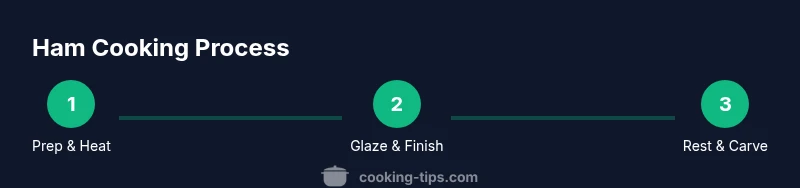
Think of the cooking process in three phases: prep and heat, glaze and crust formation, and rest and carve. In the first phase, get the oven to a steady temperature and position the ham on a rack over a roasting pan. In the second phase, monitor with a thermometer and brush on glaze in stages. In the final phase, remove from heat, tent if needed, and let it rest before carving. This structure keeps the meat tender and evenly heated.
Resting and carving guidance
Resting after roasting is essential for juicy slices. Let the ham rest for 10–15 minutes, loosely tented with foil. Carve along the natural grain for tenderness and slice thickness to your preference. Serve with simple sides that balance the sweet-savory glaze. Cleaning the pan and resting rack promptly after cooking keeps your kitchen safe and organized.
Reheating leftovers safely
If you have leftovers, refrigerate promptly in shallow containers to cool quickly. Reheat portions to steaming hot, checking the temperature with a thermometer. Avoid reheating multiple times; only reheat what you plan to eat in a single serving. This helps maintain texture and flavor while keeping food safe.
Flavor ideas and serving suggestions
Pair ham with roasted potatoes, green beans, or a bright fruit relish to balance salt and sweetness. A citrus or pineapple-based glaze can be delicious with a hint of pepper. For a ready-to-serve approach, complete the meal with crusty bread and a light salad. The goal is to keep the ham the star while offering complementary flavors.
Common mistakes and how to avoid them
Avoid overheating, which dries meat. Don’t glaze too early, as sugars can burn. Avoid opening the oven too often, which lowers heat and lengthens cooking time. Always rely on a thermometer to guide progress, not just time. Finally, don’t skip resting; slicing too early steals moisture.
Authority sources and further reading
- USDA Food Safety and Inspection Service: Cooking a ham safely
- CDC Food Safety: Safe food handling and temperature guidelines
- FDA Food Safety: Safe cooking temperatures and handling tips
Tools & Materials
- Roasting pan with rack(Large enough to hold the ham with space for air circulation)
- Meat thermometer (instant-read)(Two-step checking: one for the surface glaze, one for internal temperature)
- Oven(Preheat to 325–350°F (165–177°C) depending on recipe or ham type)
- Aluminum foil(Tent if glaze browns too fast or to keep warmth during resting)
- Glaze ingredients(Brown sugar, mustard, citrus zest, optional honey or maple syrup for sweetness)
- Carving knife and sharpener(For clean slices and easy portioning)
- Oven mitts(Heat protection when handling hot pans and racks)
- Paper towels(Pat surface dry before glazing for better browning)
Steps
Estimated time: 2-3 hours total (including resting)
- 1
Preheat oven and prep ham
Set your oven to 325–350°F (165–177°C) and remove packaging. If the ham is frozen, thaw completely in the fridge before cooking. Pat the surface dry to ensure the glaze sticks and the crust browns evenly.
Tip: Dry the surface well to improve browning and glaze adhesion. - 2
Score the surface and prepare glaze
Lightly score the ham surface in a diamond pattern to help flavors penetrate. Whisk your glaze ingredients (e.g., brown sugar, mustard, citrus zest) until smooth and glossy so you can brush smoothly.
Tip: Score only shallowly to avoid cutting too deep into meat. - 3
Position ham on rack in roasting pan
Place the ham fat-side up on a rack in a roasting pan. This allows hot air to circulate and the glaze to caramelize without sitting in rendered fat.
Tip: Ensure the pan is wide enough for even heat distribution. - 4
Roast and monitor with thermometer
Roast until the internal temperature approaches the target. Start checking a bit earlier than expected and use a thermometer to judge doneness rather than time alone.
Tip: Insert thermometer into the thickest part of the ham, avoiding bone. - 5
Baste and apply glaze in stages
Brush on a thin coat of glaze and recheck heat. Repeat every 15–20 minutes until the glaze forms a glossy crust without burning.
Tip: Apply in thin layers to prevent scorching. - 6
Finish glaze and rest
During the final stage, apply a last glaze layer and allow the ham to reach the target internal temperature. Remove from oven and rest, loosely tented, 10–15 minutes before carving.
Tip: Resting lets juices redistribute for moist slices. - 7
Carve and serve
Slice against the grain to maximize tenderness. Serve immediately with your chosen sides and a light pan sauce if desired.
Tip: Cut slices to your preferred thickness for enjoyment. - 8
Store leftovers safely
After serving, refrigerate any leftovers in shallow containers within two hours of cooking. Reheat to steaming hot before eating.
Tip: Label with date to track freshness.
Quick Answers
What is the best internal temperature for ham?
For fully cooked ham, reheat to a safe internal temperature as recommended on the package, then rest before serving. If starting from a raw ham, cook until the center reaches a safe temperature. Always verify with a meat thermometer.
Reheat until the center is hot and safe, then rest before slicing.
Should I baste or glaze a ham?
Glazing adds flavor and color; baste for moisture during roasting. Apply glaze toward the end of cooking so sugars don’t burn and the surface caramelizes nicely.
Glaze toward the end, basting as needed for moisture.
Can I use a fruit glaze with ham?
Yes. Fruit-based glazes, like pineapple or orange, provide bright sweetness that pairs well with pork. Balance with a touch of acidity and salt.
Fruit glazes work well; balance sweetness with acidity.
How do I thaw a ham safely?
Thaw in the refrigerator for best results, allowing 24 hours per 5 pounds. If you’re short on time, use cold water thawing and change the water every 30 minutes.
Thaw in the fridge if possible, or use cold water method if you’re pressed for time.
Is it okay to cook ham from frozen?
Cooking from frozen is not ideal; thawing improves even cooking and glaze adhesion. If you must cook from frozen, extend cooking time and monitor with a thermometer.
Better to thaw, but you can cook from frozen with adjusted time.
Watch Video
Top Takeaways
- Heat ham with thermometer-guided timing.
- Glaze late in roasting for a glossy crust.
- Resting is essential for juiciness.
- Slice against the grain for tenderness.