How to Cook Chuck Roast: Tender Braised Beef for Cozy Dinners
Learn how to cook chuck roast with step-by-step braising in the oven for fall-apart tenderness. Expert tips, flavor upgrades, and serving ideas from Cooking Tips.


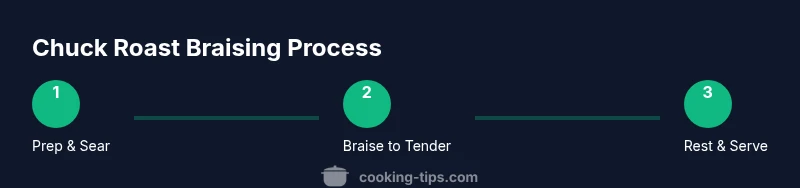
Master chuck roast by braising it slowly in flavorful liquid until fork-tender. Start with a hot sear to develop deep browning, then deglaze, add aromatics, broth, and wine. Braise covered at 325°F until the meat is meltingly tender, rest 15 minutes, and slice or shred for serving.
Why Chuck Roast Is Ideal for Tender Braises
Chuck roast comes from the shoulder and is richly marbled with connective tissue. When cooked slowly, collagen dissolves into gel, making the meat tender and juicy. This cut responds wonderfully to braising, which uses a small amount of liquid and long-moist heat to break down tough fibers. According to Cooking Tips, the natural structure of chuck benefits most from low heat, longer cooking times, and flavorful braising liquids. The result is slices or shreds that remain moist, even as they hold together. In this guide, you'll learn how to select, season, sear, and braise chuck roast for reliable weeknight dinners or impressive Sunday roasts.
Choosing the Right Chuck Roast
Look for a well-marbled piece with even color, slightly pink interior, and a clean, moisture-free surface. Boneless chuck roasts are easier to portion and slice, while bone-in versions can add flavor from the marrow and bone during braising. A 3- to 4-pound roast fits most family servings, with leftovers for sandwiches or hash. Check the grade (USDA Choice or Prime) if you want extra tenderness and fat, but don't overlook trimming excess hard fat yourself. Freshness matters: shop with a plan to slice after cooking, so you can adjust portion sizes. Packaging should be intact with no excessive liquid.
Essential Tools and Equipment
- Dutch oven or heavy, flame‑proof braising pot: the workhorse for searing and braising.
- Heavy skillet for searing (optional but helpful if you crowd the pan).
- Meat thermometer or instant-read thermometer for doneness checks.
- Cutting board, sharp chef’s knife, tongs, and wooden spoon.
- Measuring cups and spoons for liquids and aromatics.
- Oven or stovetop with a lid-safe vessel; a rack can help if using multiple pieces.
- Weighing scale or simple judgment to estimate your roast size and liquid level.
Note: The right tools help you achieve consistent browning and even braising without scorching the liquids.
Flavor-Building Ingredients for Chuck Roast
A classic braise uses a aromatic base: onion, carrot, and celery (mirepoix) plus garlic and herbs. Stock or broth provides moisture, while red wine or a small amount of tomato paste adds depth. Bay leaves, thyme, and rosemary are traditional companions. Salt and pepper are essential, and a touch of acid (wine or vinegar) can brighten the finish. If you prefer thicker sauce, have a bit of flour or cornstarch on hand for thickening at the end. Cooking Tips suggests balancing acid, fat, and salt for a round, deeply beefy sauce.
Preparing the Meat: Trimming, Dry-Brining, and Seasoning
Pat the roast dry with paper towels to encourage browning. Season generously with kosher salt and coarse pepper on all sides, massaging the surfaces so the spices stick. For deeper flavor, you can dry-brine 30-60 minutes in the fridge; this draws out surface moisture, allowing more browning during sear. If you have time, let the roast come closer to room temperature before browning to promote even cooking. The goal is a well-seasoned crust plus a juicy interior.
The Sear: Building Depth of Flavor
Preheat your pan until a drop of water sizzles. Sear the roast on all sides until deeply browned, about 3-4 minutes per side. Don’t crowd the pan; work in batches if necessary. The browning creates flavorful fond that will deglaze into the braising liquid. If using a Dutch oven, you can brown directly in the same pot; otherwise transfer to a plate and deglaze after searing. Deglazing with wine or stock picks up those caramelized bits and enriches the sauce.
Braising Basics: Liquid, Temperature, and Time
Return the roast to the pot and add aromatics. Pour in enough beef broth to come halfway up the meat; more liquid can be added if needed during cooking. Add wine if desired and simmer briefly to integrate flavors. Cover tightly and braise in a 325°F (165°C) oven, or simmer gently on the stove, until the meat is fork-tender (usually 2.5-4 hours). Check once or twice to ensure there is enough liquid, adding more hot broth if needed.
Doneness, Texture, and Resting
Check tenderness by inserting a fork: it should pull apart easily. If not, return to braise and test every 15-20 minutes. Once tender, transfer the roast to a cutting board to rest for 10-15 minutes; this helps the juices redistribute. Meanwhile, skim excess fat from the braising liquid and, if desired, reduce the liquid on the stove for a glossy sauce. Slice across the grain to maximize tenderness.
Finishing Touches: Resting and Serving
Resting is essential; slicing immediately can release juices. For a classic Sunday dinner, serve with mashed potatoes, buttered greens, and a ladle of the reduced braise. If you prefer a rustic presentation, pull apart the meat and mix with carrots and onions from the braising pot. A squeeze of lemon or a splash of vinegar at the end can brighten the sauce. Great leftovers include tacos, sandwiches, or a hearty hash.
Flavor Variations and Add-ins
Try different twists: swap red wine for beer or apple cider for a lighter finish; add mushrooms, pearl onions, or root vegetables to the braise. Fresh herbs like thyme and bay can be changed with rosemary or oregano; for a different regional style, add a touch of chili flakes or smoked paprika. Always adjust salt after adding liquids, and taste as you go. The result should be a balanced, deeply beefy sauce.
Common Mistakes and How to Fix
Common mistakes include under-searing, which leaves pale crust; over-potting, causing boiling rather than braising; too little liquid, leading to dry patches; and under-resting, which makes sauces greasy. Fixes: sear well, maintain gentle simmer, keep braising liquid at proper level, and rest before slicing. Cooking Tips notes that patience pays off: low-and-slow heat yields the best texture and flavor.
Quick Reference: Time, Temperature, and Servings
Time: 3-4 hours braising, plus 10-15 minute rest. Temperature: oven at 325°F (165°C). Servings: 6-8 depending on cut size and portions. Use this as a baseline; adjust for smaller or larger roasts, and for desired tenderness. Always check with a probe or fork for doneness.
Tools & Materials
- Beef chuck roast (3-4 lb, boneless)(Trimmed, patted dry; even thickness if possible.)
- Kosher salt(Generous, even coating on all sides.)
- Freshly ground black pepper(Coarse grind for a flavorful crust.)
- Neutral cooking oil (e.g., canola or grapeseed)(High smoke point for browning.)
- Beef broth (low-sodium)(4-6 cups; add more if needed.)
- Red wine (optional)(Adds depth if you include it.)
- Mirepoix vegetables (onion, carrot, celery)(Chopped; base for flavor.)
- Bay leaves, fresh thyme or rosemary(Herbs for aroma.)
- Garlic (optional)(Crushed cloves for aroma.)
- Heavy-duty pot (Dutch oven or cast-iron braising pot)(For searing and braising in one vessel.)
- Meat thermometer(To check tenderness and doneness.)
- Kitchen timer(Helpful for long braises.)
- Sharp knife and cutting board(Trimming and portioning.)
Steps
Estimated time: 3-4 hours
- 1
Preheat and prep
Preheat your oven to 325°F (165°C). Pat the roast dry, then season generously with kosher salt and pepper. Let rest 10-20 minutes to help the surface moisture evaporate for better browning.
Tip: Dry surfaces brown more evenly; don’t skip patting dry. - 2
Sear the roast
Heat oil in a heavy pot until shimmering. Sear the roast on all sides until deeply browned, about 3-4 minutes per side. Transfer to a plate when finished.
Tip: You want a deep, caramelized crust for flavor base. - 3
Deglaze the pan
Pour a splash of broth or wine into the pot and scrape up the browned bits with a wooden spoon. Let it simmer for 1-2 minutes to incorporate flavor.
Tip: The fond is where much of the flavor lives. - 4
Add aromatics
Return roast to the pot, add mirepoix (onion, carrot, celery), garlic if using, and the herbs. Pour in broth to come halfway up the meat.
Tip: Liquid should cover only part of the roast to allow some browning. - 5
Begin braising
Bring to a gentle simmer, then cover tightly and transfer to the oven. Maintain a low, steady temperature and let cook for 2.5-4 hours, until fork-tender.
Tip: Check liquid level occasionally and add hot broth if it looks low. - 6
Test tenderness
At the 2.5-hour mark, test a fork or skewer. If it slides in with little resistance, it’s close. Otherwise, braise longer, checking every 15-20 minutes.
Tip: Don’t rush; tenderness improves with time. - 7
Rest the meat
Remove the roast and let it rest on a cutting board for 10-15 minutes before slicing. This helps juices redistribute.
Tip: Resting improves juiciness and slice quality. - 8
Finish the sauce
Skim fat from the braising liquid and, if desired, reduce on the stove to a glossy sauce. Taste and adjust salt.
Tip: Concentrated liquid makes a richer sauce. - 9
Slice or shred
Cut across the grain for even slices. For pulled textures, shred the meat with forks after resting.
Tip: Slicing against the grain maximizes tenderness. - 10
Serve and store
Serve with mashed potatoes or polenta and vegetables. Refrigerate leftovers within 2 hours and use within 3-4 days or freeze.
Tip: Label and date leftovers for best quality.
Quick Answers
What cut of beef is chuck roast best for braising?
Chuck roast is ideal for braising due to its connective tissue and marbling. Slow, moist heat breaks down fibers and yields tender, flavorful meat.
Chunk roast works great for braising because the connective tissue breaks down slowly, making it tender.
Bone-in vs boneless chuck roast: which should I choose?
Bone-in chuck adds flavor from the marrow and can enrich the braising liquid, while boneless is easier to portion and slice.
Bone-in can add flavor; boneless is easier to portion.
How long should I braise chuck roast?
Most chuck roasts braise for 2.5 to 4 hours until fork-tender, depending on roast size and oven consistency.
Typically 2.5 to 4 hours, depending on size.
Can I use a slow cooker instead of an oven braise?
Yes. Transfer seared meat and aromatics to a slow cooker, add liquid, and cook on low for 8–10 hours or until tender.
Yes, you can use a slow cooker on low for 8–10 hours.
How should I store chuck roast leftovers?
Cool leftovers quickly, refrigerate within two hours, and use within 3–4 days or freeze for longer storage.
Cool and refrigerate within two hours; leftovers are good for a few days or freeze.
What side dishes pair well with chuck roast?
Classic choices include mashed potatoes, polenta, roasted vegetables, or buttered greens to soak up the sauce.
Pair it with mashed potatoes or polenta and some greens.
Watch Video
Top Takeaways
- Choose chuck for marbling and connective tissue that breaks down with slow heat
- Browning the meat and deglazing the pot build deep flavor
- Keep braising liquid at a gentle simmer and cover during cooking
- Let the meat rest post-cook to retain juices
- Finish with a glossy sauce and serve with comforting sides