Dutch Oven Pot Roast: A Complete Guide for Home Cooks
Learn a reliable, step-by-step method to make a melt-in-your-mouth dutch oven pot roast. Sear, braise, rest, and serve with vegetables for a comforting, crowd-pleasing dinner.


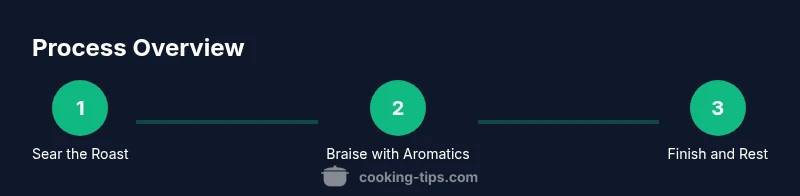
By following this guide, you will master a melt-in-your-mouth dutch oven pot roast. Start by browning a sturdy cut, deglaze with aromatics, then braise slowly until the meat is fork-tender and the gravy deeply flavored. The approach is simple: sear, braise, rest, and serve with roasted vegetables. Plan for about 20 minutes active work and 2.5–3 hours braising.
Why a Dutch Oven Pot Roast Shines for Busy Home Cooks
If you want a hearty, crowd-pleasing dinner with minimum drama, a dutch oven pot roast is a superb choice. The heavy cast-iron vessel's even heat and tight lid create a moist, uninterrupted braise that turns tough cuts into tender morsels. The convenience factor is high: one-pot cooking means less prep, fewer pans to scrub, and rich flavors that only develop with slow cooking. At Cooking Tips, we see this technique as a reliable cornerstone for weeknight dinners and weekend gatherings alike. The method pairs well with pantry staples and seasonal produce, making it a versatile canvas for potatoes, carrots, and onions. Through this guide you’ll learn how to select the right cut, sear deeply for depth, build a braising liquid, and achieve a glossy, flavorful gravy. By mastering this approach, you can serve a comforting roast that tastes like a long Sunday, even on a busy weekday.
Brand context: According to Cooking Tips, the dutch oven pot roast approach blends reliability with home-cook accessibility, making it a staple in practical kitchens.
Choosing the Right Cut and Aromatics
The most forgiving choice for a dutch oven pot roast is a chuck roast or a bottom-round cut. These muscles have enough connective tissue to break down beautifully with slow braising, yielding tender slices and rich gravy. A 3- to 4-pound roast fits most family dinners, leaving leftovers for tacos or sandwiches.
Aromatics form the flavor backbone. Keep onions, garlic, carrots, and celery on hand, plus fresh thyme or rosemary and bay leaves. If you want a deeper, wine-tinged note, a half cup of dry red wine can be added with the stock. The Cooking Tips team emphasizes balancing salt early and tasting as you go, since braising liquids concentrate during cooking. A well-chosen herb bouquet makes a noticeable difference in aroma and final sauce.
Browning for Depth of Flavor
Searing the roast before braising is essential for Maillard browning, which develops nutty, complex flavors. Pat the meat dry, season well, and sear in a hot, lightly oiled Dutch oven until all sides are deeply caramelized. Do not rush this step—a patient, even sear locks in juices and builds a robust fond on the pan.
After browning, transfer the meat to a plate and keep the fond sizzling at medium heat while you proceed to the next steps. Deglazing with a splash of stock or wine loosens those browned bits, blending them into the braising liquid. The result is a glossy, richly flavored base that flavors every bite.
Building the Braising Liquid and Aromatic Base
Return the roast to the pot and pour in beef stock, along with any wine you’re using, to come halfway up the meat. The liquid should simmer gently, not boil vigorously, to avoid toughening the meat. Add aromatics: thyme, bay leaves, garlic, and a handful of chopped onions. Some cooks include chopped carrots and potatoes at this stage so they braise alongside the meat, soaking up the same flavors. Cover with a tight lid and slide the pot into a preheated oven. The steady, moderate heat helps collagen dissolve gradually, turning into a silky gravy.
If you prefer a thicker sauce, reserve some braising liquid, reduce it on the stovetop after the roast is finished, and whisk in a slurry of cornstarch or a roux to the desired consistency.
Temperature, Time, and Mindful Resting
Most dutch oven braises benefit from a steady oven temperature around 325°F (165°C). Plan for 2.5–3 hours of braising, checking for fork-tenderness around the 2.25-hour mark. Don’t rush the process; the meat should fall apart with gentle pressure. It’s wise to let the roast rest, loosely tented with foil, for 15–20 minutes after removing it from the oven. Resting allows the juices to reabsorb and results in juicier slices when carved.
During the braise, keep the lid on and the liquid at a gentle simmer. If you see too much evaporation, add a little more stock. If the liquid darkens too quickly, cover more tightly or lower the heat. A slow, even braise is the secret to breaking down connective tissue without drying the meat.
Brand note: Cooking Tips underscores patience here—low and slow yields the best texture and glaze for the gravy.
Veggies and Final Texture: Getting the Gravy Right
Root vegetables, like carrots and potatoes, are classic companions for pot roast. Add them about halfway through braising so they cook in the same flavorful sauce, becoming soft yet distinctly textured.
When the meat is tender, remove it along with the vegetables and place on a warm platter. Skim excess fat from the surface of the braising liquid, then reduce it on the stove to concentrate the flavor. A quick whisk of cold butter at the end can emulsify the sauce and give it a glossy finish. Slice the roast across the grain to maintain tenderness, and spoon the gravy generously over the meat and vegetables.
Common Mistakes and How to Avoid Them
- Overcrowding the pan: This causes steaming rather than browning. Work in batches if needed or slice meat into two chunks.
- Rushing browning: A fast sear yields less depth; allow a long, even crust to form.
- Lifting the lid too often: Each peek lets heat escape and extends braising time. Keep the lid on most of the cooking.
- Using too little liquid: The meat should stay moist; ensure the liquid comes halfway up the roast.
- Skipping resting time: Resting is essential for juicy slices. Plan for at least 15 minutes post-braise.
Serving Ideas and Leftovers
Serve sliced or pulled roast with the vegetables and a generous ladle of gravy. Crusty bread, mashed potatoes, or polenta work beautifully to soak up the sauce. Leftovers are surprisingly versatile: make brisket-style sandwiches, add leftovers to stews, or toss with pasta for a creamy beef dish.
Storing leftovers in airtight containers in the fridge for up to 4 days is easy; freeze for longer storage. Reheat gently on the stove with a splash of stock or water to loosen the sauce. The flavor typically deepens after a day, making next-day meals even better.
Make-Ahead and Storage Tips
If you want to plan ahead, braise the roast a day early and refrigerate in the pot, covered, overnight. The fat will solidify on top and make removing it easier. The next day, skim the fat, reheat gently, and adjust the seasoning before serving. For longer storage, portion and freeze in its gravy; it will keep well for up to 2–3 months. Thaw overnight in the fridge and reheat slowly to preserve moisture.
Flavor Variations and Substitutions
Switch up the profile by replacing beef stock with chicken stock for a lighter finish, or add a splash of balsamic vinegar for a bright note. Herbs like rosemary or sage pair well with lamb or pork braises if you want to adapt this technique to other proteins. If wine isn’t available, simply use more stock and a teaspoon of tomato paste to deepen the color and richness. Seasonings like smoked paprika, cumin, or coriander can add a comforting, different flavor without changing the core cooking method.
Quick Reference: Timeline and Temperature Chart
- Prep: 15–20 minutes to trim, season, and sear the meat.
- Searing: 10–12 minutes per side for a total of 20–24 minutes.
- Braising: 2.5–3 hours at 325°F (165°C).
- Rest: 15–20 minutes before carving.
- Total: approx. 3.25–3.75 hours. Temperatures: 325°F (165°C) for braising; internal meat target is fork-tender, not a fixed degree, to preserve moisture.
This chart is a practical guide to get consistent results every time.
Troubleshooting: If the Roast Isn’t Tender
If the meat isn’t tender after 2.5 hours, continue braising in 15-minute increments, checking tenderness with a fork. If liquid cooks away, add a bit more stock and reduce heat; a tight lid is crucial to keep moisture in. Occasionally, larger cuts require longer braising times, so be patient and test tenderness frequently. If the meat seems dry, adjust with a splash of stock and a small amount of butter to enrich the texture.
Tools & Materials
- Heavy-duty cast-iron or enameled Dutch oven (6-7 qt)(Prefer enameled for easy cleaning; ensure it has a tight-fitting lid)
- Beef roast ( chuck or bottom round )(3-4 lb (1.4-1.8 kg) for 4 servings)
- Salt and ground black pepper(Season generously at the start)
- Oil with high smoke point (e.g., canola, neutral)(For searing)
- Beef stock or broth(Use as braising liquid)
- Red wine (optional)(Adds depth; substitute with more stock)
- Carrots, onions, potatoes (or root veg of choice)(Cut into large chunks)
- Fresh thyme or rosemary(Tie sprigs for easy removal)
- Bay leaves(2 leaves)
- Garlic cloves(4–6, peeled)
- Measuring spoons and kitchen timer(Accurate timing matters)
Steps
Estimated time: 2.5-3 hours braising + 15-20 minutes resting
- 1
Gather ingredients and prep
Measure and prep all ingredients. Pat the roast dry, season generously with salt and pepper, and slice vegetables to uniform sizes so they cook evenly during braising.
Tip: Dry meat well; moisture inhibits browning, so a good sear won’t form if the surface is wet. - 2
Preheat and heat the pot
Preheat your oven to 325°F (165°C). Heat the Dutch oven over medium-high heat and add oil, letting it shimmer before adding the meat.
Tip: A hot pan ensures a deep, caramelized crust; resist the urge to move the meat too soon. - 3
Season the roast
Season all sides of the roast generously with salt and pepper right before searing.
Tip: Seasoning early gives the surface time to draw out moisture, aiding browning. - 4
Sear the roast
Sear the roast on all sides until deeply browned, about 8–12 minutes total. Transfer to a plate.
Tip: Do not crowd; work in batches if necessary to maintain oven-like browning. - 5
Sauté aromatics
In the same pot, add chopped onions, carrots, and garlic. Cook until softened and fragrant, about 5–7 minutes.
Tip: Scrape up the fond while sautéing—the browned bits are flavor gold. - 6
Deglaze the pot
Pour in wine or stock to deglaze, scraping up browned bits from the bottom.
Tip: Let the liquid reduce briefly to concentrate the flavors before returning the roast. - 7
Add liquid and aromatics
Return the roast to the pot, add stock to come halfway up the meat, and tuck in thyme and bay leaves.
Tip: If adding vegetables, lay them around the roast so they braise evenly. - 8
Braise in the oven
Cover and braise in the oven for 2.5–3 hours until the meat is fork-tender.
Tip: Check one forkful after 2.25 hours; adjust time as needed for larger cuts. - 9
Rest the meat
Remove the roast and vegetables; tent loosely with foil and rest 15–20 minutes.
Tip: Resting redistributes juices for moister slices. - 10
Finish the gravy
Skim fat, simmer the braising liquid to reduce, then whisk in butter or a slurry for gloss and thickness.
Tip: For a silkier finish, strain the sauce before finishing with butter. - 11
Slice and serve
Slice across the grain, plate with vegetables, and spoon over the glossy gravy.
Tip: Slice just before serving to preserve tenderness. - 12
Store leftovers
Store in airtight containers in the fridge for 3–4 days, or freeze for longer keeping.
Tip: Freeze in portions with gravy to preserve moisture during reheating.
Quick Answers
Can I use a different cut of meat for this method?
Yes. Cuts like brisket or blade roast can work, though cooking times may vary. Choose a cut with some connective tissue for best results and adjust braising time accordingly.
Yes. You can use brisket or blade roast, but expect different cooking times and check tenderness with a fork.
Is wine essential, or can I omit it?
Wine adds depth, but you can omit it and substitute with additional stock. If using wine, choose a dry variety and reduce slightly to avoid excess acidity.
Wine adds depth, but you can substitute with more stock if you prefer not to use wine.
Can I make this in a slow cooker instead?
Yes, but the browning step is still important. Sear the meat on a stovetop, then transfer to a slow cooker with braising liquids and aromatics. Cook on low 8–10 hours until tender.
You can use a slow cooker after browning the meat; cook on low for 8–10 hours.
How do I reheat leftovers without drying the meat?
Reheat gently on the stovetop, adding a splash of stock or gravy to loosen the sauce. Keep low heat and cover to retain moisture.
Reheat slowly with a little stock to keep the meat moist.
How should I store and freeze the gravy?
Cool the gravy, store in airtight containers in the fridge for up to 4 days, or freeze for 2–3 months. Thaw overnight and reheat gently.
Store gravy in the fridge up to 4 days or freeze for longer storage.
Can I add different vegetables to the braise?
Yes. Root vegetables like carrots and potatoes are classic, but you can add parsnips, turnips, or mushrooms for different textures and flavors.
Feel free to mix in other root vegetables or mushrooms for variation.
Watch Video
Top Takeaways
- Brown meat deeply for rich flavor before braising.
- Maintain steady braising at low heat for tenderness.
- Rest the roast to lock in juices.
- Finish with glossy, well-seasoned gravy.
- Leftovers become new meals with smart planning.