Can You Cook If You Have the Flu? A Safe Sick-Day Guide
Learn practical steps to cook safely when you have the flu, with gentle meal ideas, easy methods, and essential safety guidance from Cooking Tips.


Can you cook if you have the flu? Yes, but with limits. Prioritize safety and gentle meals that don’t tax your body. Opt for simple, thoroughly cooked foods, avoid raw ingredients, and keep hydration high. Use quick, low-effort methods (microwave, one-pot simmer), sanitize surfaces, and don’t push through severe symptoms—when in doubt, rest and seek care.
Safety First: Health and kitchen hygiene when you have the flu
Recovery starts with rest, fluids, and smart decisions in the kitchen. According to Cooking Tips, fatigue and fever mean you should limit exertion and avoid risky tasks. Start by assessing your symptoms: if you have a high fever, severe body aches, or dehydration, prioritize rest and fluids and postpone any cooking that requires prolonged effort. Even when you can cook, keep sessions short (15–20 minutes) and choose gentle foods that are easy to digest. Practice strict hygiene to protect others: wash hands before handling any food, sanitize counters, and use clean utensils and cutting boards. If you must prepare food, assign all high-risk tasks to someone healthy in the household or delay until you’re feeling noticeably steadier. This approach lowers the risk of cross-contamination and reduces your exposure to fatigue-related mistakes. In all cases, listen to your body: hunger is a cue, not a command, and rest is a legitimate part of healing. The Cooking Tips team emphasizes safety as the foundation for any sick-day kitchen plan.
Simple, flu-friendly meal ideas that are easy to pull together
When energy is low, meals should be soothing, thoroughly cooked, and require minimal effort. Good options include a warm broth or soup with vegetables, oatmeal topped with fruit, plain yogurt smoothies, scrambled eggs, and well-cooked grains like rice or quinoa. For each, aim for gentle textures and mild flavors. Buy ready-made broth or stock to cut prep time, and keep pantry staples on hand so you can assemble a bowl without running to the store. Hydration plays a role in how well you recover, so pair meals with water, herbal tea, or electrolyte drinks. If you crave something starchy, try a small bowl of well-cooked rice with a soft-boiled egg or a simple bowl of porridge. These choices provide energy without heavy digestion and reduce the energy cost of cooking while you’re under the weather. As always, practice safe handling and avoid raw ingredients or undercooked proteins.
How to maximize safety using basic kitchen tools
Even on low-energy days, safe cooking hinges on the right tools. Use a digital thermometer to ensure proteins are fully cooked, especially poultry. Keep separate cutting boards for raw proteins and other foods to prevent cross-contamination. Wash hands frequently and sanitize surfaces and utensils before and after food prep. Use covered containers to store leftovers promptly and reheat until steaming hot. Have a clean dish towel and scrub brush handy to simplify cleanup, which reduces fatigue and lowers infection risk. If you’re too weak to manage these steps, consider delegating to a healthy household member or postponing cooking until you’re steadier. The goal is to minimize risk while still meeting hydration and energy needs.
Cooking methods that fit low-energy days
Favor methods that maximize safety with minimal effort. The microwave can heat soups, grains, and reheated meals quickly and evenly if covered to prevent splatter. One-pot or sheet-pan meals reduce transfer between dishes and simplify cleanup. A slow cooker or instant pot can handle simmering brothy options while you rest, but ensure you can safely operate the appliance if you’re dizzy or febrile. For all methods, aim for fully cooked, soft textures that are easy to digest. Keep cooking times short and stop if you feel faint, dizzy, or overwhelmed. These approaches help you stay nourished without exhausting yourself.
Ingredient prep and workflow when you're fatigued
Plan ahead so you don’t scramble while you’re not feeling well. Keep a short list of flu-friendly ingredients: well-washed vegetables, pre-cut onions, ready-made broth, eggs, oats, yogurt, and pre-cooked grains. Line up utensils within arm’s reach and lay out bowls and towels before you start. If you must cut vegetables, use a stable cutting surface and take small, controlled cuts. Consider pre-washed greens and pre-grated cheese to cut prep time. By organizing the workflow, you minimize the mental load and conserve energy for recovery.
Hydration, nutrition, and symptom management
Fluids support fever management and throat comfort. Sip warm broths, herbal teas, or electrolyte drinks throughout the day, even when you don’t feel hungry. Pair higher-protein, easily digestible foods like oatmeal with yogurt smoothies to maintain energy. If your symptoms include coughing or congestion, opt soups with soft, well-cooked vegetables and avoid dairy before bed if it seems to worsen mucus for you. Be mindful of caffeine and alcohol, which can dehydrate. Always track intake and listen to your body; appetite can fluctuate dramatically on a flu day, and hydration is often the best medicine you can give yourself.
Examples: 3 easy flu-friendly recipes
- Quick chicken and rice soup: simmer shredded chicken, cooked rice, carrots, and soft greens in broth until everything is tender. 2) Creamy oats with fruit: simmer oats in water or milk to a soft porridge, top with sliced banana or berries. 3) Scrambled eggs with toast and steaming vegetables: gently cook eggs and serve with soft vegetables on warm toast. Each option relies on thoroughly cooked ingredients, easy textures, and minimal prep. Adjust salt and spice conservatively to avoid throat irritation.
When to pause cooking and seek medical care
If fever spikes above 102°F (38.9°C) or you experience severe dehydration, confusion, chest pain, or inability to keep fluids down, stop cooking and seek medical attention. Fatigue and body aches can mask warning signs; don’t push through dangerous symptoms. Rest, hydration, and early medical guidance reduce complications and support a faster, safer recovery. The Cooking Tips team emphasizes that sick-day cooking should never replace professional care when danger signs appear.
Quick flu-friendly recipe: soothing chicken and rice soup (sample workflow)
- Ingredients: 1 cup cooked chicken, 1/2 cup cooked rice, 2 cups low-sodium broth, 1 carrot (finely chopped), 1 small onion (diced), and a handful of greens. - Steps: 1) In a microwave-safe pot, sauté onion and carrot in a little broth until soft. 2) Add remaining broth, chicken, and greens; bring to a gentle simmer. 3) Stir in cooked rice and simmer 5–7 minutes until flavors meld. 4) Taste and adjust salt lightly. 5) Serve warm and rest. Note: ensure all ingredients are cooked through before eating.
Tools & Materials
- Microwave-safe pot or bowl(For reheating and simple cooking)
- Cutting board (prefer separate boards for raw proteins)(Reduces cross-contamination risk)
- Sharp knife(Keep blades stable; cut slowly if dizzy)
- Measuring cups/spoons(Accurate portioning and consistent results)
- Food thermometer(Check internal temperatures (poultry 165°F))
- Thermometer for liquids(Useful for heating broth safely)
- Sealed containers(Store leftovers promptly)
- Dish soap and scrub brush(Keep surfaces clean between tasks)
Steps
Estimated time: 30-45 minutes
- 1
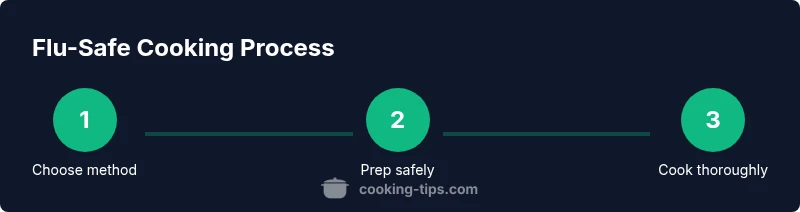
Choose a safe method
Decide on a low-effort method (microwave or one-pot) to minimize fatigue. This reduces the chance of mistakes when you’re unwell. Gather ingredients first to prevent mid-cook disruptions.
Tip: Lay out ingredients and tools within arm’s reach. - 2
Gather ingredients and tools
Collect all required ingredients and equipment before you start to avoid extra trips. This keeps the cooking session short and focused on safety.
Tip: Open packaging and prep surfaces beforehand to reduce pauses. - 3
Prep with care
Wash hands, sanitize the workspace, and do minimal chopping if you’re tired. Use small, controlled cuts and keep a tidy counter to prevent mishaps.
Tip: Use pre-cut or soft vegetables if available. - 4
Cook thoroughly to kill microbes
Cook proteins to safe temperatures and heat grains until fully tender. Use a thermometer to verify doneness and avoid undercooked foods.
Tip: Do not rely on color alone to judge doneness. - 5
Check texture and seasonings
Taste small portions with a clean spoon and adjust flavors gently. If you’re sensitive, keep salt light and avoid spicy additions.
Tip: If taste is muted due to illness, adjust gradually. - 6
Store safely and rest
Cool leftovers quickly and refrigerate within two hours. Reheat to steaming hot before eating again and prioritize rest to aid recovery.
Tip: Label containers with date and contents.
Quick Answers
Is it safe to cook if I have the flu?
Yes, with precautions: choose simple meals, clean surfaces, avoid cross-contamination, and keep sessions short.
Cooking can be safe if you’re careful; start with simple meals and clean work areas.
What foods are best when you have the flu?
Tender, cooked foods like soups, oats, yogurt, and smoothies are gentle on the stomach. Avoid raw foods and spicy items that irritate the throat or nose.
Go for easy-to-digest options like soup, oats, and yogurt.
Can I use a microwave while sick?
Yes. It’s convenient for quick meals, but cover bowls to prevent splatter and heat evenly.
Microwave meals can be a real helper when you’re under the weather.
Should I avoid cooking completely if fever is high?
If fever is high or fatigue is severe, rest and fluids come first. Postpone cooking and seek medical advice if symptoms persist.
Rest and hydration come first when you’re very sick.
What about food safety and cross-contamination?
Use separate boards and utensils; wash hands frequently; sanitize surfaces; refrigerate leftovers promptly.
Keep foods separate and clean to stay safe.
Watch Video
Top Takeaways
- Prioritize safety and rest on sick days
- Choose ultra-simple recipes to minimize energy use
- Use microwave or one-pot methods to save steps
- Hydration and gentle nourishment support recovery
- Seek care if symptoms worsen or red flags appear