Can You Cook While Sick? Safe Sick-Day Cooking Guide
Learn practical, safe ways to cook when you're sick. This guide covers simple recipes, hygiene, reheating safety, and when to rest instead of cooking.


Yes, you can cook while sick for mild symptoms, but only if you feel capable and your energy allows. Choose simple, safe meals that require minimal prep, maintain strict hygiene, and avoid handling food if fatigue or fever is present. When in doubt or if symptoms worsen, opt for ready-to-eat foods or have someone else help.
Can You Cook While Sick? Practical Guidance for Home Cooks
Many home cooks wonder if it's wise to cook while feeling under the weather. The short answer is: it depends on how you feel and what your symptoms are. According to Cooking Tips, you can manage safe, low-effort meals when you're mildly ill, but you should stop cooking if you develop a fever, severe fatigue, or vomiting. The goal is nourishment with minimal strain and a reduced risk of spreading germs to others. In this guide, we'll walk you through sensible decisions, hygiene practices, and simple recipes that keep you comfortable while you stay nourished. By prioritizing rest, hydration, and careful food handling, you can support recovery without turning a sick day into a kitchen fiasco. Remember: if you're uncertain, err on the side of caution and choose ready-to-eat options or opt to heat foods you prepared earlier. The Cooking Tips team emphasizes safety first, then practical cooking when appropriate.
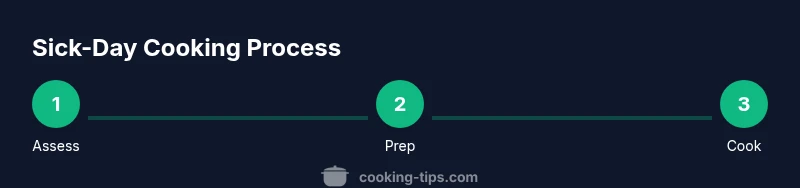
Assessing Your Illness: When Cooking Is Safe
Before turning on a burner, assess how you feel. If your energy is very low, breathing is labored, or you have trouble concentrating, cooking may be unsafe. Cooking Tips analysis shows that many readers underestimate how exhausting small kitchen tasks can feel when sick, so start with a single, simple task rather than a full recipe. If you can stand, breathe normally, and keep a phone nearby in case you need help, light duties like reheating gentle soups or warming a mug of tea are reasonable. Prioritize foods that require minimal chopping, stirring, or babysitting a hot pot. Never cook around others who are immunocompromised or children if you’re actively contagious. If symptoms worsen, postpone cooking and rest instead.
Before You Start: Safety and Hygiene Basics
Clean surfaces, wash hands for at least 20 seconds, and sanitize utensils before and after contact with raw ingredients. Wear a clean apron or clothing barrier to avoid spreading germs. Use separate cutting boards for raw proteins and produce; if you don’t have a second board, wipe and sanitize between uses. Keep hot foods hot and cold foods cold; use the fridge promptly to prevent bacterial growth. If you’re coughing or sneezing, pause cooking and wash hands again after you stop. These steps reduce cross-contamination and protect others in the household.
Choosing Simple, Safe Recipes
Look for recipes with a single pot or minimal steps. Soups, stews, porridge, and rice bowls are reliable choose-to-cook options when you’re under the weather. Choose cooked ingredients you already know are safe in your pantry, and avoid raw eggs or undercooked poultry. Use ready-to-heat ingredients or leftovers to minimize prep time. Plan to store only what you’ll use within a day or two so you don’t risk spoilage. If you’re worried about texture or digestion, opt for gentle options like chicken soup, congee, oats, or mashed potatoes.
Sanitization and Cross-Contamination Avoidance
Treat every kitchen task with care. Wash hands between tasks, sanitize cutting boards, and keep towels clean. Never place cooked food on surfaces that previously held raw meat without cleaning first. When dealing with dairy or dairy alternatives, keep containers closed and use clean spoons. For sick days, avoid double-dipping or tasting foods with a spoon you’ve used for raw ingredients. If you share utensils or plates, use disposable options or designate items for the sick day.
Tools and Setups for When You’re Under the Weather
Set up a compact, easy-to-clean station near the stove. A small pot, a single pan, a sharp knife, and a ladle are enough for many safe meals. Keep a bottle of hand sanitizer, paper towels, and a dish towel within reach. If energy is very low, consider a slow cooker or an electric kettle to simplify heating, but only if you can monitor it safely. A thermometer is essential for checking that leftovers or reheated foods reach safe temperatures.
Hydration and Nutrition: Foods That Help When Sick
Hydration is critical; sip water, herbal tea, or an electrolyte solution between bites. Choose meals that are gentle on the stomach but nourishing: broth-based soups, oatmeal, yogurt, bananas, toast, rice, applesauce. Include small portions of protein when possible, such as plain chicken, lentils, or tofu if tolerated. Avoid heavy, spicy, or fried foods that can irritate the gut. Pay attention to food safety, since nausea can lead to accidental contamination if you’re not careful.
Quick Meal Ideas You Can Make in 20 Minutes
Here are three quick, sick-day-friendly meals you can pull off in about 20 minutes; each uses minimal ingredients and requires little hands-on time.
-
Quick chicken-rice soup: Sauté onion briefly, add diced chicken, carrot, and rice with broth. Simmer until everything is tender, stirring occasionally to prevent sticking. Finish with a pinch of salt and a squeeze of citrus if available. This one-pot option delivers warmth and comfort without heavy effort.
-
Mug oats with yogurt and fruit: Combine quick oats with hot water or milk in a mug or small pot, cook briefly, then top with yogurt and sliced fruit. It’s gentle on the stomach and provides protein from yogurt.
-
Veggie-congee: Use leftover rice with extra broth and finely chopped vegetables. Simmer until very soft, then season lightly. This dish is easy to digest and soothing when you’re under the weather.
Common Myths About Cooking When Sick
Many people believe a fever or sore throat means you should push through fatigue and keep cooking for everyone. In reality, your body needs rest and fluids most on sick days. Another myth is that microwaving foods is always unsafe; modern microwaves can safely reheat leftovers to safe temperatures if used properly. A third misconception is that you must eat heavy meals to recover; light, nourishing foods are often more tolerable and just as effective for recovery. Finally, some think you can sanitize poorly by simply scrubbing a surface once; consistent cleaning is key to preventing cross-contamination.
When to Avoid Cooking and Seek Medical Care
If you experience persistent vomiting, signs of dehydration, confusion, chest pain, shortness of breath, or symptoms lasting more than a few days, seek medical care. Don’t rely on home cooking to treat serious illness. In these cases, rest, fluids, and professional guidance are essential. If you live with others who are vulnerable or immunocompromised, minimize risk by using prepared foods or asking someone else to help until you’re better. Always prioritize safety over pride on sick days.
Safe Leftovers and Reheating
Store leftovers promptly in shallow containers and reheat to steaming hot, ideally above 165°F (74°C). When reheating, stir to ensure even temperature; discard any leftovers that have been sitting for more than 3-4 days. Reheat only once if possible to reduce risk of foodborne illness. If you have a sore throat or nausea, consider smoothing texture by blending soups or mashing grains to a comfortable consistency.
Preparing for the Next Sick Day: A Simple Plan
Plan ahead so sick days don’t derail meals. Keep a pantry stocked with easy-to-prepare items: broth, canned beans, rice, oats, crackers, fruit, yogurt, and teeth-light snacks. Maintain a small kit near the stove with sanitizer, towels, and a dedicated cutting board. Create a weekly backup menu that emphasizes one-pot meals and reheatable staples. Finally, prepare in advance and build a routine that includes rest, hydration, and prepared meals you can heat quickly rather than starting from scratch when you feel weak. The Cooking Tips team recommends planning ahead to reduce risk and keep sick days manageable.
Tools & Materials
- Dish soap and clean sponge(For quick washing between tasks and after handling raw ingredients)
- Stable food-safe cutting boards (at least 2)(One for raw proteins, one for produce; sanitize between uses)
- Sharp knife (chef’s knife)(Efficient chopping with fewer passes)
- Instant-read thermometer(Check that proteins and reheated foods reach safe temps)
- Measuring cups/spoons(Accurate portions for simple meals)
- Hand sanitizer and clean towels(Maintain hygiene and wipe surfaces quickly)
Steps
Estimated time: 30-45 minutes
- 1
Assess symptoms and set a safe goal
Take a moment to evaluate energy level, dizziness, and fever. If you’re too weak, coughing severely, or dehydrated, choose rest or a very simple task like reheating broth rather than cooking a new dish. This step prevents overexertion and reduces risk to yourself and others.
Tip: If you’re uncertain, start with emptying the kettle or reheating a safe ready-to-eat item first. - 2
Prepare a clean workspace
Clear a small, easy-to-clean area near your cooking space. Wipe surfaces, wash hands, and set out only the tools you’ll need for the task. Minimizing clutter reduces confusion when you’re under fatigue.
Tip: Keep a damp cloth handy to wipe spills quickly and avoid spreading germs. - 3
Choose a safe, simple recipe
Opt for one-pot meals or reheating existing leftovers. Favor gentle flavors and soft textures that are easy to digest. Avoid raw eggs, undercooked poultry, and foods that require constant high attention.
Tip: If unsure about ingredients, use a ready-to-heat option from your fridge or pantry. - 4
Prep ingredients with hygiene in mind
Wash produce, open canned items with a clean can opener, and avoid cross-contamination by keeping raw proteins separate. Use a clean cutting board for each type of ingredient if possible.
Tip: Sanitize knives and boards between uses to prevent cross-contact. - 5
Cook to safe temperatures and textures
Cook foods thoroughly and keep heat at a steady level to prevent scorching. Use the thermometer to confirm safe temperatures for proteins and reheated dishes.
Tip: Stir occasionally to promote even heating and prevent hotspots. - 6
Cool, store, and sanitize
Cool any leftovers quickly in shallow containers and refrigerate promptly. Reheat leftovers to steaming hot before serving and clean all surfaces after cooking.
Tip: Label containers with dates to track freshness and minimize waste.
Quick Answers
Is it safe to cook with a fever?
A fever can indicate illness and fatigue; cooking while feverish is generally not recommended. If you feel weak or dizzy, rest and seek guidance. When symptoms are mild and you feel capable, take basic safety precautions and choose simple meals.
If you have a fever, it's best to rest. Only cook if you feel clearly capable and keep it very simple; otherwise, rest and hydrate.
What foods are best when you're sick?
Gentle, nourishing foods like soups, oats, yogurt, bananas, and plain rice are often well tolerated. Avoid heavy, spicy, or fried foods that can upset the stomach. Hydration is essential.
Try soups, oats, yogurt, and bananas for easy digestion and steady energy.
How can I avoid spreading germs while cooking?
Wash hands frequently, sanitize surfaces, use separate boards for raw meat and produce, and avoid sharing utensils. If you’re contagious, consider using disposable items for the sick day.
Wash hands often and keep raw and cooked foods separate to prevent spread.
Microwave vs stove for reheating when sick?
Microwaves are convenient for quick reheating and can be safe if foods reach safe temperatures. Stovetop cooking is fine for small dishes if you can manage heat safely.
Microwave reheats quickly; ensure thorough heating to a safe temperature.
When should I seek medical help instead of cooking at home?
If you have persistent vomiting, signs of dehydration, chest pain, confusion, or symptoms lasting several days, seek medical advice. Do not rely on cooking to treat serious illness.
If symptoms are worsening or concerning, contact a clinician promptly.
Watch Video
Top Takeaways
- Cook simple, safe meals when symptoms are mild
- Prioritize hygiene to prevent spreading germs
- Use ready-to-heat options or leftovers when unsure
- Plan ahead for future sick days with staples