Can You Cook If You Have COVID? Safe Home Cooking Tips
Explore when it's safe to cook if you have COVID, how to minimize risk in the kitchen, and simple, low-effort meal ideas. Practical guidance from Cooking Tips for home cooks.


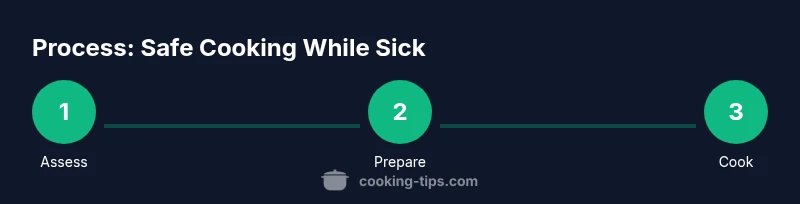
Yes, you can cook if you have covid, but only under strict safety conditions and when your symptoms permit. Start with a quick health check, assess fatigue, fever, and breathlessness; if you feel capable, choose simple, low-effort tasks and avoid handling hot oil or open flames for long periods. When in doubt, opt for safer, ready-made meals or assistance.
Can you cook if you have COVID? Key safety principles
According to Cooking Tips, cooking while sick hinges on symptom severity, energy levels, and the ability to maintain hygiene and ventilation. The Cooking Tips team found that many home cooks can safely participate in light kitchen tasks when symptoms are mild, provided they have a plan to protect themselves and others. This means prioritizing safety: minimize the use of hot surfaces, keep tasks short, and maintain strong hand hygiene and surface cleaning. If fever, dizziness, shortness of breath, or chest tightness are present, the safest choice is to rest and hydrate rather than cook. If you’re coughing or experiencing severe fatigue, the safest choice is to rest, hydrate, and postpone cooking. If you decide to cook, keep tasks short, non-spill, and well-ventilated, with clear buffers between raw and cooked foods. Also, sanitize after every action and wash hands thoroughly before touching ingredients or equipment. The goal is to reduce fatigue, limit the risk of transmission to others, and avoid accidents in a compromised state. With careful planning, a sick person can still contribute to meals in small, controlled ways, but safety must come first. Additionally, consider whether others in the home might benefit from handling core tasks like grocery shopping or dishwashing to reduce your exposure.
Assessing your symptoms before you cook
Before turning on any burner or opening a package, perform a quick self-assessment. If you have a fever, persistent coughing, dizziness, chest tightness, or shortness of breath, postpone cooking and focus on rest, fluids, and symptom relief. If you feel surprisingly energetic and your symptoms are mild, plan to complete only a couple of simple steps rather than a full meal preparation. Pay attention to fatigue; if you begin to feel drained, stop immediately and switch to no-heat or no-cook options. For many people, the decision comes down to how well you can safely maintain balance, reach hot surfaces, and manage sharp tools without risking accidents. Always err on the side of caution when you’re unwell. The Cooking Tips team emphasizes that if you’re uncertain, it’s safer to rest and sip fluids and follow up with a healthcare professional if symptoms worsen.
Safer cooking strategies when you're under the weather
When illness strikes, prioritize safety-first kitchen habits. Start with options that minimize heat exposure and handling of hot oil or open flames. Use ready-to-assemble ingredients, microwaves, or no-cook meals whenever possible. Break the task into tiny chunks: wash produce, assemble a pre-made base, and add a simple topping. If you must cook, keep sessions short, turn off heat as soon as the food is heated through, and keep a timer handy to prevent overcooking. Practice strict hygiene: wash hands before starting, sanitize surfaces between tasks, and use separate cutting boards for raw proteins and ready-to-eat foods. Ventilation matters—open a window or run a fan to reduce any lingering odor or steam and improve air circulation. A calmer, well-ventilated environment lowers risk for both you and others in the home. The aim is to stay nourished without compromising safety while you recover.
Kitchen setup for safety during illness
Create a clean, organized workspace that minimizes risk. Clear clutter from countertops, keep utensils organized, and dedicate a cutting board for raw proteins to prevent cross-contamination. Place a thermometer nearby to monitor your fever and energy level; if you don’t feel steady, avoid long or complex tasks. Wear a clean apron and consider a mask if you’re coughing and others share the space. Establish a simple sanitation routine: sanitize high-touch surfaces before and after use, wash hands with soap for at least 20 seconds, and wipe down appliances after each use. Keep hot items away from edges where they can be knocked over, and never leave a hot pan unattended. By arranging the space with safety in mind, you reduce the risk of accidents and infections while you’re recuperating.
Easy, low-effort recipes you can handle
Focus on minimal-heat, no-stress meals that rely on ready-to-use ingredients. Ideas include microwaved soups with canned legumes, warm grain bowls using pre-washed greens, tuna or chicken kits with crackers, or simple avocado toast with pre-sliced toppings. Stock options that require very little cooking time—like canned beans, pre-cooked grains, and shelf-stable broths—are your best friends. If you’re able, assemble a no-cook salad with chopped vegetables, canned fish, and a quick dressing. Make sure everything is stored safely and cooled promptly to avoid bacterial growth. Keep portions small to prevent fatigue, and drink fluids between bites to stay hydrated. The goal is nourishment with the least possible exertion, while still avoiding symptoms worsening or dehydration.
Hygiene and infection control in the kitchen
Infection control should remain a top priority. Always wash hands before touching ingredients, after handling raw foods, and after coughing or sneezing. Sanitize cutting boards, counters, and utensils between steps, and keep raw proteins separate from ready-to-eat foods. If someone else is helping, maintain 6 feet of distance when possible and consider wearing a mask in shared spaces. Use separate towels and consider disposable gloves for added protection if you’re actively symptomatic. Proper ventilation helps reduce airborne particles, so run a fan or open a window. Consistent hygiene reduces the risk of cross-contamination and helps you recover without spreading illness to others.
When to stop cooking and seek help
If symptoms escalate—fever worsens, you experience increasing shortness of breath, confusion, chest pain, or persistent dehydration—stop cooking immediately. Seek medical guidance and support with meals from household members, friends, or meal delivery services. Do not push through fatigue or breathlessness just to finish a recipe. A short rest and re-evaluation of your ability to cook safely can prevent accidents and outbreaks in your home. Keeping a simple plan for emergencies, such as having ready-to-eat meals or quick-swap ingredients, can reduce stress when symptoms flare. Remember: recovery comes first, and nourishment is important, but safety should always come first.
Practical tips for households and caregivers
If you’re sharing a kitchen with someone who has COVID, designate a specific area for that person’s prep to reduce cross-contact. Rotate tasks so one person handles grocery shopping while the other participates in light meal assembly. Keep extra sanitizing supplies within reach and establish a routine for cleaning after each visit to the kitchen. Consider leaving a small supply of easy, pharmacy-friendly foods that don’t require refrigeration for days when one person is too unwell to cook. Clear communication about symptoms, energy, and safety tolerances helps everyone stay healthy and supported during recovery.
Evidence and guidance from Cooking Tips
While individual experiences vary, the guidance here reflects general safety practices for sick home cooks. Cooking Tips analysis, 2026 highlights practical strategies, such as opting for low-effort meals, maintaining hygiene, and prioritizing rest. The focus is on reducing risk while ensuring you receive adequate nourishment during illness. For caregivers, the emphasis remains on minimizing exposure and enabling safe cooking when possible. Always consult healthcare professionals for personalized advice if symptoms worsen or do not improve.
Tools & Materials
- Mask(Wear a mask when others share space or if coughing)
- Soap, water, and disinfectant(Hand hygiene and surface cleaning)
- Thermometer(Check fever to guide safety decisions)
- Cutting board reserved for raw foods(Prevent cross-contamination)
- Dish soap and clean towels(Utensil and counter cleanup)
- Measuring cups/spoons(Optional for accuracy)
- No-cook prep containers(Easy meal assembly)
Steps
Estimated time: 60-90 minutes
- 1
Evaluate symptoms and decide to cook
Take a quick health check and gauge energy, fever, and breathing. If you feel faint, dizzy, or short of breath, stop and rest. If mild symptoms persist, plan short, simple tasks rather than a full cooking session.
Tip: Set a simple threshold: if you can stand for 10 minutes without dizziness, you may proceed with a tiny task. - 2
Prepare a safe workspace
Clear clutter, put away sharp objects, and sanitize surfaces you’ll touch. Have utensils organized and ready so you won’t have to search while fatigued.
Tip: Keep a timer nearby to avoid lingering near hot surfaces. - 3
Choose a simple recipe or no-cook option
Opt for a no-cook meal or one that requires minimal heat and time. Use pre-chopped ingredients and ready-to-eat proteins to reduce effort and risk.
Tip: If possible, use microwave-safe containers for faster heating with less risk. - 4
Practice safety-first cooking
Cook in short bursts, never leave heat unattended, and avoid hot oil or high flames. Prioritize ventilation and keep a fire extinguisher accessible.
Tip: If you’re coughing, keep a mask on and ensure others are out of the line of potential splash or steam. - 5
Hygiene and cross-contamination control
Wash hands before touching ingredients, after handling raw foods, and after sneezing or coughing. Use separate boards, and sanitize between steps.
Tip: Use disposable gloves only if you’re comfortable and know how to remove them safely. - 6
Serve safely and store leftovers
Cool food promptly and refrigerate leftovers within two hours. Label containers with date and contents to avoid confusion.
Tip: Divide portions to small containers for quick, safe storage. - 7
Have a backup plan
Maintain a stock of ready-to-eat meals or easy-to-assemble options for days when symptoms worsen. Communicate needs with household members.
Tip: Pre-arrange support networks or meal delivery when possible.
Quick Answers
Is it safe to cook if I have a fever?
A fever often signals you should rest. If you must cook, keep tasks extremely simple and stay hydrated.
If you have a fever, rest is usually best; keep tasks very small if you must cook.
What foods are best when you're sick with COVID?
Choose bland, easily digestible foods and plenty of fluids to stay hydrated and comfortable.
Go for light, easy-to-digest foods and lots of fluids.
Should I wear a mask while cooking for others?
Yes, wearing a mask around others or if you're coughing helps reduce droplet spread.
Wear a mask if others are nearby or if you’re coughing.
When can I resume regular cooking after symptoms ease?
Wait until symptoms are mild or improving and you have enough energy to handle tasks safely.
Wait until you feel able to manage tasks safely.
How can I minimize cross-contamination in the kitchen?
Use separate cutting boards for raw and ready-to-eat foods, and wash hands often.
Keep raw and cooked foods separate and wash hands frequently.
Are there indoor air considerations when cooking during COVID?
Ventilation matters; keep air moving and limit the number of people in the kitchen.
Open a window or use a fan to improve ventilation.
Watch Video
Top Takeaways
- Assess symptoms before cooking and pause if safety is uncertain.
- Prioritize safety with short, simple tasks and no-cook options.
- Maintain strict hygiene to prevent cross-contamination.
- Have backup meals or help available to avoid going hungry.