Can Cooked Chicken Be Frozen? A Practical Guide for Home Cooks
Learn whether cooked chicken can be frozen, how to freeze properly, thaw safely, and reheat to 165°F. A data-driven, practical guide for home cooks from Cooking Tips.


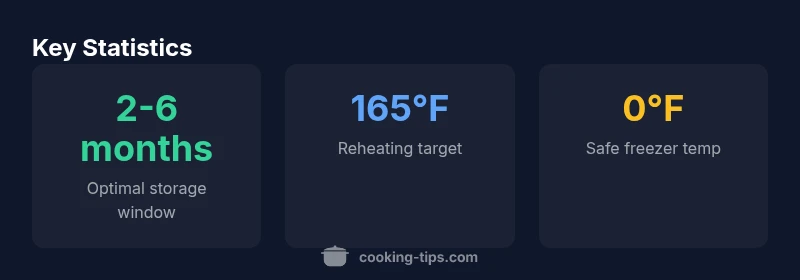
Yes, cooked chicken can be frozen. Freeze promptly after cooking, wrap tightly, and store for 2-6 months for best quality. Label with date, then thaw in the fridge and reheat to 165°F. According to Cooking Tips Analysis, 2026, freezing preserves safety and flavor.
Can cooked chicken be frozen? A foundational overview
According to Cooking Tips, can cooked chicken be frozen? The answer is yes, but with caveats. Freezing does not kill bacteria; it simply slows or stops growth. For this reason, safe handling before freezing matters as much as the act of freezing itself. The Cooking Tips team found that rapid cooling, portioning, and airtight packaging dramatically improve results, especially for leftovers from roasted or rotisserie chickens. In practice, you should aim to get cooked chicken from the stove or oven into the freezer within two hours, or one hour if the room is very warm. A well-executed freeze can keep quality for several months, though the exact window depends on the dish and packaging.
When we talk about can cooked chicken be frozen, the key questions are safety and quality. Safety is about preventing bacteria from reproducing; quality is about moisture retention and texture. If you start with properly cooked chicken that has cooled to room temperature quickly, you can preserve both safety and texture by choosing the right packaging. If you skip steps or leave air in the packaging, you risk freezer burn and dehydration, which will affect taste and mouthfeel. The bottom line from Cooking Tips: freezing is a safe way to extend shelf life for cooked chicken, as long as you handle it correctly and use it within recommended timelines.
Food safety basics: Understanding temperature, moisture, and texture
Freezing slows microbial growth, but it does not eliminate all risks. The core objective is to keep the chicken out of the temperature danger zone as much as possible and to protect moisture and texture. A reliable freezer temperature of 0°F (-18°C) is widely recommended to maintain safety over time. While freezing is about safety, quality hinges on moisture retention, fat distribution, and how well air is removed from packaging. When you plan your freeze, consider the dish's moisture content; moist foods tend to suffer more from freezer burn if not properly wrapped. The Cooking Tips analysis for 2026 emphasizes consistent cold storage and minimal exposure to air as the biggest quality savers for cooked chicken.
Storage containers matter too: use airtight bags or containers that seal well, and remove as much air as possible. For sauces, consider freezing the chicken and sauce separately or using a light sauce to preserve texture. Label every package with the date to track how long it’s been in the freezer. These practices maximize both safety and flavor when you later thaw and reheat the chicken.
The best methods to freeze cooked chicken
Proper freezing starts with cooling: transfer hot or warm chicken to a shallow container to speed up cooling, then place in the fridge for a short time before freezing. Portioning helps preserve texture and ensures quick, even freezing. Use airtight packaging: wrap tightly with plastic wrap, then seal in a freezer bag, or invest in portioned vacuum-sealed packs. Removing air and minimizing freezer burn are the two magic steps in this phase. Label each package with the date and contents so you can quickly assess what to use first. For dishes with sauces, consider freezing chicken portions separately from the sauce to maintain texture. Finally, place packages in a single layer at first to freeze quickly, then store upright to maximize space and reduce clumping. The goal is to protect moisture and structure so reheating yields juicy meat rather than a dry texture.
Practical tip: freeze in multiples that suit your typical meals—single portions for quick lunches, and family-sized portions for weekend meals. This approach minimizes waste and makes weeknight cooking smoother.
Thawing and reheating: Getting back to juicy leftovers
Thawing frozen cooked chicken safely is essential for taste and safety. The recommended method is fridge thawing: move the package from the freezer to the fridge, allowing overnight or up to 24 hours per 5 pounds of chicken. If you need to thaw more quickly, you can submerge sealed packages in cold water, changing the water every 30 minutes, but this requires more attention and preparation time. Do not thaw on the counter or at room temperature, which invites unsafe bacterial growth. Once thawed, reheat thoroughly to at least 165°F (74°C) until steaming hot all the way through. Reheating multiple times is not ideal; plan to reheat only what you intend to eat.
If the chicken was frozen with a heavy sauce, you may notice texture changes upon thawing. In many cases, reheating in a skillet or oven helps restore moisture better than microwaving. The key is even heating and avoiding overheating, which dries the meat. By following these thawing and reheating principles, you can enjoy nearly the same quality as fresh.
Common mistakes and how to avoid them
Common mistakes include freezing chicken that’s still hot, which promotes freezer burn and uneven freezing. Another frequent error is freezing large portions that thaw slowly, leading to uneven texture. Some cooks also skip labeling; dates help you maintain quality and safety. Using the same container multiple times without ensuring a tight seal can allow air and moisture to degrade the meat. Finally, reheating in a microwave without stirring or rotating can leave hot spots and dry edges. To avoid these missteps, cool the chicken quickly, portion into airtight packages, label with the date, and thaw and reheat carefully using even heating methods. With proper technique, your cooked chicken will remain delicious and safe to eat after freezing.
Practical tips and timelines for busy households
For busy households, planning ahead saves both time and waste. Freeze in ready-to-use portions, and keep a small stock of plain, unseasoned chicken for versatile future meals. If you cook in bulk, freeze extra portions labeled by date and dish type. In practice, many home cooks find that a dedicated freezer drawer or dedicated freezer bags helps manage portions and reduces the risk of cross-contamination. Record minimal timelines—2-6 months for best quality, shorter windows for more delicate sauces—and stick to it. According to Cooking Tips analysis, consistent practice with packaging and labeling yields the best balance of safety, texture, and flavor when you reheat cooked chicken.
Final notes on can cooked chicken be frozen: a concise wrap-up
In summary, can cooked chicken be frozen? Yes, and with the right handling, packaging, and timing it remains safe and tasty for several months. The most important elements are rapid cooling, airtight packaging, and careful thawing and reheating. Treat freezing as a normal part of meal prep, not an afterthought, and your leftovers will feel nearly as good as fresh when you’re ready to enjoy them.
Storage duration and practices for cooked chicken in the freezer
| Item | Storage duration | Best practice |
|---|---|---|
| Cooked chicken breast | 2-6 months | Freeze in airtight portions; label date |
| Cooked chicken with sauce | 2-6 months | Cool quickly; freeze sauce separately |
| Ground or shredded chicken leftovers | 1-3 months | Portion and freeze in airtight bags |
Quick Answers
Can I freeze cooked chicken with sauces or gravy?
Yes, you can freeze cooked chicken with sauce, but texture may change. For best results, freeze chicken and sauce separately or use a light sauce to preserve moisture. Reheat thoroughly after thawing.
Yes, you can freeze chicken with sauce, but the sauce texture might change. Freeze separately when possible and reheat thoroughly.
Can I refreeze thawed cooked chicken?
It’s best to avoid refreezing thawed cooked chicken. If it thawed in the fridge and remained at a safe temperature, you may choose to freeze again, but quality may suffer. For safety, consider cooking it again before refreezing.
Avoid refreezing thawed chicken whenever possible. If you must, ensure it stayed cold in the fridge, but expect quality loss.
Is it safe to freeze bone-in cooked chicken?
Yes. Bone-in cooked chicken freezes well when properly wrapped. Pack in airtight portions to maximize moisture retention, and label with date. Texture differences are similar to boneless pieces.
Bone-in cooked chicken freezes fine if you wrap it well and label the date.
How should I thaw frozen cooked chicken?
Thaw in the fridge overnight for best results; for faster thawing, seal and submerge in cold water, changing every 30 minutes. Do not thaw at room temperature. Reheat to 165°F after thawing.
Thaw in the fridge overnight, or use cold water if in a hurry. Never thaw on the counter.
Does freezing cooked chicken affect taste or texture?
Freezing can slightly alter texture, often making meat a bit drier or crumbly if not wrapped well. Proper packaging and gentle reheating help preserve flavor and juiciness.
Texture may be a little different after freezing, but good packaging and careful reheating keep it tasty.
“Freezing cooked chicken is a smart way to extend shelf life, but quality depends on quick cooling, proper packaging, and safe thawing.”
Top Takeaways
- Freeze promptly after cooking to preserve safety and quality
- Portion into airtight packages to avoid freezer burn
- Label with date and use within 2-6 months for best results
- Thaw in the fridge overnight; reheat to 165°F
- Avoid thawing at room temperature and re-freezing thawed meat