Beef Slow Cook Stew: A Practical Step‑By‑Step Guide
Master a tender, flavorful beef slow cook stew with expert tips on cut selection, browning, aromatics, simmering, and thickening for reliable weeknight dinners.


By following this guide, you will be able to produce a rich beef slow cook stew with evenly tender meat and a glossy, savory sauce. You’ll learn cut selection, browning techniques, how to layer aromatics, when to add vegetables, and how to adjust thickness. A heavy pot or slow cooker and a few hours of simmering are all you need.
Choosing the Right Cut for Beef Slow Cook Stew
According to Cooking Tips, choosing the right cut is the foundation of a successful beef slow cook stew. For braising, look for cuts with marbling and connective tissue—these break down into tender, flavorful meat during long simmering. Chuck roast, boneless, is the classic choice, typically cut into 2-inch cubes. Shoulder or blade cuts work well too. Avoid lean round steaks that can become tough with extended cooking.
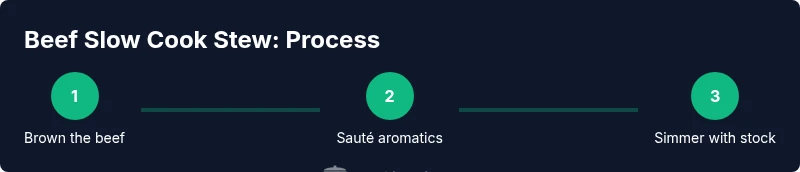
Trim excess surface fat, pat dry, and cut into uniform pieces. Drying the meat helps achieve deep browning, which builds the stew’s base of flavor. Brown in batches, not crowded, until deeply caramelized on at least two sides. Transfer browned pieces to a plate and set aside. The browned fond left in the pan is where much of the flavor comes from; you’ll deglaze with stock later to lift these browned bits into the sauce.
If you’re using a slow cooker, you can skip one step of extended sizzling, but searing the meat first is strongly encouraged to maximize depth of flavor. For a lighter option, you can start with lean stew meat, but expect a milder finished sauce.
Browning, Searing, and Flavor Development
Browning flavor begins with proper searing. Searing creates a crust that adds texture and a concentrated aroma. Work in batches to avoid steaming the meat; overcrowding the pan releases moisture and prevents browning. Heat the pan to high, add a thin film of oil, and lay the pieces down away from you to avoid splatter. Turn as needed until each side forms a rich brown crust. Transfer to a plate; the meat continues to enrich the sauce later.
While browning, you’ll see golden bits forming on the bottom of the pan; these are your fond. After searing, pour a small amount of liquid (stock, wine, or water) into the pot and scrape with a wooden spoon to loosen the browned bits. This deglazing step is essential for a deep, layered flavor. If you’re using an electric slow cooker, you can do this step in a separate pan and then transfer to the slow cooker.
Note: If you prefer not to brown meat, you can skip, but the resulting stew won’t be as rich. For vegetarians or those avoiding meat browning, you can still achieve a flavorful base by simmering with onions, tomatoes, and spices, but the meat’s absence will alter the dish.
Building the Base: Aromatics and Liquid
The core aroma comes from onions, garlic, celery, and carrots—the classic mirepoix. Sweat them in a bit of fat until they’re soft and sweet, then add garlic for a moment longer to release its oils. Tomato paste (optional) intensifies depth, while fresh or dried herbs such as thyme and bay leaves provide warmth. Deglaze again if needed, then return the browned beef to the pot. Choose your liquid wisely: beef stock or broth forms the stew’s backbone, while a splash of wine can lift the sauce and balance richness. If you don’t use wine, a touch of tomato paste or a splash of Worcestershire can compensate for brightness. The balance of aromatics and liquid determines the first impression of the sauce’s flavor—aim for a well-rounded, warm foundation.
Liquid, Time, and Temperature: How to Get Tender Beef
To achieve fork-tender beef, the amount of liquid and the cooking method matter as much as heat. A braise uses a tight lid and gentle simmer, either on the stove, in the oven, or in a slow cooker, allowing long, slow extraction of flavor from the meat. Maintain a gentle simmer; if the liquid boil is too vigorous, moisture evaporates and meat dries out. For best results, keep the pot covered during the initial braise, then uncover toward the end to reduce and thicken. If using a slow cooker, plan for a long, low-temperature cook time; if using a stovetop braise, check tenderness after a couple of hours and adjust as needed. The goal is meat that pulls apart with a fork and a sauce that clings to vegetables and meat alike.
Thickening and Finishing the Stew
Most beef stews benefit from a slightly thicker, glossy sauce. Start by reducing the liquid with the lid off near the end of cooking, or whisk in a cornstarch or flour slurry if you need more thickening. A roux (equal parts fat and flour cooked briefly) can also be used for a richer texture. Avoid over-thickening, which can give the sauce a pasty mouthfeel. Season with salt and pepper toward the end, after tasting the stew, since reduction concentrates salt. Finish with a pat of butter or a splash of cream if you want extra silkiness. Resting the stew briefly after cooking helps flavors meld and become more cohesive.
Variations and Add-ins for Different Diets
Beef slow cook stew is highly adaptable. For a heartier version, add potatoes, parsnips, and mushrooms. For gluten-free meals, use a slurry or a starch-free reduction for thickening. If you want a lighter option, swap some of the meat with extra vegetables and a lighter stock. For non-alcoholic variations, omit wine but add a splash of citrus zest or a splash of balsamic to brighten the sauce. You can also experiment with herbs like rosemary or marjoram for different flavor notes. If you prefer a sweetness profile, a touch of carrot or parsnip can contribute natural sweetness without added sugar.
Safe Handling, Food Safety, and Leftovers
Always handle beef and poultry with clean hands and clean surfaces. Cook beef to a safe internal temperature according to guidelines, and refrigerate leftovers promptly to minimize bacterial growth. Cool the stew quickly by dividing into shallow containers and placing in the refrigerator. Reheat to a safe temperature (165°F / 74°C) before serving. Leftovers can be stored in the refrigerator for a few days or frozen for longer-term storage. When reheating, bring the sauce to a steady simmer and shake or whisk gently to re-emulsify any separated fat. Do not reheat multiple times; portion into single-serving containers for convenience.
Serving Suggestions and Meal Planning
Beef slow cook stew is a warming centerpiece for cooler evenings. Serve with crusty bread, mashed potatoes, or buttered noodles to soak up the sauce. Fresh herbs sprinkled on top add a bright note. Consider pairing with a simple green salad or roasted vegetables for a balanced meal. If you’re meal-prepping, divide into portions and cool rapidly before refrigerating. Reheat gently in a pot or microwave, adding a splash of stock if the sauce has thickened too much. This approach keeps leftovers delicious for several days and makes weeknight dinners effortless.
Authoritative Sources
For safety and technique guidance, consult authoritative sources including government and university resources. This section lists a few reputable references you can check for further details and best practices:
- https://www.fsis.usda.gov/food-safety/safe-food-handling-and-preparation
- https://www.usda.gov/food-safety
- https://extension.illinois.edu/food-safety
Tools & Materials
- Heavy-bottom pot (Dutch oven) or slow cooker(4-6 quart capacity; tight lid for braising)
- Sharp chef's knife(For 2-inch beef cubes and chopping vegetables)
- Cutting board(Stable surface; separate boards for meat/veg if possible)
- Measuring tools (cups, spoons)(For precise additions when desired)
- Beef chuck, boneless, 1.5–2.5 lb (0.7–1.1 kg)(Trimmed and cut into 2-inch chunks)
- Onion, carrot, celery(Chopped for mirepoix base)
- Garlic cloves(Minced or pressed)
- Beef stock or broth(Prefer low-sodium for control over salt)
- Tomato paste (optional)(Adds depth if used)
- Red wine (optional)(Substitute with extra stock if avoiding alcohol)
- Bay leaves(For aroma; remove before serving)
- Salt and pepper(Season gradually and taste as you go)
- Cornstarch or flour (for slurry/roux)(Optional thickener if sauce is too thin)
Steps
Estimated time: 3.5-4.5 hours
- 1
Prep and portion ingredients
Wash and pat beef dry, then trim and cut into 2-inch chunks. Dice onion, carrot, and celery; mince garlic. Have all ingredients ready in bowls for quick, orderly cooking.
Tip: Mise en place speeds up the workflow and prevents overcooking. - 2
Brown the beef in batches
Heat a thin layer of oil in the pot. Sear beef in small batches until deeply browned on all sides, then set aside. The fond left in the pot will deepen the sauce later.
Tip: Crowding the pan prevents proper browning; searing in batches is worth the extra step. - 3
Sauté aromatics
In the same pot, add onions, carrots, and celery. Sweat until soft and sticky with aroma, then add garlic for a brief kiss of fragrance.
Tip: Avoid burning the garlic by timing its addition just after the vegetables soften. - 4
Deglaze and lift fond
Pour in a splash of stock or wine; scrape the bottom with a wooden spoon to lift all caramelized bits into the liquid.
Tip: Deglazing becomes the flavor backbone of the sauce. - 5
Return beef, add liquids
Return browned beef to the pot. Add stock, a splash of wine if using, and tomato paste if desired. Stir in bay leaves and thyme.
Tip: Aim for enough liquid to barely submerge the meat for even braising. - 6
Add vegetables and seasonings
Toss in potatoes (if using), along with any other root vegetables. Adjust salt and pepper; herbs should be aromatic but not overpowering.
Tip: Season in layers to build depth without over-salting. - 7
Simmer until tender
Cover and braise on low heat (or in a slow cooker on low) until the beef is fork-tender. Check occasionally and maintain a gentle simmer.
Tip: Keep heat steady and avoid rapid boiling to prevent toughness. - 8
Finish and thicken
If the sauce is too thin, simmer uncovered to reduce, or whisk in a slurry. Adjust salt and pepper to taste.
Tip: A light slurry prevents lumps and yields a glossy finish. - 9
Rest and serve
Let the stew rest for 10 minutes after cooking to allow flavors to settle. Taste once more, then ladle into bowls and serve.
Tip: Resting helps flavors meld and creates a smoother mouthfeel.
Quick Answers
What cut is best for beef stew?
Beef chuck or shoulder braises well, holding together during long cooking. Cut into 2-inch chunks for even cooking. Brisket or blade are good alternatives if chuck isn’t available.
Beef chuck or shoulder is best for slow braises; cut into chunks for even cooking.
Is browning the beef necessary?
Browning adds depth and complexity to the sauce. It’s not strictly required, but it markedly improves flavor. If you’re short on time, you can skip but expect a lighter finish.
Brown the beef if you can; it adds flavor, though you can skip with a lighter result.
Can I use a slow cooker instead of a Dutch oven?
Yes. You can sear the meat first on the stovetop, then transfer to the slow cooker with the remaining ingredients. If you skip searing, the flavor won’t be as deep, but it will still be delicious.
Yes, use a slow cooker, but searing first boosts flavor.
How thick should the sauce be?
Aim for a sauce that lightly coats vegetables and meat. If too thin, simmer uncovered to reduce; if too thick, whisk in more stock or water.
Aim for a coat of sauce on the vegetables; adjust with simmering or a slurry.
Can I freeze beef slow cook stew?
Yes. Cool promptly, refrigerate, then freeze for longer storage. Reheat gently to a safe temperature, adding liquid if the sauce has thickened.
Yes, you can freeze and reheat gently.
Watch Video
Top Takeaways
- Choose chuck or shoulder for best tenderness
- Brown meat in batches to develop depth
- Deglaze to lift fond into the sauce
- Braise slowly for uniformly tender beef
- Finish with a light thickening for glossy sauce