Air Fryer Green Beans: Crispy, Tender Side Dish
Master air fryer green beans with this practical guide. Learn prep, seasoning, timing, and tips for crisp, tender results every time, plus variations and storage ideas.


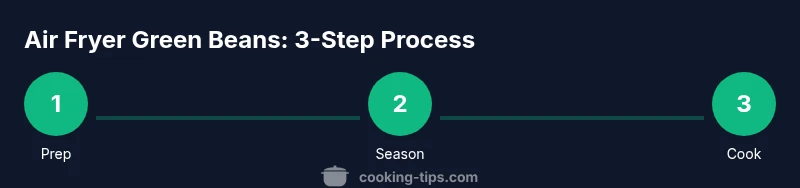
Step 1: Trim the green beans. Step 2: Toss with 1–2 tsp oil and a pinch of salt. Step 3: Air fry at 370°F (190°C) for 8–12 minutes, shaking halfway for even crispness. According to Cooking Tips, this method preserves color, texture, and crunch.
Why Air Fryer Green Beans Make Sense
In households everywhere, air fryer green beans offer a fast, dependable way to turn fresh beans into a vibrant, crunch-on-the-outside, tender-on-the-inside side dish. This approach uses hot air circulation rather than a deep fryer, which means less oil and fewer calories while preserving bright color and a satisfying snap. For home cooks who want reliable results after a busy day, the air fryer provides a predictable workflow: trim, season lightly, and cook in a single layer. According to Cooking Tips, air frying preserves color and crunch more effectively than boiling or steaming in many cases, especially when you want that roasted-vegetable texture without heating up the whole kitchen. The Cooking Tips team has tested several small-batch methods and found that the right balance of heat, time, and spread matters more than the exact brand of machine. When done right, these green beans become a versatile side that pairs with poultry, fish, or tofu and serves as a baseline for flavor experimentation. In this guide, you’ll learn why the air fryer is a natural fit for green beans, how to preheat, how to season, and how to adjust for different bean sizes and personal preferences. The aim is simple: crisp edges, tender centers, and a shine that makes the dish look as good as it tastes. Beyond the basics, you’ll find practical variations—garlic and lemon for brightness, a touch of parmesan for depth, and tips for batching so you can serve two or a crowd. We'll also discuss reheating, storage, and how to avoid soggy results when you reheat leftovers.
The Crisp Factor: Achieving Golden Edges
Crisp, golden edges on air fryer green beans come from a combination of dry coating, adequate spacing, and controlled heat. The dry surface reduces moisture escape during the initial minutes, which helps form a light crust rather than a soggy exterior. Spacing is essential: a single layer with space between beans allows hot air to circulate, leading to even browning on all sides. Light oil helps with adhesion and browning without turning the dish greasy. For best results, preheat the air fryer to 370°F (190°C) so the beans hit hot surfaces immediately. If your model runs hotter or cooler, adjust by plus or minus 5–10 degrees and check around the 8-minute mark. A quick shake halfway through the cooking time ensures even exposure and prevents sticking. The goal is a bright green bean with a crisp bite and a hint of roasted aroma. Remember that smaller beans cook faster, while thicker beans may need a minute or two more. A thin spray of oil before tossing with salt can improve texture without adding heaviness. By tuning preheat, oil, and spacing, you’ll consistently achieve the sought-after crunch alongside vivid color.
Prep, Timing, and Sequence for Consistent Results
Prep begins with washing and trimming: snap off the stem ends and remove any tough strings if present. Pat dry to remove surface moisture, which can steam the beans instead of browning. Toss them in a bowl with a small amount of oil—usually 1–2 teaspoons per pound is enough for flavor without greasiness—then season with salt and a light pepper or spice blend. Preheating the appliance is a step many home cooks skip, but it is crucial for uniform browning. Place beans in a single layer, leaving some space for air to circulate. Set the timer for 8–12 minutes depending on thickness, and shake or stir at the halfway point to promote even coloration. If you prefer extra crunch, finish with a brief 1–2 minute blast at a higher heat, but watch closely to avoid scorching. For crowd prep, cook in batches to maintain a consistent surface area per bean. Prepping in advance and storing dry toppings separately lets you assemble the dish quickly at serving time. The timing may vary by model, so keep a close eye on the color rather than relying solely on a fixed clock. This approach minimizes oil, maximizes flavor, and yields an appealing plate-ready side that pairs well with many main courses.
Flavoring Ideas: Seasonings, Oils, and Finishes
Seasoning choices shape the final flavor profile as much as cooking time does. A light drizzle of olive oil, avocado oil, or even a mist of cooking spray helps with browning and texture. Classic salt and pepper provide a clean baseline, while garlic powder, onion powder, or paprika add depth without complicating prep. A squeeze of lemon juice before serving lifts the green notes and adds brightness. Finishing with grated Parmesan or pecorino adds a subtle cheese note without overpowering the vegetables. For a smoky vibe, a pinch of smoked paprika works well, especially when paired with a herby garnish like thyme or parsley. If you enjoy a bit of heat, add a pinch of red pepper flakes or a few drops of hot sauce after cooking. All these variations can be tested in small batches to discover your preferred combination. The key is to keep the oil light and the seasonings balanced so the beans remain the hero rather than the sauce.
Troubleshooting Common Issues: Soggy Beans, Burnt Edges, and More
If the beans turn out soggy, they likely cooked in too much moisture or were overcrowded. Ensure the beans are dry before tossing with oil and spread them in a single layer with space between pieces. For uneven browning, shake the basket or flip the beans halfway through cooking. Burnt edges usually indicate either overcooking or thin edges catching at high heat; remedy by lowering the temperature 10 degrees or reducing cook time by 1–2 minutes and checking early on. Tough beans may be undercooked; you can give them an extra 1–2 minutes at the same temperature, but watch closely. To avoid sticking, use a light nonstick spray and avoid overcrowding. Finally, if you’re cooking a large batch, consider air frying in batches or using multiple racks with proper air circulation. These adjustments help maintain texture, color, and flavor across servings while keeping cleanup minimal.
Variations and Inspiration: Garlic, Lemon, Parmesan, and More
Experiment with garlic-infused oil for a savory twist or a dash of lemon zest to brighten the dish. A light dusting of grated Parmesan near the end of cooking can add a nutty finish, while a pinch of sesame seeds provides a subtle crunch. If you prefer herb-forward flavors, toss with fresh chopped herbs like parsley, dill, or chives just before serving. For a heartier bite, add a handful of toasted almonds or pine nuts after cooking. You can also mix in other quick-cook vegetables, like peppers or sliced mushrooms, during the last few minutes to create a small medley. The air fryer handles these variations well, as long as you keep the surface area moderate and avoid overcrowding. Track which combinations you like best and make notes so you can reproduce them consistently.
Serving, Storage, and Make-Ahead Tips
Serve air fryer green beans hot as a crisp, bright side. If you need to prepare in advance, store the beans in an airtight container for up to 2 days in the refrigerator and reheat briefly in the air fryer to restore crispness. To keep flavor crisp and fresh after reheating, avoid saucy toppings that can soften the beans. If you’re batch-cooking for a larger meal, consider pre-seasoning the beans and storing the seasoned mix in the fridge; toss with a little oil before cooking to re-create the texture. Freeze-dried or flash-frozen green beans can also work, but they may require a slightly longer cooking time and extra shaking to reconstitute their texture. A quick garnish of chopped herbs or a squeeze of citrus just before serving adds a professional finish. The aim is to preserve brightness, texture, and aroma so the dish remains appealing from stove to table.
Authoritative sources
For readers who want to dive deeper into vegetable cooking methods and safety guidelines, consult these authoritative sources:
- https://www.usda.gov/
- https://extension.illinois.edu/
- https://extension.ucdavis.edu/
Tools & Materials
- Air fryer(Preheated to 370°F (190°C) for best results)
- Mixing bowl(For oil and seasoning toss)
- Measuring spoons(1–2 tsp oil per pound of beans)
- Silicone tongs(Gentle turning without marring beans)
- Kitchen shears or knife(Trim stem ends)
- Serving dish(Plate with garnish)
Steps
Estimated time: 15-20 minutes
- 1
Prep beans
Rinse the beans and trim the ends. Pat dry completely to avoid steaming. This step ensures surface dryness for crisp browning.
Tip: Dry beans crisp better; moisture creates steam. - 2
Toss with oil and seasoning
Place beans in a bowl and add 1–2 teaspoons of oil per pound. Add salt and your chosen seasonings; toss until evenly coated.
Tip: Keep oil light to avoid greasy beans. - 3
Preheat and arrange
Preheat the air fryer to 370°F (190°C). Spread beans in a single layer with space between pieces for air flow.
Tip: Overcrowding drops temperature and reduces crisp. - 4
Cook and shake
Cook for 8–12 minutes, shaking halfway through to promote even browning.
Tip: Start checking at 8 minutes for crispy yet tender texture. - 5
Finish and taste
Taste and adjust salt or add lemon zest or parmesan as a finishing touch.
Tip: Finish with zest or cheese off-heat to preserve brightness. - 6
Serve or store
Serve immediately for best texture. If storing, refrigerate up to 2 days and reheat briefly in the air fryer.
Tip: Reheat briefly to restore crispness.
Quick Answers
Can I cook frozen green beans in the air fryer?
Yes, you can cook frozen green beans, but they may require a few extra minutes and a shake to ensure even crispness. Thawing briefly can reduce cook time and help with even texture. Start with 8–12 minutes and adjust as needed.
Yes, you can cook frozen green beans, but expect a few extra minutes and a shake to ensure even crispness. Thawing briefly helps with even texture.
Should I preheat the air fryer for green beans?
Preheating to about 370°F (190°C) helps achieve faster browning and a crisper exterior. If your machine runs hot or cool, adjust by a few degrees and test with a small batch.
Yes, preheating to 370 degrees helps browning and crispness. Adjust if your model runs hot or cool.
Can I add cheese or sauces after cooking?
Parmesan or other grated cheeses can be sprinkled after cooking for a finishing flavor. Sauces should be added after cooking to avoid sogginess.
Yes, finish with grated cheese after cooking. Add sauces after cooking to keep the crisp texture.
How do I prevent soggy beans?
Ensure beans are dry before oiling, cook in a single layer with space, and avoid adding too much oil. If beans release moisture, pat them dry and re-toss before cooking.
Keep beans dry and give them space in the basket to stay crisp.
What temperature is best for crispiness?
Most recipes use 370°F (190°C) for 8–12 minutes depending on bean size. If you prefer more bite, aim for the lower end and extend time by a minute or two as needed.
Around 370 degrees, for 8–12 minutes, adjusting for bean size.
How should I reheat air fryer beans?
Reheat in the air fryer at 350°F (175°C) for 2–4 minutes to restore crispness. Avoid microwaving if you want to preserve texture.
Reheat at 350 degrees for 2–4 minutes to keep them crisp.
Watch Video
Top Takeaways
- Choose dry beans for better crisping
- Don't overcrowd the air fryer basket
- Light oil and simple seasonings deliver best flavor
- Shake halfway for even browning
- Finish with bright citrus or cheese for depth