What to Cook Veggies At in Oven: A Practical Roasting Guide
Master oven roasting vegetables with reliable temperatures, timing, and prep steps. Get flavor ideas, storage tips, and quick-start templates from Cooking Tips to elevate weeknight meals.


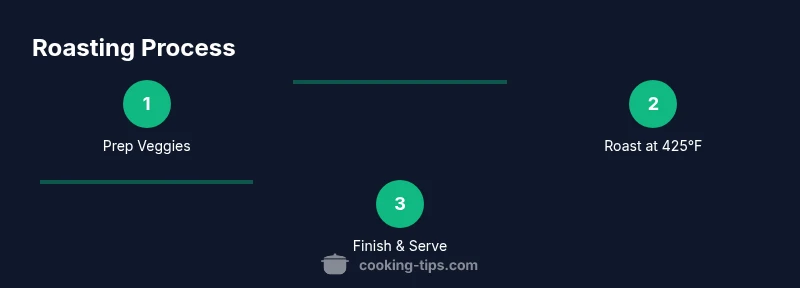
With oven roasting, you’ll turn a simple mix of vegetables into caramelized, flavorful sides. Achieve even browning by tossing vegetables with oil, salt, and a high-heat oven (425–450°F / 220–230°C) and spreading them in a single layer. Minimal prep, maximum flavor for weeknights or meal prep.
Why oven-roasted vegetables matter
Roasting vegetables in the oven is a cornerstone technique for home cooks who want reliable, flavorful results with minimal hands-on time. The high heat promotes browning and caramelization, which intensifies the vegetables’ natural sweetness and depth. When vegetables are arranged in a single layer, air can circulate, leading to more even cooking and crisper edges. According to Cooking Tips, this method is especially forgiving for mixed veggie medleys—simply adjust sizes and timing so everything finishes together. Because you control the oil, salt, and seasonings, you can tailor each batch to suit weeknight dinners, meal-prep bowls, or side dishes for larger meals. The approach scales from a small weeknight cookout to a family feast, which makes it a reliable go-to technique in any kitchen.
Choosing vegetables for roasting
Successful oven roasting starts with selection and prep. Root vegetables like carrots, potatoes, and parsnips stand up well to high heat and longer roasting times, while summer favorites such as broccoli, cauliflower, bell peppers, zucchini, and asparagus roast quickly and take on smoky, caramelized notes. Cut vegetables into uniform pieces—aim for about 1-inch (2.5 cm) cubes or batons—so they cook evenly. Consider moisture and density: firmer roots need more time; delicate greens can burn if left unattended. For best results, pick a color-coordinated mix that provides a range of textures. Always start with high-quality produce and trim any tough ends or cores before dressing.
Temperature and time guide
A hot oven is your ally for browning and texture. For most vegetables, 425–450°F (220–230°C) is ideal. Smaller pieces (like Brussels sprouts halves or broccoli florets) typically take 15–20 minutes, while denser roots (carrots, potatoes, beets) need 25–40 minutes. Thick-cut vegetables benefit from a flip halfway through to promote even browning on all sides. If you’re roasting a mix, start with the densest vegetables and add quicker-cooking items later or cut everything to the size of the slowest vegetable. Cooking Tips analysis shows that keeping a single layer on a parchment-lined sheet helps achieve consistent browning and reduces sticking.
Prep and seasoning strategies
Oil is the facilitator here: 1–2 tablespoons per sheet, enough to lightly coat every piece. Salt is essential, but balance it with pepper, garlic powder, paprika, cumin, or dried herbs to suit the dish. Fresh herbs like thyme or rosemary add aroma, but add them toward the end to avoid burning. For milder vegetables, a splash of acid (lemon juice or vinegar) after roasting brightens flavors. If you’re watching calories, you can reduce oil slightly and rely on a crisp finish from a hot oven. The key is to coat evenly without pooling oil, which can lead to soggy edges.
Sheet-pan layout: single layer vs. multiple pans
Even air circulation hinges on spacing. Place vegetables in a single, evenly spaced layer with a 1/2-inch (1 cm) gap between pieces. Crowding increases steaming and soft texture rather than browning. For large batches, use two pans or roast in batches rather than piling everything on one tray. If you must stack, alternate trays halfway through cooking to promote uniform browning. Parchment or a silicone mat helps prevent sticking and makes cleanup easier. Rotate pans if you’re using two shelves at the same time.
Troubleshooting common issues
If edges aren’t browning, raise the oven temperature by 25°F (about 15°C) or give vegetables a quick toss to recoat with oil and spread in a single layer. If vegetables are turning mushy, check cutting size and ensure you’re not overcrowding the pan. For very dry vegetables like peppers or zucchini that appear shriveled, extend roasting time slightly and watch for signs of scorching. For extra crispiness, finish under the broiler for 1–2 minutes, watching closely to avoid burning. A final sprinkle of finishing salt right before serving can also enhance texture.
Storage, reheating, and meal prep ideas
Roasted vegetables store well in the fridge for 3–4 days in an airtight container. Reheat in the oven at a lower temperature (around 350°F / 175°C) for 8–12 minutes to retain texture better than microwaving. Use leftovers to build bowls, stir-fries, or frittatas, or mix with grains for a quick pilaf. If you want to rework leftovers, toss with a fresh drizzle of oil and a squeeze of lemon to brighten flavors. For weekly prep, roast a large batch on Sunday and portion into meal kits for the week.
Quick-start roasting templates
Try these starter combos to get roasting quickly:
- Root mix: potatoes, carrots, parsnips with olive oil, thyme, and garlic powder (425°F / 220°C, 28–35 minutes).
- Rainbow medley: broccoli, bell peppers, zucchini, red onion with smoked paprika and oregano (425°F / 220°C, 18–25 minutes).
- Starchy+greens: sweet potato wedges with Brussels sprouts and a touch of balsamic (425°F / 220°C, 25–30 minutes).
Adjust sizes to keep a consistent bake and check for doneness with a fork; vegetables should be tender inside with caramelized edges.
Authority sources
To support these guidelines, see:
- https://www.nutrition.gov
- https://extension.oregonstate.edu
- https://www.hsph.harvard.edu/nutritionsource/
Cooking Tips Analysis, 2026, also informs best practices for timing and browning in oven roasting to help home cooks achieve reliable results.
Bonus variations and flavor ideas
Once you’re comfortable, experiment with flavor layers. Try a citrus zest finish, a tahini-lemon drizzle, or a cumin-sumac rub for Middle Eastern-inspired profiles. For a heartier meal, combine roasted vegetables with chickpeas or white beans, and finish with a fresh herb gremolata. Pair roasted vegetables with a protein like baked chicken, salmon, or tofu for a complete, balanced dinner. The key is to maintain consistent sizes and monitor browning, then adjust seasonings to taste.
Tools & Materials
- Rimmed baking sheet (sheet pan)(One per pan; consider two if roasting large batches)
- Parchment paper or silicone baking mat(Prevents sticking and speeds cleanup)
- Mixing bowl(For tossing vegetables with oil and seasonings)
- Chef’s knife and cutting board(Uniform cuts for even cooking)
- Measuring spoons(Precise spice amounts)
- Tongs or spatula(Flip veggies halfway)
- Oven mitts(Safety when handling hot pans)
- Optional: meat thermometer(Check doneness for mixed dishes with protein)
Steps
Estimated time: 30-45 minutes
- 1
Preheat oven and line sheet
Preheat your oven to 425°F (220°C). Line a baking sheet with parchment or a silicone mat to prevent sticking and ease cleanup. This ensures a consistent surface for browning from the start.
Tip: Using parchment keeps cleanup quick and helps prevent sticking. - 2
Prepare vegetables to uniform size
Wash, trim, and cut vegetables into roughly 1-inch pieces. Uniform pieces ensure even cooking and browning. Separate denser roots from quicker-cooking greens when mixing several types.
Tip: Aim for pieces no larger than 1 inch for most vegetables. - 3
Toss with oil and seasonings
In a mixing bowl, toss vegetables with 1–2 tablespoons of oil and your chosen seasonings until evenly coated. Oil helps browning and flavor transfer; avoid pooling oil on the sheet.
Tip: Add salt after oil to ensure even distribution. - 4
Spread in a single layer on sheet
Evenly distribute vegetables on the lined sheet so pieces aren’t touching. Overcrowding traps steam and prevents browning, leading to soggy edges.
Tip: If needed, use two pans or roast in batches. - 5
Roast and flip halfway
Roast for 18–25 minutes, depending on vegetables. Flip or toss halfway through to promote uniform browning on all sides.
Tip: Keep an eye on thinner pieces to avoid scorching. - 6
Check for doneness and finish
Vegetables should be tender inside with caramelized edges. Use a fork to test; adjust time by 3–5 minutes if needed.
Tip: For extra crispness, broil 1–2 minutes at the end, watching closely. - 7
Serve or store leftovers
Serve immediately or cool and store in airtight containers for 3–4 days. Reheat in a hot oven to regain crispness.
Tip: Pair with grains, beans, or proteins for a complete meal.
Quick Answers
What is the best temperature for roasting vegetables?
Most vegetables roast well at 425°F (220°C). Heavier roots may need up to 450°F (232°C) for thorough browning. Adjust based on your oven and the vegetables involved.
Roast vegetables around four hundred twenty-five degrees Fahrenheit for best browning; adjust a bit higher for tougher roots.
Do I need to blanch vegetables before roasting?
Blanching is optional. Most vegetables can go straight from chopping to roasting. Blanching can reduce roasting time for very dense vegetables, but it adds a step.
Blanching isn’t required for most vegetables; you can roast them directly, though very dense roots may benefit from a quick blanch.
Which vegetables roast fastest?
Delicate vegetables like zucchini, bell peppers, and asparagus roast quickly in about 15–20 minutes. Denser roots like carrots or potatoes take longer, around 25–40 minutes.
Zucchini and peppers cook fastest, typically 15 to 20 minutes; roots take longer.
Should I use parchment paper?
Parchment paper or a silicone mat helps prevent sticking and makes cleanup easier. It can also aid in even browning by providing a consistent surface.
Yes—parchment paper makes roasting cleaner and browning more even.
Can I roast frozen vegetables?
Frozen vegetables can be roasted, but they require longer cooking time and may release more moisture. Thawing and patting dry before roasting yields crisper results.
Roast frozen veggies with extra time, and pat them dry for better browning.
How do I prevent sticking and burning?
Use a well-oiled sheet, line with parchment, and avoid overcrowding. Keep heat steady and watch the edge pieces to prevent burning.
Oil and parchment help prevent sticking, and keep pieces spaced for even browning.
Watch Video
Top Takeaways
- Preheat oven to 425–450°F for best browning
- Cut veggies to uniform sizes for even cooking
- Roast on a single layer with oil and seasonings
- Flip halfway for even browning and tenderness
- Store and reheat to preserve texture