Pumpkin Seed Cooking: How to Roast and Flavor
Master pumpkin seed cooking with simple roasting, flavor ideas, and storage tips. Learn prep, oven and air fryer methods, and tasty toppings for snacks, salads, or baking.


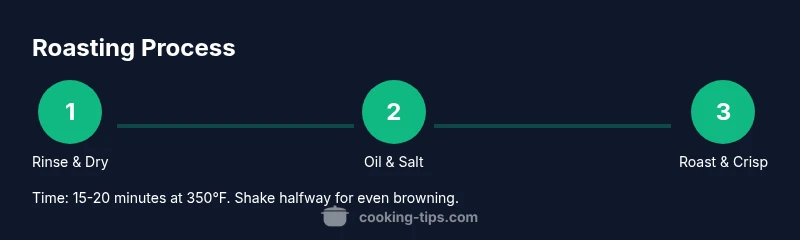
Learn to cook pumpkin seeds with a simple roasting method. Step 1: rinse and dry seeds thoroughly. Step 2: toss with a little oil and salt. Step 3: spread on a single layer and roast until golden and crisp. Finish with optional seasonings. Ready in about 15-20 minutes for a tasty, nutty snack.
What pumpkin seeds are and why they are tasty when cooked
Pumpkin seeds, pepitas when shelled, are tiny, nutrient-dense kernels that shine when cooked. They offer a pleasant, nutty flavor and a satisfying crunch, making them a versatile addition to snacks, salads, and baked dishes. Cooking pumpkin seeds enhances their aroma and texture far beyond the plain seed, especially when you toast them with a touch of oil and salt. This section introduces the basics of pumpkin seed cooking and explains why a simple roast is the most reliable method for home cooks. By understanding seed quality, prep steps, and roasting times, you’ll consistently achieve tasty results that showcase the seed’s natural sweetness and a crisp bite.
The classic roasted pumpkin seeds method (salted)
Roasting is the go-to method for most home cooks because it is straightforward and forgiving. Start with fresh pumpkin seeds, remove as much pulp as possible, and rinse if needed. Pat them dry thoroughly; moisture can steam seeds instead of browning, delaying crunch. Toss the dry seeds with a small amount of neutral oil and a pinch of salt to help flavors adhere. Spread them on a rimmed baking sheet in a single layer to ensure even browning. Bake in a preheated oven around 350°F (175°C) for 15–20 minutes, shaking the sheet halfway to promote uniform color. Check for your preferred level of toasty flavor—longer roasting yields deeper, bolder notes, while shorter times produce lighter crunch. Let them cool briefly before tasting, then adjust seasoning if needed. This salted-roast method provides a dependable flavor base for experimenting with spices and sweet coatings later.
Drying and cleaning seeds: why it matters
A clean, dry seed batch roasts more evenly and browns better. After collecting seeds from your pumpkins, separate them from the stringy pulp. Rinse if you notice a lot of residue, then spread the washed seeds on a towel and pat dry. Air-drying for a few minutes helps reduce surface moisture, but avoid excessive drying time, which can lead to brittle seeds. If you’re in a hurry, you can pat them dry with a clean cloth and use fan-assisted air drying for a few minutes. Even small amounts of moisture can steam seeds instead of browning them, so thorough dryness is essential for a crisp finish. Once dry, you’re ready to season and roast, or you can let them sit a bit longer before roasting to adjust texture. Cleaned and dried seeds roast more consistently, giving you a reliable base for flavor experimentation.
Flavor variations: savory, spicy, and sweet
One of the best parts of cooking pumpkin seeds is how versatile they are for flavor experimentation. Start with the basic salted roast and build from there. For savory options, try a garlic-parmesan blend with a light touch of olive oil and finely grated cheese, or a chili-lime mix for a bright, zingy finish. If you want a smoky note, a pinch of smoked paprika with a touch of cumin works nicely. For sweeter takes, use cinnamon and sugar or a drizzle of honey after roasting to create a candy-like crunch. You can also blend seeds with herbs like rosemary or thyme for a savory herb crunch. When adding spices, coat seeds while warm so flavors stick, then cool completely. Keep in mind that different spices toast differently, so you may need to adjust roasting times by a minute or two to avoid burning. This section shows how to customize pumpkin seed cooking to your taste preferences.
Alternative cooking methods: stovetop, air fryer, and oven differences
While the oven is the standard method, alternative cooking methods offer convenience and different textures. In a dry skillet over medium heat, roast the seeds, stirring constantly for 6–10 minutes until they are fragrant and lightly browned. This method requires close attention to prevent burning. If you own an air fryer, set it to 300–320°F (150–160°C) and cook for 8–15 minutes, shaking the basket halfway for even browning. Air frying can yield very uniform crunch with less oil. The oven method remains the easiest for larger batches; use a rimmed sheet and shake halfway. Tip: whichever method you choose, pulse-roasting in shorter cycles with brief rest intervals helps seeds brown evenly without scorching. This section helps you compare the pros and cons of each method and pick the best approach for your kitchen setup.
How to tell when seeds are done and avoiding burnt seeds
Seeds are done when they are evenly browned and smelling toasty. The color should be light golden to medium-brown, not black or charcoal, which indicates burning. Stir or shake the pan halfway through roasting to ensure uniform color. Seeds continue to harden slightly as they cool, so you may want to pull them from the heat just a touch before you think they’re finished. If seeds appear pale, give them a few more minutes, but watch closely after the halfway mark because ovens vary. A good practice is to taste a few seeds as you go and adjust seasoning. This approach reduces the risk of overcooking and ensures a crunch that’s not brittle. Once cooled, store in an airtight container away from heat and light.
Storing roasted seeds for freshness
Proper storage is essential to maintain crunch and flavor. Once completely cooled, transfer seeds to an airtight container or glass jar. Store in a cool, dark pantry for up to a week, or refrigerate for longer freshness. If you expect to keep them for more than a week, freezing is a great option; place seeds in an airtight freezer bag and label with the date. Roasted seeds can lose their crispness over time, particularly if exposed to humidity. For best results, keep portions small and refresh by warming for a few minutes in a low oven or skillet before serving. Label your jars or bags with flavor notes to help rotation. This ensures you always have a crunchy pumpkin seed snack ready to go.
Using pumpkin seeds in recipes and topping ideas
Roasted pumpkin seeds add texture and flavor to many dishes. Sprinkle warm seeds over salads, roasted vegetables, or soups for a crunchy contrast. They also work well as a topping for yogurt or oatmeal, providing a healthy boost of protein and healthy fats. For homemade snacks, mix seeds with cranberries, dark chocolate, or dried fruit for a simple trail mix. You can incorporate seeds into bread or muffin batters, or use them as a crust for fish or chicken to add nutty flavor. If you’re into savory snacks, pair with a sprinkle of garlic powder and sea salt for a pop of aroma. The seeds can also be ground into a coarse meal for baking or added to granola. This section demonstrates how to extend pumpkin seed cooking into everyday meals and snacks.
Troubleshooting and quick fixes
If seeds don’t brown evenly, spread them in a single layer and avoid crowding the pan. For extra crispness, pat seeds dry again before roasting. If seeds taste bland, simply adjust salt or add a pinch of your favorite spice, and consider a light dusting of sugar for a sweet–savory balance. Burnt seeds are a common problem when roasting at too high a temperature or for too long; reduce heat by 25°F and shorten roasting time by 2–3 minutes. When using an air fryer, different models can heat unevenly; shake more frequently and remove seeds as soon as they are done. If you are roasting a mix of smaller and larger seeds, start checking earlier so the smaller seeds don’t burn while waiting for larger ones to finish. This section provides practical strategies to troubleshoot common issues and keep your pumpkin seed cooking consistent.
Authority sources
For further reading and to verify best practices, consult credible sources on home food preparation and nutrition. These sources provide evidence-based guidance and are useful references for home cooks looking to deepen their understanding of seeds, roasting, and safe storage:
- https://www.usda.gov/
- https://www.nutrition.gov/
- https://nchfp.uga.edu/
Tools & Materials
- Baking sheet(Rimmed to prevent seeds from sliding off; helps with even browning)
- Parchment paper or silicone mat(Makes cleanup easier and prevents sticking)
- Mixing bowl(Large enough to toss seeds without spilling)
- Kitchen towel or paper towels(For drying seeds thoroughly)
- Neutral oil (canola or light olive)(About 1–2 teaspoons per cup of seeds)
- Salt(Start with 1/4 teaspoon per cup, adjust to taste)
- Optional flavorings (garlic powder, paprika, cinnamon, sugar)(Use to customize flavor)
Steps
Estimated time: 25-35 minutes
- 1
Rinse and clean seeds
Collect seeds, remove stringy pulp, and rinse to remove debris. Pat dry with a clean towel to prep for roasting. This initial step ensures even browning and better texture.
Tip: Rinse under cold water and work quickly to minimize moisture. - 2
Dry seeds thoroughly
Spread seeds on a clean surface and pat dry. Air-drying for a few minutes helps moisture escape; moisture can steam seeds during roasting.
Tip: The drier the seeds, the crisper the result. - 3
Preheat oven to 350°F (175°C)
A moderate heat ensures even browning without scorching. If you’re using an oven with hot spots, rotate the sheet halfway through.
Tip: Preheating takes only a few minutes but pays off with uniform color. - 4
Toss seeds with oil and salt
In a bowl, add a small amount of neutral oil and salt; toss until all seeds are lightly coated. You can add other seasonings at this stage if desired.
Tip: Avoid heavy oil; a light coat helps seeds roast evenly. - 5
Spread seeds in a single layer
Line a baking sheet with parchment or a silicone mat and spread seeds in a thin, even layer. Overlapping seeds steam rather than crisp.
Tip: A single layer is essential for consistent browning. - 6
Roast and shake halfway
Roast for 15–20 minutes, shaking the sheet or flipping seeds halfway through to promote even color and texture.
Tip: Keep an eye on them in the last 5 minutes to prevent burning. - 7
Check for doneness
Look for golden-brown color and a toasty aroma. If seeds look pale, give them a couple more minutes, checking frequently.
Tip: Remove from heat just before they reach peak crunch; they firm up as they cool. - 8
Add optional flavorings after roasting
If using sweet or spicy coatings, apply after seeds cool slightly so seasoning sticks without burning.
Tip: Try a light cinnamon-sugar or chili-lime mix for variety. - 9
Cool completely and store
Let seeds reach room temperature before transferring to an airtight container. Proper cooling prevents condensation and sogginess.
Tip: Cool on a rack to avoid trapped moisture. - 10
Use seeds in recipes or as a snack
Enjoy the seeds plain, or sprinkle over salads, yogurt, soups, or roasted vegetables for extra crunch.
Tip: Freshly roasted seeds taste best; reheat briefly if needed.
Quick Answers
Can I roast pumpkin seeds with shells on?
Yes, you can roast seeds with shells. They add extra crunch, but expect a slightly longer roasting time. Shells may also contribute a tougher texture, so monitor closely near the end.
Yes, you can roast with shells; expect a bit more crunch and watch the time closely.
What is the best temperature to roast pumpkin seeds?
A moderate temperature between 325°F and 375°F works well. Many home cooks prefer 350°F for balanced browning and time efficiency.
Roast at about 350 degrees for the best balance of color and crunch.
How long do roasted pumpkin seeds last?
Stored in an airtight container in a cool, dry place, roasted seeds stay fresh for about a week. Refrigeration extends freshness, and freezing preserves flavor longer.
Keep them in an airtight container; they'll stay fresh about a week at room temperature, longer in the fridge.
Can I use pumpkin seeds in recipes besides snacking?
Absolutely. Use roasted seeds as toppings for salads, soups, or yogurt, or grind them into a coarse meal for baking or crusts.
Yes—top salads, soups, or yogurt, or grind them for crusts and baking.
Are pumpkin seeds healthy?
Pumpkin seeds provide healthy fats, protein, and minerals like magnesium and zinc. They’re calorie-dense, so enjoy in reasonable portions as part of a balanced diet.
They’re a nutritious snack, but watch portion sizes because they’re calorie-dense.
How can I add sweetness without making them sticky?
Dust seeds with cinnamon and a small amount of sugar or honey after roasting to achieve a crisp, sweet finish without stickiness.
Try cinnamon with a light sugar dust or a honey glaze after roasting.
Watch Video
Top Takeaways
- Rinse, dry, roast for crunch.
- Experiment with seasonings for personalized flavor.
- Choose oven, air fryer, or stovetop based on batch size.
- Store properly to maintain freshness.