How to Cook Pumpkin Seeds: A Simple Roasting Guide
Discover how to cook pumpkin seeds with an easy roasting method, flavor ideas, storage tips, and troubleshooting for the perfect crispy snack. Learn techniques for crispy seeds, savory and sweet spice blends, and versatile serving ideas.


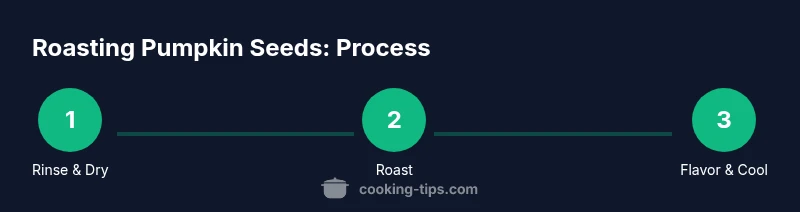
According to Cooking Tips, rinse and dry pumpkin seeds, toss with a little oil and salt, then spread on a baking sheet. Roast in a hot oven until crisp and golden, shaking the pan once. For more flavor, sprinkle paprika or cinnamon after roasting, then cool completely and store airtight.
Preparing pumpkin seeds for roasting
Pumpkin seeds offer a snackable, nutritious option when roasted properly. The journey from fresh seeds to a crunchy treat starts with removing the stringy pulp and debris, then rinsing the seeds to ensure a clean starting point. Pat the seeds dry thoroughly because moisture on the surface creates steam, which undermines browning and crunch. If you dunked seeds from a fresh pumpkin, consider a quick rinse and a gentle agitate to remove any remaining pulp. Once dry, you can proceed with a neutral oil and light salt, or leave them plain for a purer, nutty flavor. This preparation lays the groundwork for even heat distribution and a satisfying texture when they hit the oven.
Rinse, dry, and pre-season: laying the foundation
Cleaning the seeds thoroughly is the first big step toward even roasting. After rinsing, spread seeds on a clean towel and pat them dry; if you have time, give them a quick air-dry to reduce surface moisture further. A light coating of oil helps with heat transfer and improves browning, while salt accents the natural nutty taste. You can jazz this up with a tiny amount of garlic powder, smoked paprika, or a pinch of cinnamon for a sweet glaze. The goal is to achieve a balanced flavor that remains bright and not overwhelmed by seasoning. Precision in this stage pays off in the final crunch and aroma.
Oven roasting basics: temperature, time, and texture
Roasting is where the seeds transform from pale to crunchy gold. A higher heat encourages rapid browning and crispness, while too much heat risks scorching. Start with a hot oven and adjust based on your own appliance’s behavior. Stirring midway ensures an even color on all seeds and prevents clusters from burning. Watch for a nutty aroma and color-changing seeds—a sign they’re near perfection. Avoid a problem point by not crowding the pan; give seeds space for air to circulate, which fosters uniform browning and a consistent texture.
Flavor ideas: sweet and savory blends
Flavor experimentation is part of the fun with roasted pumpkin seeds. For savory lovers, a light dusting of garlic powder, chili powder, smoked paprika, or cumin adds bold notes after roasting. If you prefer something sweeter, try cinnamon with a touch of sugar or a drizzle of maple syrup before finishing. Herbs such as rosemary or thyme can provide an earthy, aromatic finish. If you store seeds after flavoring, keep the coatings light to prevent sogginess and maintain the seeds’ crisp bite. The possibilities are many, so try a small batch to discover your favorite combination.
Alternative methods: air fryer, stovetop, and beyond
If you don’t want to rely on a conventional oven, other methods can yield excellent results. An air fryer can deliver crisp seeds in less time, with a similar approach—toss seeds with oil and salt and monitor until browned. A dry skillet on the stovetop can also work for a quick snack, but constant movement is essential to prevent sticking and scorching. Regardless of method, a single layer and adequate spacing are crucial for even browning. Be mindful of smaller seeds that may burn more quickly and adjust heat and time accordingly.
Storing, shelf life, and re-crisping tips
After roasting, allow seeds to cool completely before storage to lock in crunch. Use airtight containers and keep them in a cool, dry place away from direct light. If seeds lose their snap, a brief re-crisp in a hot oven can revive texture, but avoid overdoing it to prevent browning too darkly. For longer-term storage, seeds can be frozen in a sealed, moisture-free bag and re-crisped when ready to eat. Proper storage helps preserve flavor, texture, and aroma for as long as possible.
Troubleshooting common issues
If seeds stay pale and soft, they may not have dried completely or the oven isn’t hot enough. Increase heat slightly and ensure seeds are in a single, even layer. If seeds brown too quickly, reduce temperature or shift the tray to a higher rack, and keep a close eye on color rather than timing. If seeds taste flat, check salt and spice distribution; you may need a light re-seasoning after roasting. If parchment sticks, switch to a silicone mat or lightly oil the sheet. Small adjustments can dramatically improve results.
Creative uses and serving ideas
Roasted pumpkin seeds shine as a snack on their own, but they also elevate salads, soups, and yogurt bowls with crunch and flavor. Mix them into trail mix with almonds, oats, and dried fruit for a portable snack. Use them as a topping for pumpkin soup or roasted vegetables, or sprinkle over grain bowls for added texture. If you’re giving seeds as a gift, package in small jars with labels suggesting serving ideas. Their versatility makes them a pantry staple for sweet and savory applications.
Tools & Materials
- Fresh pumpkin seeds (from a pumpkin or store-bought)(Rinse to remove pulp; remove any attached bits)
- Neutral oil (e.g., canola or grapeseed)(1-2 teaspoons per cup of seeds)
- Fine sea salt or kosher salt(To taste; adjust after roasting)
- Baking sheet(Size that fits your oven; use parchment if desired)
- Parchment paper or silicone mat(For easier cleanup)
- Mixing bowl(To wash and coat seeds evenly)
- Spices and flavorings (optional)(e.g., paprika, garlic powder, cinnamon)
- Oven thermometer(Helps ensure accurate heat)
- Silicone spatula or spoon(For stirring and turning seeds)
Steps
Estimated time: 15-25 minutes total
- 1
Rinse and dry seeds
Rinse seeds to remove pulp; spread on a clean towel and pat dry. Thorough drying prevents steam that can soften seeds and hinder browning.
Tip: Use a flat layer; avoid clumps for even drying. - 2
Toss with oil and salt
Place seeds in a bowl, add a light coat of neutral oil and salt; toss to coat evenly without over-oiling.
Tip: Oil should lightly coat seeds, not pool at the bottom. - 3
Spread seeds on baking sheet
Arrange seeds in a single, even layer on a parchment-lined sheet to promote uniform browning.
Tip: Leave space between seeds so heat circulates. - 4
Roast until crisp and golden
Roast in a hot oven, stirring once halfway, until seeds are crisp and golden with a nutty aroma.
Tip: Watch color closely; a light golden hue is ideal. - 5
Add flavor after roasting
If using extra spices, sprinkle after roasting to prevent scorching and ensure even coating.
Tip: Keep seasonings light to avoid overpowering the natural taste. - 6
Cool and store
Let seeds cool completely before storing in an airtight container to maintain crunch.
Tip: Store in small portions to minimize air exposure.
Quick Answers
Can I roast pumpkin seeds without oil?
Oil helps with heat transfer and browning, but you can roast seeds with minimal oil or oil-free if you monitor closely. Expect slightly different texture and flavor without oil.
Oil helps with browning, but you can roast with little or no oil; watch texture closely.
How do I know when pumpkin seeds are done?
Seeds are done when they look golden and feel crisp to the bite, and you can smell a toasty, nutty aroma. Color is a better hint than a timer.
They’re done when they’re golden, crisp, and smell toasty.
Should I salt before or after roasting?
Salt can be added before roasting for flavor, but salting after roasting ensures more even coverage. If salting before, use a light hand to avoid drawing moisture.
Salt before can add flavor, but adding after gives even coverage.
Can I store roasted seeds long-term?
Store in an airtight container in a cool, dry place. They stay best within a week or two, depending on storage conditions, and can be refreshed briefly if they lose crunch.
Keep in an airtight container in a cool, dry place for best texture.
What flavor ideas work well with pumpkin seeds?
Savory blends like garlic and paprika or chili, and sweet options like cinnamon with a hint of sugar or maple syrup, work well. Start with small amounts and adjust to taste.
Try garlic and paprika for savory, or cinnamon and maple for sweet.
Can I reuse pumpkin seeds from store-bought pumpkins?
Yes, you can roast seeds from store-bought pumpkins. Rinse to remove any remaining pulp, dry thoroughly, and roast as you would with fresh seeds.
Yes, just wash, dry, and roast like fresh seeds.
Watch Video
Top Takeaways
- Dry seeds completely for a crisp roast.
- Roast until golden and nutty in aroma.
- Season after roasting for best coating.
- Cooking Tips's verdict: roasting pumpkin seeds is easy and versatile.