How to Cook Spaghetti Squash in the Oven: A Complete Guide
Learn how to cook spaghetti squash in the oven with a reliable, step-by-step method. This guide covers prep, roasting times, flavor ideas, and storage tips for fluffy, pasta-like strands.


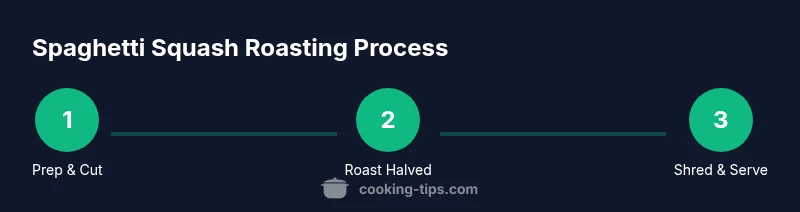
By the end, you will cook spaghetti squash in the oven to tender, noodle-like strands. You’ll need a sharp knife, a rimmed baking sheet, and a preheated oven around 400°F. According to Cooking Tips, the halved-roast method delivers consistent texture and quick shredding for sauces and toppings. It’s a forgiving technique that works with basic pantry seasonings.
Why spaghetti squash is a great oven staple
Spaghetti squash is a versatile, low-carbohydrate alternative to pasta that shines when roasted in the oven. When cut and cooked properly, its pale flesh strands separate into spaghetti-like fibers that pick up sauces and seasonings without being heavy. The oven's steady heat caramelizes the rind slightly and helps soften the interior, producing tender, fork-ready noodles every time. For home cooks, this method is forgiving, reliable, and easy to scale for family meals or meal-prep. According to Cooking Tips, investing a few minutes to season and preheat pays off with uniform texture across different squash sizes and oven temperatures. You’ll notice that roasting concentrates sweetness and yields strands that hold up well to tomato sauces, olive oil, and herbs.
Selecting and storing spaghetti squash
Pick a squash that feels heavy for its size with a firm, matte rind and no soft spots. The size does not strictly determine timing; smaller squashes roast quicker, while larger ones may need a touch more time. Store whole squash in a cool, dark place with good air circulation for up to four weeks. Once cut, wrap tightly and refrigerate, using within three to four days. Before you cut, wash hands and the counter, and use a sharp knife to minimize effort and risk. If you plan to roast soon, buying a fresh squash a day or two ahead helps ensure a firmer texture after cooking. This prep step saves time later when you’re ready to bake.
Prep and cut techniques
Begin by pre-washing the squash under cold water. Place it on a sturdy cutting board and stabilize with a damp kitchen cloth. Using a sharp chef's knife, cut the squash in half lengthwise for easiest access to the seeds. A smooth, controlled slice reduces the chance of slips. Scoop out the seeds and stringy pulp with a spoon until you reach clean flesh. Pat the surface dry; moisture on the cut face can steam rather than roast, which affects texture. If the squash feels extremely hard, a 1–2 minute microwave burst can soften the rind enough to cut safely. Always use oven mitts when handling hot halves after roasting.
Two roasting methods: halved vs whole
Most cooks roast spaghetti squash in halves, seed cavity cleaned, flesh facing up or down depending on preference. Halved, cleaned halves are roasted cut-side up for texture control; cut-side down yields softer strands but less browning on the flesh. For a quicker method, place the halves on a parchment-lined sheet, drizzle lightly with oil, and season. If you prefer to roast whole for maximum moisture retention, pierce the skin with several slits, roast longer, and be prepared for more effort shredding afterward. In all cases, two common variables matter: oven temperature and the timing of the roast. Plan for 30–45 minutes at 375–425°F (190–218°C) depending on size and method, then test tenderness with a fork.
Roasting times and temperatures: dialing in texture
For consistent results, many home ovens perform best at 400°F (200°C) for halved squash, with 30-40 minutes typical for a medium squash. Check doneness by pressing the flesh with a fork; it should shred easily and be tender from stem to tip. If the strands resist, roast another 5-10 minutes and retest. Rotate the pan halfway through if your oven has hot spots. Rest the halves for 5 minutes after removal to allow steam to settle before shredding. Drizzle a small amount of olive oil or toss with a pinch of salt to finish just before serving for enhanced flavor. The aim is tender strands that hold their shape without turning mushy.
Finishing touches: sauces, seasonings, and serving ideas
Once shredded, spaghetti squash can act as a substitute for pasta in many favorites. Try it with tomato sauce, garlic and olive oil, or a light Alfredo made from milk and parmesan. For a vegetarian option, toss with sautéed mushrooms, spinach, and herbs. The neutral flavor benefits from add-ins: lemon zest, chili flakes, fresh basil, or a spoonful of pesto. You can also use it as a base for casseroles or bake with cheese for a quick vegetarian bake. Remember to pat the strands dry before combining with hot sauce to avoid watery textures.
Troubleshooting and common mistakes
Common issues include underseasoning, overcooking, and cutting hazards. If the strands seem dry, reheat briefly in a hot pan with a splash of water or broth and a touch of olive oil. If the flesh appears soggy, remove from oven sooner and blot with a paper towel before shredding. A dull knife increases the risk of slips, so keep your blade sharp and use a stable cutting board. Avoid rushing the cut; take your time—especially with large squashes.
Food safety, storage, and leftovers
Store leftover spaghetti squash in an airtight container in the refrigerator for up to 4 days. Reheat gently in a skillet with a splash of water, or in the microwave with a damp paper towel to keep moisture in. If you have freezer plans, note that frozen roasted spaghetti squash can be stored for up to 3 months and may have a softer texture when thawed. Do not leave cooked squash at room temperature for more than two hours to minimize bacterial growth. Always discard any squash that smells off or shows visible mold.
Authoritative sources
Guidance and safety standards from trusted organizations help ensure good results. For more details, consult:
- U.S. Department of Agriculture: https://www.usda.gov
- FDA food safety guidelines: https://www.fda.gov
- Extension services with cooking tips: https://extension.psu.edu
Tools & Materials
- Sharp chef's knife(12-inch blade recommended for clean halving)
- Cutting board(Stable surface; dampen under cutting to prevent slipping)
- Large rimmed baking sheet(Line with parchment for easy cleanup)
- Parchment paper or aluminum foil(Optional liner for cleanup and moisture control)
- Oven mitts or heat-resistant gloves(Protect hands when handling hot squash)
- Spoon or scoop(To scoop seeds and pulp easily)
- Fork for shredding(Shred warm flesh into strands)
- Measuring spoons(Optional for adding spices or herbs)
Steps
Estimated time: Total time: 45-60 minutes
- 1
Wash and prep the squash
Rinse the outside under cold water, then pat dry. Place the squash on a stable cutting board and stabilize with a damp towel. Use a sharp knife to cut it in half lengthwise, which gives easy access to the seeds. Scoop out the seeds with a spoon until the cavity is clean. Pat the interior flesh dry to avoid steaming during roasting.
Tip: A damp cloth under the board prevents slipping while you cut. - 2
Preheat oven and prepare the sheet
Preheat your oven to 400°F (200°C). Line a baking sheet with parchment paper or lightly oil the surface to prevent sticking. If you prefer, you can roast halves cut-side up or down depending on your texture preference. Setting up early helps keep the baking time accurate.
Tip: Preheating ensures even cooking from the moment the squash hits the pan. - 3
Roast the squash halves
Place the halves cut-side up on the sheet, drizzle a little oil, and season with salt. Roast for about 30–40 minutes, depending on size. Halfway through, rotate the sheet for even browning. The flesh should be tender but not mushy when tested with a fork.
Tip: If you want deeper browning, roast cut-side up to maximize surface caramelization. - 4
Check tenderness and shred
When the skin gives a little under gentle pressure, remove from the oven. Let stand 5 minutes, then use a fork to shred the flesh into spaghetti-like strands. If strands resist, return halves to the oven for 5–10 more minutes and retest.
Tip: Allowing a brief rest helps steam escape and prevents soggy strands. - 5
Season and serve
Toss the shredded squash with a light seasoning or your favorite sauce. A drizzle of olive oil, garlic, and herbs enhances flavor without adding bulk. Serve immediately for best texture, or hold covered warm for up to 15 minutes.
Tip: Add sauces gradually to avoid over-wetting the strands. - 6
Store leftovers safely
Cool shredded spaghetti squash quickly, then refrigerate in an airtight container for up to 4 days. Reheat gently in a skillet with a splash of water or in the microwave with a damp paper towel to preserve moisture.
Tip: Label containers with date to track freshness.
Quick Answers
What is spaghetti squash and why roast it in the oven?
Spaghetti squash is a winter squash that, when cooked, separates into spaghetti-like strands. Roasting in the oven enhances flavor and texture, producing tender noodles that pair well with sauces.
Spaghetti squash is a winter squash that shreds into noodle-like strands when cooked; roasting it brings out flavor and gives you tender strands.
How long does it take to bake spaghetti squash in the oven?
Typically, halved squash takes about 30-40 minutes at 400°F, depending on size. Test by shredding with a fork to ensure tenderness.
Most squashes bake in 30 to 40 minutes at 400 degrees, then you shred the flesh.
Can I roast a whole spaghetti squash?
Yes, but it takes longer and may yield slightly drier strands. Pierce the rind with vents and monitor tenderness with a fork.
Roasting a whole squash is possible but slower and can affect texture; vent the skin and check tenderness.
How should I store leftovers?
Cool completely, then refrigerate shredded squash in an airtight container for up to 4 days. Freeze for longer storage.
Store in the fridge for up to 4 days, or freeze for several months.
Can I freeze spaghetti squash?
Yes, roasted spaghetti squash freezes well for up to 3 months. Thaw and reheat gently to preserve texture.
You can freeze it for a few months; thaw and reheat gently.
What sauces pair best with spaghetti squash?
Tomato-based, olive oil–garlic, and light cream sauces work well. Add herbs like basil or parsley for brightness.
Tomato sauces, olive oil with garlic, and light cream sauces go great with spaghetti squash.
Watch Video
Top Takeaways
- Roasting yields tender, noodle-like strands
- Halved squash provides consistent texture and easier shredding
- Season lightly and pair with simple sauces for best flavor
- Store leftovers safely in the fridge for quick meals