How to Cook Spaghetti Squash: Easy Weeknight Methods
Learn how to cook spaghetti squash quickly using oven roasting, microwaving, or steaming. This practical guide from Cooking Tips covers selection, prep, shredding, sauces, and storage for tasty, pasta-like strands.


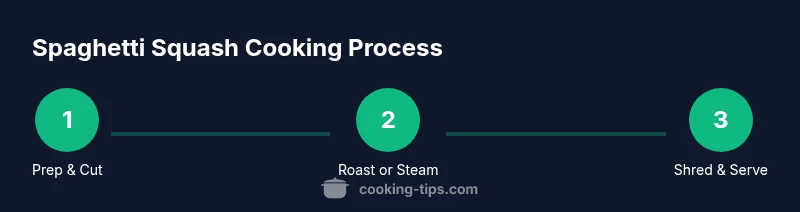
Learn how to cook spaghetti squash using oven roasting, microwave, or steaming, then shred into pale, pasta-like strands and finish with your favorite sauce. You’ll need a sharp knife, a baking sheet or microwave-safe dish, and a fork. Start by halving and seeding, then cook until tender and scrape into strands.
What is spaghetti squash and why it's a great pasta substitute
According to Cooking Tips, spaghetti squash is a winter squash that, when roasted and shredded with a fork, yields spaghetti-like strands. Its pale, noodle-like flesh pairs with many sauces, offering a light texture that can mimic pasta without gluten. Nutrition-wise, it provides fiber and micronutrients with fewer calories and carbohydrates than traditional pasta. This makes it an appealing base for low-carb dinners or meatless meals. When you set out to cook spaghetti squash, choosing the right fruit matters: look for a firm rind, even color, and a heft that matches the size. A medium squash (roughly 4–6 pounds) usually yields 2–4 cups of strands, enough for two to four servings. After cooking, the strands should easily separate with a fork and hold their shape, not collapse into mush. Spaghetti squash adapts to many cuisines: lemon-garlic, tomato-based, or creamy dairy-free sauces all work well. As you master how cook spaghetti squash, keep your cutting board stable, your knife sharp, and your patience steady—the result is creamy, delicate noodles you can pair with any favorite topping.
Quick-start guide: choose, prepare, and season
To begin, pick a fresh spaghetti squash that feels heavy for its size and has no soft spots. Wash the rind, then dry it. For cutting, rest the squash on a damp towel to keep it from sliding. Use a long, sharp blade to halve it lengthwise; this crack is the first critical step in how cook spaghetti squash. Scoop out the seeds and stringy pulp with a spoon; discard or toast the seeds for a snack. Lightly oil the cut faces if you’re roasting, and season with a pinch of salt. If you’re short on time, the microwave method can save minutes: you’ll still want to remove seeds, but you can skip long oven preheating. For best flavor, season the flesh lightly before cooking so the flavor penetrates evenly. Finally, set up your chosen cooking method: oven roasting for depth, microwave for speed, or steaming for moisture. With patience and the right tools, you’ll transform the squash into tender, translucent strands ready to mingle with sauce.
Oven roasting method: classic technique for textured strands
Roasting is the most reliable way to coax deep flavor and a al dente texture from spaghetti squash. Preheat your oven to 400F (200C). Place the halved squash cut-side down on a lined baking sheet so the flesh steams as it bakes. Roast for 40–50 minutes, until the skin yields to gentle pressure and the flesh can be scraped into strands easily. Let the squash rest 5–10 minutes after removing from the oven; this makes shredding safer and strands more cohesive. Scrape the flesh with a fork to create long, noodle-like strands, discarding the skin. If you want extra browning, flip the halves halfway through roasting and brush the flesh with a light coating of olive oil. This method yields hearty, fork-tender strands that hold up to sauces without collapsing. When you’re done shredding, taste and salt lightly to finish before saucing. Oven-roasted spaghetti squash is versatile and can act as a blank canvas for a wide range of sauces.
Microwave method: a fast alternative for weeknights
The microwave offers a quick route to spaghetti squash without heating the whole kitchen. Start by arranging two halves cut-side down in a microwave-safe dish with about 1/2 inch of water. Cover to trap steam and microwave on high for 8–12 minutes per half, depending on squash size and microwave power. Let it stand for 5–10 minutes before handling; the steam continues cooking and softens the flesh. Use a fork to scrape the warm flesh into strands; if necessary, return halves to the dish and microwave briefly to reach the desired tenderness. Remove any excess moisture by gently pressing the strands with a clean towel or paper towel. Microwave cooking preserves moisture but can yield a softer texture than roasting, so you may want to finish with a quick broil or sauté for extra bite. This method is ideal when timing is tight but you still want to enjoy the noodle-like texture.
Steaming and pressure-cooker options
Steaming preserves more moisture and yields lighter strands, while a pressure cooker can shave off time. For steaming, place the halves cut-side down over a few inches of water in a steamer basket. Steam for 15–20 minutes, until the flesh is tender enough to shred. If you’re using a pressure cooker, add 1 cup of water to the pot, insert a trivet, and stack the halves upright. Cook on high pressure for 8–10 minutes, then quick-release the steam. Let the squash rest briefly, then shred with a fork. Both methods produce strands that are easy to separate, with the texture leaning toward al dente if you adjust cooking time. Be mindful of steam when opening lids and releasing pressure. If you notice stringy, dry strands, return to heat briefly or finish with a brief broil. Steaming or pressure cooking are excellent options when you want to avoid oven heat or when batch-cooking for several meals.
Finishing touches: sauces, flavors, and serving ideas
Once you have shredded spaghetti squash, the finishing stage is where you customize flavor. A simple garlic-butter sauce with a squeeze of lemon brightens the dish, while a classic marinara or quick tomato sauce gives a comforting, familiar vibe. Pesto works beautifully, pairing well with the squash’s mild sweetness, and a light dairy-free alfredo can provide a creamy contrast without heaviness. For extra protein, stir in cooked ground turkey, shredded chicken, or sautéed mushrooms. A sprinkle of grated cheese or nutritional yeast adds savoriness. For a low-carb, gluten-free version, top with a squeeze of olive oil and fresh herbs. If you’re using the oven-roasted version, toss the strands with sauce while warm to help the sauce cling. Taste and adjust salt and acidity before serving. Spaghetti squash is a versatile canvas that invites experimentation with herbs, citrus, and spices to suit any cuisine.
Troubleshooting: common issues and fixes
If your strands turn out undercooked or mushy, check your cooking time and the squash size; smaller squashes require less time. If your strands are watery, let them rest in a paper towel-lined bowl to absorb excess moisture or briefly microwave to evaporate moisture. For dry strands, allow a touch more moisture in the cooking stage or choose a sauce with some liquid; finishing with a splash of broth or sauce helps. If shredding is difficult, return halves to the oven for 5–7 minutes or re-steam briefly. For the microwave method, ensure you use adequate water to generate steam and avoid overheating, which toughens the flesh. Storing leftovers properly in an airtight container helps maintain texture; reheat gently to preserve strands. With these tweaks, you can troubleshoot most texture issues and keep your spaghetti squash dishes delicious.
Meal planning and batch prep: storing and reheating spaghetti squash
Batch cooking spaghetti squash is convenient for busy weeks. After shredding, you can portion out servings into airtight containers for quick meals. Refrigerate up to 3–5 days; freeze for longer storage, though texture may change slightly upon thawing. To reheat, warm on the stovetop with a splash of water or broth, or microwave with a loose lid to prevent drying. Cooking tips: par-cook smaller batches to avoid rework; store separately from sauces to maintain texture; reheat with sauces to restore moisture. Reheating gently helps preserve the delicate strands and prevents sogginess. With proper storage, you can assemble a week of fast, healthy meals using spaghetti squash as a base, then top with your favorite sauces or proteins.
Authority references and further reading
For additional guidance and tested techniques, consult reputable sources cited by Cooking Tips. Useful, authoritative links include USDA/NIFA resources and university extension sites that cover safe handling, cooking times, and nutrition of winter squash. These references help validate the methods described here and offer deeper dives into variations and substitutions. By cross-referencing trusted sources, home cooks can refine their technique and tailor spaghetti squash dishes to family preferences.
Tools & Materials
- Sharp chef's knife(12-inch blade preferred for lengthwise cutting)
- Cutting board(Stable surface; non-slip is best)
- Baking sheet(Line with parchment for easy cleanup)
- Microwave-safe dish(Needed for microwave method)
- Parchment paper(Optional for roasting to minimize sticking)
- Fork for shredding(Essential to create strands)
- Tongs(Helpful for handling hot squash)
- Measuring spoons(For adding precise seasonings to sauces)
Steps
Estimated time: 45-60 minutes
- 1
Prepare workspace and tools
Clear a stable surface and assemble a sharp knife, cutting board, baking sheet, and towels. Wash the squash to remove any residue, then dry well. This reduces slips and ensures clean cuts.
Tip: Place a damp towel under the cutting board to prevent sliding. - 2
Cut the squash in half lengthwise
Use a sharp knife to cut from stem to tip. If the flesh resists, gently heat the squash for a minute or two or score the rind to ease penetration.
Tip: Keep your non-dominant hand away from the blade edge; stabilize with the palm on the squash. - 3
Scoop out seeds and strings
Scoop with a spoon to remove all seeds and fibrous pulp. This prevents bitterness and creates a clean surface for even cooking.
Tip: Toast the seeds separately for a tasty snack. - 4
Roast in the oven (classic method)
Preheat to 400F (200C). Place halves cut-side down on a lined baking sheet and roast 40–50 minutes until tender. Rest 5–10 minutes before shredding.
Tip: Flip halfway and brush flesh with a light olive oil if you want extra browning. - 5
Shred into strands
Use a fork to scrape the warm flesh into noodle-like strands. If needed, return to heat briefly for more tenderness.
Tip: Handle carefully; the squash will be very hot. - 6
Sauce and serve
Toss warm strands with your chosen sauce and a pinch of salt. Adjust acidity and seasoning to taste. Serve immediately for best texture.
Tip: Finish with fresh herbs or a dairy-free cheese substitute.
Quick Answers
What is spaghetti squash and why is it a good pasta substitute?
Spaghetti squash is a winter squash that, when cooked and shredded, forms noodle-like strands. It’s gluten-free, lower in calories and carbs than traditional pasta, and pairs well with many sauces.
Spaghetti squash is a winter squash that shreds into noodle-like strands after cooking. It’s gluten-free and lowers carbs compared to pasta, making it a versatile substitute.
How long does it take to cook spaghetti squash in the oven?
Roasting at 400F for 40–50 minutes yields tender strands. Allow 5–10 minutes to rest before shredding.
Roast at 400F for about 40 to 50 minutes, then rest a few minutes before shredding.
Can I cook spaghetti squash in a microwave?
Yes. Cut the squash in half, remove seeds, add water to a microwave-safe dish, cover, and cook 8–12 minutes per half. Rest before shredding.
Yes, you can microwave halves with a little water, usually 8 to 12 minutes per half. Rest briefly before shredding.
How should I store cooked spaghetti squash?
Refrigerate in airtight containers for 3–5 days; freeze for longer storage, though texture may change upon thawing.
Store cooked spaghetti squash in an airtight container in the fridge for a few days, or freeze for longer storage.
What sauces pair well with spaghetti squash?
Tomato-based sauces, pesto, garlic butter, and light dairy-free alfredo all work well with spaghetti squash.
Tomato sauces, pesto, and garlic butter all pair nicely with spaghetti squash strands.
Is there a preferred method for batch cooking spaghetti squash?
Roast or steam in larger batches, then refrigerate shredded strands separately from sauces for quick meals.
Batch cook by shredding and refrigerating separately from sauces for easy meals.
Watch Video
Top Takeaways
- Cook spaghetti squash using multiple methods for flexibility
- Shred flesh into strands for pasta-like texture
- Season and sauce after shredding for best flavor
- Store leftovers properly to maintain texture