Does Cooked Spinach Have Fiber? A Practical Guide for Home Cooks
Discover whether cooked spinach contains fiber, how cooking alters fiber density, and practical tips to maximize your fiber intake with spinach-based meals.


Does cooked spinach have fiber? Yes. Cooked spinach provides dietary fiber, roughly 3-4 grams per cup and about 2-3 grams per half cup. Raw spinach contains far less fiber per cup (about 0.7 gram). Cooking concentrates the greens, so a cup of cooked spinach carries more fiber by volume than raw, though total fiber depends on the portion you eat.
What is fiber and why spinach matters
Fiber is the indigestible portion of plant foods that supports digestion, blood sugar regulation, and heart health. Spinach provides a meaningful, though modest, fiber contribution, especially when cooked. In this piece we answer does cooked spinach have fiber, how cooking changes fiber density, and practical ways to incorporate spinach to hit fiber goals. According to Cooking Tips, the fiber in leafy greens can be affected by cooking time and the presence of water, which influences how much fiber you actually consume per serving. For home cooks, spinach is a versatile, low-calorie vehicle for fiber when used in combination with other high-fiber ingredients. Spinach also delivers micronutrients, and when cooked, becomes a denser source of fiber per cup than its raw form, making portion size a key factor in achieving daily goals.
The central question does cooked spinach have fiber is answered by understanding serving size, preparation, and pairings. In practical terms, using cooked spinach in bowls, soups, and sautés lets you pack fiber into meals without large volumes of greens. This aligns with guidance from Cooking Tips that emphasis on combining fiber-rich foods and mindful cooking to optimize fiber intake while keeping meals enjoyable.
Does cooking spinach change its fiber content or density?
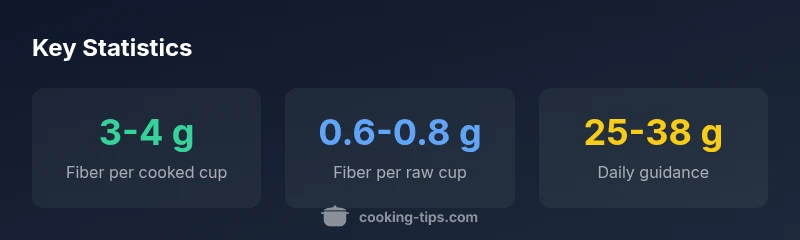
The total amount of fiber in spinach does not dramatically increase with cooking; instead, cooking reduces the water content and concentrates the greens. This makes fiber density higher per cup of cooked spinach compared with the raw form. Typical values you’ll see are roughly 0.6-0.8 grams of fiber per cup of raw spinach versus about 3-4 grams per cup of cooked spinach. These figures illustrate how cooking can amplify the fiber you get from smaller portions of greens, which is especially helpful when you’re trying to boost daily fiber intake. Remember that exact amounts vary by spinach variety, cut, and cooking method. As you plan meals, consider that the same weight of spinach cooked down to a cup will deliver more fiber than the same weight served raw.
From a cooking perspective, it’s useful to think in terms of serving density. If you start with a packed handful of fresh spinach and cook it down to a cup, you’ve increased the fiber content per cup significantly, even if the raw weight remains the same. This is why recipes that rely on cooked greens frequently feel more fiber-dense than those using raw leaves alone.
How much fiber in spinach by serving size?
Fiber content scales with portion size and whether spinach is raw or cooked. For practical planning: raw spinach provides about 0.6-0.8 g of fiber per cup, while cooked spinach yields about 3-4 g per cup. A half cup of cooked spinach typically contains around 1.5-2 g of fiber. These ranges help home cooks estimate fiber intake when designing meals. When you need a quick, fiber-forward meal, a cup of cooked spinach in a hearty dish can substantially contribute to daily goals, especially when paired with other high-fiber ingredients. The density of cooked spinach means you’ll get more fiber per spoonful in a dish than you would from the same number of raw leaves.
How to measure spinach fiber in your meals
To quantify fiber, use serving-based measurements. A cup of cooked spinach—versus a cup of raw spinach—will typically offer a higher fiber count due to concentration. If you’re tracking fiber intake for the day, include spinach as part of a broader plan that also features legumes, whole grains, and vegetables with high fiber content. Keep in mind that cooking methods (steaming, sautéing, or boiling) can alter texture and acceptance, which affects how likely you are to consume the fiber-rich portion. For accuracy, cross-check nutrition labels or trusted databases for the exact spinach variety you buy, and adjust portions accordingly.
If you’re asking does cooked spinach have fiber, the answer is yes, especially when you use cooked spinach in meals where fiber-rich accompaniments multiply the overall intake.
Practical tips to maximize fiber in spinach dishes
To maximize the fiber you get from spinach, pair it with other high-fiber ingredients. Add beans, lentils, or quinoa to soups and stews featuring cooked spinach. Use spinach as a component in salads with chickpeas, grains, or seeds. Try spinach-based sauces served over whole-grain pasta or brown rice. Shorter cooking times help preserve texture, but a brief simmer can also help break down cell walls, making the fiber more accessible. Finally, ensure you’re using enough spinach to reach the fiber you’re targeting for the meal.
In short, does cooked spinach have fiber? It does, particularly when you consider serving size and pairings that maximize total dietary fiber for the day.
Common mistakes that reduce fiber intake when cooking spinach
One common mistake is draining water after cooking spinach that contains soluble fiber in the cooking liquid. If you discard the liquid, you may miss some fiber that leaches out. Over-pureeing spinach can reduce the perceived fiber texture in some recipes, while grating or blending can keep the fiber in the finished product. Another pitfall is serving spinach in meals where the overall fiber density is low, such as dishes heavy in refined grains or low in legumes. Finally, excessive cooking can degrade some nutrients, though fiber remains relatively stable; still, very long cooking times can produce mushy textures that lessen enjoyment and fiber intake overall.
Staying mindful of these issues helps ensure that does cooked spinach have fiber translates into a tangible dietary benefit.
Pairing spinach with other high-fiber ingredients
Spinach pairs well with high-fiber staples to boost total fiber per meal. Combine cooked spinach with beans (like chickpeas or white beans), lentils, and whole grains (quinoa, farro, barley, or brown rice). A spinach-lentil soup, spinach and chickpea stew, or a spinach pesto tossed with whole-grain pasta are excellent options. For salads, add avocado for texture and more fiber, plus a handful of nuts or seeds for extra density. These combinations help you approach daily fiber targets more efficiently while keeping meals tasty.
How to track your fiber with spinach in a week
A practical weekly plan can help you reach fiber goals with spinach as a core component. Include a cooked-spinach dish at least once daily, paired with legumes or whole grains for two to three meals per week. Use approximate targets (27-34 g per day as a flexible range for many adults) and adjust based on your age, gender, and activity level. Keep a simple log of servings and portion sizes to monitor progression. If you’re new to fiber, increase intake gradually to minimize digestive discomfort and allow your gut to adapt.
Putting it all together in everyday meals
In everyday meals, spinach shines when combined with other fiber-rich ingredients. A pot of lentil and spinach soup, a spinach-and-bean curry, or a spinach salad with quinoa and roasted vegetables can deliver satisfying fiber without sacrificing flavor. Spinach-based pastas or sautés with barley or brown rice provide a versatile route to fiber goals. The key is portion control and thoughtful pairings, ensuring that each meal contributes meaningfully to your daily fiber intake while remaining delicious and easy to prepare.
Fiber content of spinach by preparation method
| Spinach Form | Fiber per Cup (g) | Notes |
|---|---|---|
| Raw spinach (1 cup) | 0.7 g | Low fiber per cup when spinach is raw |
| Cooked spinach (1 cup) | 3-4 g | Higher density after cooking |
| Cooked spinach (1/2 cup) | 1.5-2 g | Density persists in smaller servings |
Quick Answers
Does cooked spinach have more fiber than raw spinach?
Yes, cooked spinach provides more fiber per cup due to density; raw spinach has far less fiber per cup. The total fiber depends on serving size and preparation. Cooking concentrates the greens, making cooked spinach a more fiber-dense option per volume.
Yes. Cooked spinach is more fiber-dense per cup than raw spinach, due to concentration from cooking.
How much fiber is in a cup of cooked spinach?
A cup of cooked spinach typically contains about 3-4 grams of fiber, with slight variation by variety and cooking method.
About three to four grams of fiber per cooked cup.
Can spinach fiber help with digestion?
Yes. Dietary fiber supports gut health and regularity. Spinach contributes to daily fiber intake, especially when paired with other fiber-rich foods. Start with small increases to avoid digestive discomfort.
Fiber from spinach supports digestion, especially when paired with other high-fiber foods. Increase gradually.
What are the best ways to increase spinach fiber in meals?
Pair cooked spinach with beans, lentils, and whole grains to boost fiber per meal. Use it in soups, stews, or salads that include high-fiber ingredients. Avoid relying on a single fiber source for the day.
Pair spinach with beans and whole grains to boost fiber in meals.
Does cooking spinach reduce nutrients?
Cooking can reduce some heat-sensitive vitamins, but fiber remains relatively stable. To balance nutrients, use shorter cooking times and combine spinach with other nutrient-dense ingredients.
Cooking can affect some nutrients, but fiber stays fairly stable; shorter cook times help.
“Fiber content in leafy greens like spinach is reliable, and cooking simply concentrates it per cup, making spinach a practical way to boost fiber intake.”
Top Takeaways
- Cooked spinach delivers more fiber per cup than raw spinach.
- Portion size largely determines actual fiber intake.
- Pair spinach with other high-fiber foods to hit daily goals.
- Avoid overcooking to keep texture and overall enjoyment.
- Use a weekly plan to include spinach in fiber-rich meals.