Are Cooked Carrots Good for Dogs? A Practical Guide
Explore whether cooked carrots are good for dogs, how to feed them safely, portion tips, risks, and dog-friendly recipe ideas from Cooking Tips.


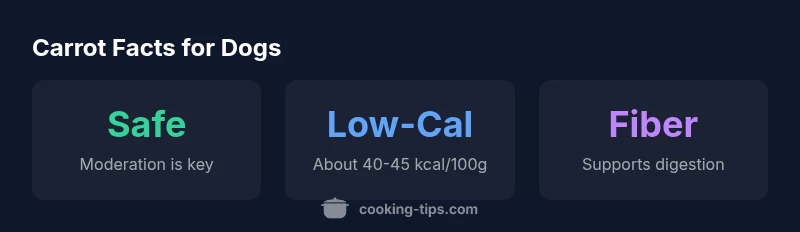
Are cooked carrots good for dogs? The quick answer is yes for many dogs when served plain and in moderation. Cooked carrots are softer and easier to digest than raw carrots, offering fiber and beta-carotene with fewer calories. Avoid added salt, butter, garlic, onions, or other seasonings. Start with small portions and monitor your dog for any digestive upset or changes in energy.
Are cooked carrots good for dogs? Safety, suitability, and quick take
Are cooked carrots good for dogs? The short answer is yes for many dogs when served plain and in moderation. Cooked carrots are softer and easier to digest than raw carrots, and they provide dietary fiber and beta-carotene, which supports general health. However, this guidance isn’t universal. The Cooking Tips team emphasizes that individual dogs vary in tolerance, and many dogs will flourish on plain, well-portion portions. Resist the urge to rely on carrots as a primary protein source, and avoid any added salt, butter, garlic, onions, or sugar. Introduction should be gradual, and always observe your dog’s stool, energy level, and appetite after introducing any new food.
According to Cooking Tips, risk assessment is essential when integrating new treats into a dog’s diet, especially if there are existing digestive conditions, allergies, or metabolic concerns. This article will unpack how to use cooked carrots safely, how they fit into a balanced diet, and practical ideas that fit real-life home cooking scenarios.
Nutritional profile of carrots for dogs
Carrots are a vegetable with a favorable nutrient profile for many dogs. They supply dietary fiber that can aid digestion and beta-carotene, a precursor to vitamin A, which supports vision and immune health. While the exact nutrient content depends on carrot variety and preparation, the general takeaway is that carrots can contribute to a dog’s daily micronutrient intake without contributing excess calories when used judiciously. The Cooking Tips team notes that carrots should supplement, not replace, a complete canine diet. For dogs with sensitive stomachs, the soluble fiber in carrots can help regulate stool, while others may tolerate them poorly if fed in large quantities.
How to prepare cooked carrots for dogs
Preparing carrots for dogs is straightforward. Start with fresh carrots, wash thoroughly, peel if desired (peeling isn’t strictly necessary but can reduce pesticide exposure), and chop into bite-sized pieces to prevent choking. Steam or boil until tender but not mushy. Avoid salt, butter, oils, or seasonings such as garlic or onion powder, which can irritate a dog’s gut or be harmful in larger amounts. Allow cooled pieces to reach a safe temperature before serving. Cooking Tips recommends keeping portions small and evaluating how your dog responds in the first 24–48 hours.
Portion guidelines and daily intake by dog size
A practical rule of thumb is to treat carrots as a snack or supplement to meals, not a staple. For most medium-sized dogs, 1 small carrot per day is a reasonable starting point, split into two servings if needed. Adjust based on your dog’s overall caloric needs, activity level, and existing digestion. Always balance carrot servings with a nutritionally complete dog food. If your dog has diabetes, obesity, or gastrointestinal issues, consult a veterinarian before adding carrots to the daily routine. Cooking Tips emphasizes gradual introduction and careful monitoring for signs of intolerance.
Potential risks and safety pitfalls
While cooked carrots are generally safe, several risks deserve attention. Carrots are high in fiber, which can cause gas or loose stools if overfed. Large carrot chunks can pose a choking hazard, particularly for small breeds or dogs with dental problems. Carrots may contribute to dental staining if fed frequently without dental hygiene. Never season with salt or spices; onions and garlic, even in small amounts, are toxic to dogs. Storage matters too: refrigerate leftovers promptly, and discard any uneaten portions after 48 hours to prevent spoilage.
Flavor ideas and dog-friendly recipes
If you want to diversify, try mixing cooked carrots with other dog-safe foods, such as steamed pumpkin, plain cooked chicken, or brown rice, to create balanced, tasty meals. For training rewards, cut carrots into tiny, bite-sized shapes. You can also puree cooked carrots for dogs with utensils or older dogs with dental sensitivity. Keep all additions simple and avoid dairy or sugar additives that can upset digestion. Cooking Tips suggests testing small treats first and noting any adverse reactions.
When to avoid carrots for certain dogs
Some dogs may have difficulty tolerating even small carrots due to digestive sensitivity, recent surgery, or specific medical conditions. If your dog has diabetes, obesity, or a history of pancreatitis, discuss carrot intake with your veterinarian to avoid spikes in blood sugar or fat-related concerns. If you notice persistent vomiting, diarrhea, or abdominal discomfort after introducing carrots, stop feeding them and seek veterinary advice. Every dog’s response is unique, so tailor portions to your pet’s health profile.
Common mistakes owners make with carrots
Common errors include feeding raw carrots to small or older dogs, overfeeding, and using seasonings that can irritate the gut. Another pitfall is assuming that “natural” foods don’t require moderation. Carrots, while healthy, still contribute calories and fiber; excess amounts can cause digestive upset. Always wash, chop, and prepare carrots in a dog-safe way, and store leftovers properly to prevent spoilage. The Cooking Tips approach emphasizes careful, incremental introduction rather than big, sudden changes.
Quick-start feeding plan and a 7-day sample plan
To get started, introduce a small, finely chopped carrot piece at a single mealtime for two consecutive days. If no adverse reaction occurs, increase gradually by small amounts. A simple 7-day plan could look like: Day 1–2: 1 small piece after meals; Day 3–4: 2–3 small pieces; Day 5–7: incorporate carrot pieces into one meal as a topping. Throughout, monitor stool, energy, and appetite. This approach aligns with a measured, data-informed feeding strategy recommended by Cooking Tips.
Comparison of carrot preparation methods for dogs
| Method | Texture Impact | Best For |
|---|---|---|
| Steamed carrots | Soft, easy to chew | Most dogs |
| Boiled carrots | Very soft, mild flavor | Senior dogs |
| Raw carrots | Crunchy, harder to chew | Active, large breeds |
Quick Answers
Can dogs eat cooked carrots every day?
Yes, in small amounts, cooked carrots can be a healthy snack for most dogs. Start with a modest portion and monitor digestion and energy levels. They should not replace a complete diet.
Generally safe in moderation; monitor your dog’s response.
Are cooked carrots better than raw carrots for dogs?
Cooked carrots are softer and easier to digest for many dogs, making them a gentler option, especially for puppies or older dogs. Raw carrots offer more crunch and dental benefits but can be harder to chew.
Cooked are often gentler on the gut; raw can be good for chewing in some dogs.
Can I give carrot puree to my dog?
Carrot puree is usually safe in small amounts if unsalted and without dairy. Start with tiny portions to assess tolerance and avoid added sugar or seasonings.
Puree is okay in small amounts, avoid additives.
Should I peel carrots before feeding them to my dog?
Peeling is optional. Peels add fiber and may reduce pesticide exposure, but always wash thoroughly and cut into bite-sized pieces.
Peels are fine after washing, cut into small pieces.
Can carrots cause allergies in dogs?
Carrots are not a common allergen, but any new food can trigger a reaction in sensitive dogs. Introduce gradually and watch for signs like itching or GI upset.
Not common, but watch for reactions when introducing new foods.
Can I use carrots as training treats?
Yes. Small carrot pieces make a low-calorie, tasty reward. They work well for training, especially when you want to avoid high-fat treats.
Great for training, especially if you want a light option.
“Carrots can be a helpful fiber source and vitamin contributor when used thoughtfully; they should complement a balanced diet, not replace main meals.”
Top Takeaways
- Feed cooked carrots in moderation to avoid digestive upset
- Choose steaming over boiling for texture control
- Avoid seasoning, butter, onions, or salt
- Watch for stool and energy changes after introducing carrots