What to Cook Salmon To: Mastering Doneness and Methods
A analytical guide to doneness targets for salmon, matching methods, temperatures, and practical steps for home cooks seeking reliable results.


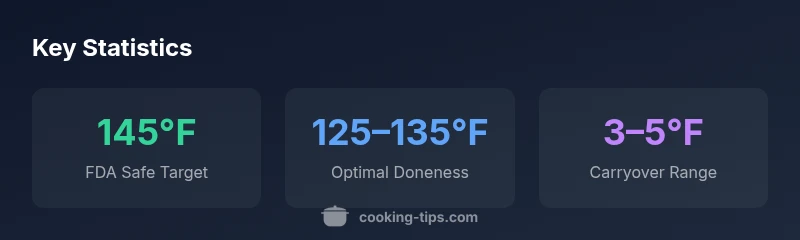
To answer what cook salmon to, aim for an internal temperature around 125°F–135°F for moist, medium-rare to medium flesh, or 145°F if you prefer traditional safety guidelines. Choose your method (pan-sear, bake, grill, or poach) and pull the fish a touch early to account for carryover cooking. This balance of texture and safety is the core approach.
Understanding what to cook salmon to and why it matters
If you’re asking what cook salmon to, you’re basically asking how to balance safety, texture, and flavor. Doneness is defined by internal temperature, moisture retention, and the appearance of the flesh. In practice, many home cooks aim for temperatures around 125°F to 135°F for a moist, medium-rare to medium texture, while food safety guidelines suggest cooking salmon to 145°F. The Cooking Tips team notes that the best approach is to decide your preferred texture first, then choose a method that reliably reaches that profile. According to Cooking Tips analysis, carryover cooking will lift the final temperature by a few degrees after you remove the salmon from heat, so you should pull it slightly early. This practical guide provides targets you can trust, along with method-specific notes to help you hit your desired doneness every time.
Cooking methods that influence doneness
Different cooking methods heat the fish in distinct ways, affecting texture and moisture. Pan-searing gives a crisp exterior with a juicy center; baking provides even tenderness with less risk of scorching; grilling adds smoke and char, but demands attention to thickness; poaching yields a delicate, very moist texture. Regardless of method, control temperature and timing to avoid overcooking. Remember the carryover principle: salmon continues to cook after removal from heat, so plan to pull it a few degrees before your target. The Cooking Tips team emphasizes brief rest after cooking and slicing across the grain for maximum juiciness.
Preparation and seasoning for even cooking
Begin with a dry surface: pat the salmon dry before seasoning. Salt lightly and consider a brief dry-brine 10–15 minutes ahead to enhance moisture retention. For skin-on fillets, pat the skin dry to ensure crispness. Season with a simple mix of salt, pepper, and citrus zest or herbs. Let the fish come to near room temperature for 10–20 minutes before cooking to promote even heating. A light coating of oil helps protect against sticking and aids browning, especially for high-heat methods like pan-searing or broiling. These steps align with Cooking Tips guidance on reliable results.
Temperature guidelines by method and thickness
Thickness matters: thicker fillets require longer times and may benefit from finishing in a cooler oven or a lower flame to avoid a dry exterior. A general framework: pan-sear 125–135°F target, bake 125–145°F depending on texture preference, grill around 125–135°F, and poach around 125–135°F. For a 1-inch fillet, times range from roughly 6–12 minutes depending on method. Always account for carryover and rest briefly before serving.
Practical doneness tests and visual cues
A thermometer is your most reliable tool. Insert into the thickest part without touching bone; read at the end of cooking for your target. Visual cues: opaque flesh that flakes easily with a gentle press but still glistens with moisture indicates medium-rare to medium. If you’re unsure, start at the lower end of your target range and allow a brief rest. The goal is even color and moisture, not a gray, overcooked center. This method aligns with Cooking Tips’ data-driven approach to doneness.
Common mistakes and how to fix them
Overcooking is the most common error. Remove salmon when it’s 2–5°F below the final target to account for carryover. Relying on color alone is unreliable; temperature is king. Avoid rinsing salmon before cooking, which can remove surface moisture necessary for browning. If you notice uneven thickness, consider portioning fillets to achieve uniform cooking and reduce hot spots.
Sourcing, storage, and safety for salmon
Choose fresh, sashimi-grade or previously frozen salmon from a reputable source. Thaw frozen fillets in the refrigerator or under cold running water before cooking to ensure even heating. Store any leftovers in airtight containers in the refrigerator for up to 2 days, or freeze for longer storage. Always keep raw salmon separate from ready-to-eat foods and practice good kitchen hygiene to minimize contamination risk.
Summary of practical targets and best practices
Set a target of 125–135°F for moist, tender salmon, or 145°F for safety-conscious cooking. Use carryover cooking to your advantage by removing from heat early, rest for 2–5 minutes, and slice against the grain for the best texture. Prefer pan-sear for crisp edges, bake for even texture, or poach for maximum moisture. Remember: preparation, temperature control, and technique determine success more than any single method.
Doneness guidance by cooking method (temperatures are targets; carryover applies).
| Method | Target Temperature (F) | Time per 1 Inch Thickness | Best For | Notes |
|---|---|---|---|---|
| Pan-sear (skin-on) | 125-135°F | 6-10 min | Skin-on fillets | Rest 2-3 min; carryover heat |
| Bake (roasted) | 125-145°F | 12-15 min | Even thickness fillets | Avoid over-browning; adjust for thickness |
| Grill (direct heat) | 125-135°F | 6-8 min per side | Fillets with skin | Watch flare-ups; finish gently |
| Poach (gentle simmer) | 125-135°F | 8-12 min | Delicate texture | Keep liquid at a gentle simmer |
| Broil (high heat) | 125-135°F | 6-9 min | Thin fillets near heat | Monitor closely to prevent scorching |
Quick Answers
Is it safe to cook salmon to 125°F, or should I always aim for 145°F?
The FDA recommends cooking salmon to 145°F for safety, but many cooks prefer 125–135°F for a moister, more tender texture. If you choose the lower temperature, use high-quality fish and be mindful of personal health considerations.
FDA guidelines suggest 145°F for safety, but 125–135°F gives a moister texture; choose based on safety preferences and fish quality.
Does thickness affect cooking time for salmon?
Yes. Thicker fillets take longer to reach target doneness. To avoid under- or overcooking, adjust time according to thickness and finish with a brief rest.
Thicker pieces need more time; thinner pieces cook faster, so watch temps and rest briefly.
Can I cook salmon from frozen?
Yes, you can cook from frozen, but plan for longer cooking times and prefer gentle heat to avoid uneven doneness. Thaw when possible for best texture.
You can cook from frozen, but expect longer times and easier results when thawed.
Should I salt salmon before cooking?
A light dry-brine (salting 15–20 minutes before cooking) helps retain moisture and enhances flavor without drawing out moisture.
Lightly salting before cooking helps flavor and moisture.
Is skin-on or skinless better for doneness?
Skin-on can help protect the flesh during cooking and crisps nicely when seared, but skinless exposes the fillet more directly to heat. Choose based on texture preference and method.
Skin-on gives protection and crisp edges; skinless is simpler for even cooking.
What is carryover cooking and how do I manage it?
Carryover cooking raises the internal temp by a few degrees after removal from heat. Remove salmon slightly early, then rest to finish gently.
Due to carryover cooking, pull a bit early and let it rest briefly.
“Doneness should be defined by texture first, then safety. Use a thermometer and pull target a touch early to account for carryover.”
Top Takeaways
- Know your target temp: 125-135°F for moist, 145°F for safety.
- Let salmon rest 2-3 minutes after cooking.
- Match method to texture you want (sear, bake, grill, poach).
- Pat dry and salt before cooking for better browning.
- Use a thermometer for accuracy; account for carryover cooking.