How Often Do You Cook Dinner? A Practical Guide for Home Cooks
Learn how to determine a sustainable dinner frequency, build a routine, and apply practical planning, batch prep, and budgeting tips for more homemade meals.


You can define a healthy dinner frequency by balancing time, budget, and nutrition. For most households, aiming to cook dinner 4–6 nights per week creates consistency, reduces last-minute takeout, and supports better nutrition. If you’re starting out, begin with 3–4 nights and gradually increase as you build routines.
Why dinner frequency matters
A clear sense of how often you cook dinner can reduce decision fatigue, improve nutrition, and help manage the weekly budget. For many home cooks, dinner is the hinge meal that keeps family routines intact. When you choose to cook more often, you gain control over ingredients, portions, and flavor, while ordering takeout or relying on pre-packaged meals becomes less expensive over time. According to Cooking Tips, establishing a realistic target that fits your schedule and energy levels is more important than chasing an ideal number. Start with a modest baseline—like cooking 3–4 dinners per week—and let that baseline guide your planning, shopping, and prep. If life gets busy, you can adjust upward or downward without restarting from scratch. The key is consistency, not perfection, and a flexible approach that adapts to weather, travel, and seasonality.
Factors that influence how often you cook
Several elements influence dinner frequency. Work schedules, commuting time, and energy after a full day can push toward convenience foods; family size and dietary restrictions require planning; kitchen setup and equipment affect what you can prepare efficiently. Seasonality matters; during harvest seasons, fresh ingredients may be cheaper or more appealing. Food waste concerns can motivate cooking more often with planned meals, or reduce frequency if you dislike leftovers. Remember, Cooking Tips analysis shows that households with a simple weekly plan spend less per meal and waste less food. Your cooking frequency should align with your values—whether you prioritize cost savings, nutrition, or time with loved ones. Finally, consider your own motivation and enjoyment: if you dread cooking, your baseline may be too high and need adjustments.
How to set a personal target
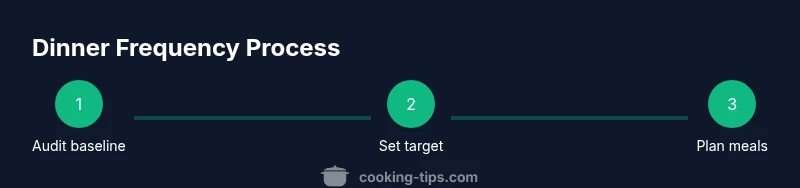
Start by auditing your current week. Track how many evenings you actually cook and identify barriers. Then pick a target that feels doable for the next 2–4 weeks. For example, if you currently cook 1–2 nights, aim for 3–4; if you're already at 4–5, try 5–6 on some weeks. Translate that target into a simple plan: select 4–6 meals you enjoy, create a shopping list, and designate 2 prep days. Keep the plan visible: a whiteboard, calendar, or notes app helps you stay on track. Review weekly, celebrate small wins, and adjust as needed.
Practical scheduling templates
Here are practical templates you can adopt. Template A (3–4 nights): Mon, Wed, Fri, Sat cook; Tue/Thu use quick meals or leftovers. Template B (4–5 nights): Mon, Tue, Thu, Fri cook; Wed/Sat leftovers or batch meals. Template C (5–6 nights): plan five diverse dinners and reserve one night for a simple no-cook option. Pair templates with a grocery list and a short prep routine to minimize decision fatigue. A key tactic is to batch-cook staples (grains, beans, sauces) on weekends and reheat with fresh vegetables for variety.
Meal planning and prep techniques
Develop a reliable planning ritual: a weekly 15–30 minute planning session, a 60-minute prep block on a weekend, and quick 20-minute weeknight meals. Use a standard shopping list and pantry inventory to reduce waste. Batch cooking can save time and energy: prepare a few proteins, roasted veggies, and starches that mix and match. Invest in reusable containers and label leftovers with dates. Keep a few go-to shortcuts, such as speed-sautéed greens, one-pan recipes, and fridge-friendly proteins. A steady routine lowers stress and increases the chances you'll cook dinner at home rather than ordering out.
Troubleshooting common obstacles
Time crunch? Swap a busy week to batch-cook on Sunday. Budget constraints? Plan cheaper proteins and seasonal produce; use leftovers creatively. Picky eaters? Build a flexible base meal and offer build-your-own toppings. Travel schedule? Use freezer-friendly meals or meals kits to maintain momentum. If motivation wanes, revisit your why and refresh your rotation with new flavors every few weeks. The goal is a sustainable habit that reduces stress and improves nutrition, not rigidity.
Tools & Materials
- Weekly meal planner (digital or printable)(A simple system keeps you consistent and accountable)
- Sharp chef's knife (8-inch)(Efficient cutting for batch prep)
- Nonstick skillet (10–12 inch)(Versatile for quick weeknight meals)
- Saucepan and medium pot(For grains, sauces, and soups)
- Mixing bowls(Prep, marinate, and combine ingredients)
- Food storage containers(Airtight options in varied sizes)
- Measuring cups and spoons(Accurate portioning and recipe accuracy)
- Timer or kitchen clock(Pace prep and avoid overcooking)
Steps
Estimated time: 60-90 minutes
- 1
Audit your current dinner frequency
Review how many weeknights you actually cook and document barriers. This baseline will guide your target and help you spot opportunities for batch prep or simpler meals.
Tip: Keep a one-week log in your notes app to capture patterns. - 2
Set a realistic target
Choose a weekly target that feels doable based on your baseline and commitments. Start small (3–4 nights) and adjust as you gain confidence.
Tip: Prefer sustainable momentum over perfection—consistency beats intensity. - 3
Create a rotating meal plan
List 4–6 meals you enjoy and rotate them to avoid repetition. This keeps planning simple and helps you reuse ingredients efficiently.
Tip: Group meals by common ingredients to simplify shopping. - 4
Build a simple prep routine
Block 60 minutes on a weekend for batch prep of staples (grains, proteins, sauces). Use quick weeknight meals that reheat well.
Tip: Label and date batches to prevent waste and confusion. - 5
Shop efficiently
Plan one comprehensive grocery trip with a complete list. Check pantry and fridge to minimize impulse buys.
Tip: Shop with a list organized by category to speed up checkout. - 6
Review and adjust
At the end of each week, assess what worked and what didn’t. Update targets, meals, and prep steps to fit reality.
Tip: Celebrate small wins to stay motivated and consistent.
Quick Answers
How often should I cook dinner if I work full-time?
Many people aim for 3–5 dinners per week, balancing energy and time. Use batch prep and simple meals to stay on track, and adjust for overtime when needed.
Plan for three to five dinners per week and use batch prep to save time.
Is it okay to cook every other night?
Yes. Alternating between home-cooked meals and leftovers or quick meals can be effective, especially on busier weeks. It still supports nutrition while reducing fatigue.
Cooking every other night can work well with leftovers and quick meals.
What are cost-effective ways to cook dinner more often?
Plan meals around affordable proteins and seasonal produce, reuse ingredients across multiple meals, and batch-cook to lower per-meal costs. A simple plan helps keep budgets predictable.
Shop seasonally, batch-cook, and reuse ingredients to save money.
How can I involve kids in dinner planning?
Give kids small tasks like washing veggies, setting the table, or choosing a meal from a short list. This builds engagement and reduces mealtime battles over food.
Let kids help pick meals and do simple prep tasks.
What if I can't find time to cook during weekdays?
Lean on batch-prepped ingredients, quick stove-top dinners, or freezer-friendly meals. Even short, intentional cooking beats frequent takeout.
Batch prep helps when weekdays are tight.
Should I batch cook on weekends?
Weekend batch cooking can create a stock of ready-to-reheat meals. It reduces weekday friction and helps you meet targets without daily effort.
Yes, weekend batch cooking can be a game changer.
How do I keep meals affordable while cooking more often?
Plan around pantry staples, buy in bulk when feasible, and use versatile ingredients. A simple rotation with budget-friendly recipes keeps costs predictable.
Use staples and bulk buys to stay affordable.
What if I get bored with the same dinners week after week?
Refresh your rotation every few weeks by swapping one or two meals for new, affordable options. Add a spice or sauce to transform familiar dishes.
Rotate in fresh meals to keep things interesting.
Watch Video
Top Takeaways
- Define your dinner frequency target and track progress.
- Batch prep and rotating menus save time and money.
- Involve household members to boost adherence.
- Adjust weekly targets based on life changes.