What to Cook Dinner: A Practical Weeknight Guide
Learn a practical approach for deciding what to cook dinner. This guide outlines a simple 3-part framework, quick protein ideas, starch options, veggie pairings, and time-saving tips for busy weeknights.


With "what cook dinner" in mind, you can plan a balanced, tasty meal in under an hour by pairing a main protein with a starch and a vegetable. Start with pantry-friendly ingredients, pick one quick method (sauté, roast, or simmer), and time-stack so you finish together. A simple structure keeps weeknights stress-free.
A practical framework: The three-part dinner formula
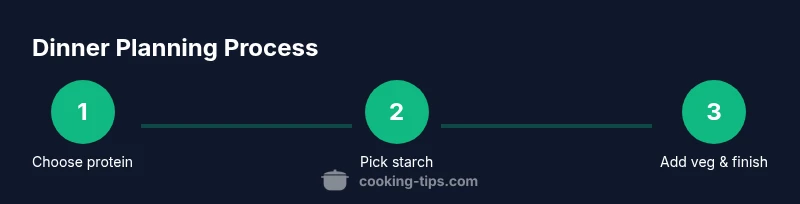
According to Cooking Tips, a reliable dinner plan starts with three components: a main protein, a starch, and a bright vegetable. This simple framework reduces decision fatigue and helps you cook dinner more predictably on busy nights. The idea is to choose ingredients that cook within a similar window, so you can finish the entire plate together. Start by scanning your fridge for a protein you enjoy, pick one starch that fits your time, and select a vegetable that complements both. If you only have 20 minutes, simplify by choosing a protein that browns quickly (shrimp, chicken tenders, or firm tofu) and pair it with a fast-cooking starch like microwaved rice or quick-cook potatoes, plus a simple sautéed green or leafy vegetable. Flavor-wise, aim for a unifying note, such as lemon-garlic, soy-ginger, or a tomato-basil glaze, to tie the dish together. Mise en place matters: gather ingredients, measure spices, and preheat your pan so you can start cooking immediately. Finally, plan for leftovers: a napkin-worthy post-dinner transformation can become tomorrow’s lunch or a make-ahead component for another meal. What you cook tonight can be a repeatable framework for many dinners.
How to choose a main protein quickly
When you ask what cook dinner, the protein choice often dictates the rest of the meal. Start with accessible options that cook in similar windows and offer flexibility for leftovers. Chicken thighs and salmon fillets are dependable because they brown nicely and finish quickly with a simple pan sauce or a light roast. If you want plant-based options, tofu or tempeh sear beautifully in a hot pan and absorb flavors from a quick glaze. Eggs are another fast protein that can anchor a complete meal when paired with a starch and greens. The key is to pick proteins that you enjoy and that align with your schedule for the evening. If time is tight, pre-marinate or dry-brine the protein earlier in the day so you can get straight to cooking. Using a single, reliable method—roasting, sautéing, or simmering—keeps the kitchen calm and ensures that your main component comes out tender and flavorful. This approach makes what cook dinner feel less daunting and more joyful.
Quick starch options that pair well
Starches provide the satisfying foundation for many dinners. Rice, potatoes, pasta, and quinoa are versatile and cook with minimal fuss. For weeknights, choose one starch that can be ready in roughly the same window as your protein. White rice or quinoa can simmer while the main protein browns; baby potatoes roast alongside vegetables; and pasta can finish in a hot pan with your sauce. If you need extra speed, opt for pre-cooked or microwaveable options, then finish with a flavorful topper like a garlic oil, herb butter, or a splash of citrus. Remember, starch should support the protein and veg, not overshadow them. When planning what to cook dinner, a simple rule is: pair a protein that browns nicely with a starch that can hold a sauce and a vegetable that stays vibrant. This makes what cook dinner both practical and delicious.
Vegetables that complement any dinner
Vegetables bring color, texture, and nutrition to your plate. Think green beans, broccoli florets, spinach, peppers, and carrots—foods that roast quickly or wilt fast. Try a quick sauté, a light roast, or a steamed finish with a bright squeeze of lemon or a drizzle of olive oil. When you’re deciding what to cook dinner, aim for vegetables that share your protein’s cooking window. For example, green beans roast well at the same temperature as chicken thighs, while spinach wilts in minutes alongside salmon. Keep a mix of sturdy and delicate greens to keep the plate lively. If you’re short on time, rotate canned tomatoes or roasted peppers into the mix for instant flavor boosts without extra chopping. A well-chosen vegetable elevates the dish and keeps what cook dinner vibrant and balanced.
Building a balanced plate in 30 minutes
A balanced plate should include protein, starch, vegetables, and a small amount of healthy fat. Start by heating your pan and selecting your protein, then prepare the starch while it browns. As the protein nears doneness, heat a separate pan for vegetables or toss them on the same sheet if you’re roasting. Always taste and adjust seasoning at the end, adding a final bright finish like lemon juice, vinegar, or fresh herbs. If you’re wondering what to cook dinner on a busy night, prioritize multitasking: simmer the sauce while searing the protein and start the starch early. With a clear plan and a tight timeline, what cook dinner becomes a reliable routine rather than a scramble. The rhythm comes from prepping steps in advance and coordinating 2–3 components to finish together.
Flavor boosters and seasoning basics
Flavor is the secret weapon for weeknight success. Keep a small arsenal of reliable boosters: garlic, onions, citrus zest, fresh herbs, soy sauce, miso, and a splash of acid like vinegar or wine. Use salt and pepper judiciously, and finish with a bright component to lift the dish. A simple lemon-garlic glaze can unite a protein and vegetables, while a soy-ginger finish can tie in a starch like rice. When considering what cook dinner, think in layers: a base seasoning, a primary sauce, and a finishing flourish. Tasting as you go helps you avoid over-seasoning and keeps the dish balanced. Remember, simple does not mean bland—clean techniques and smart flavor boosters can transform a few ingredients into a satisfying meal.
Common mistakes to avoid
Avoid cooking in silos: don’t overcook one component while others sit idle. Plan for multitasking: start the starch first if it takes longer, then move to the protein and vegetables. Skipping mise en place can slow you down; prep ingredients and measure spices before you begin. Don’t rely on heavy sauces to cover poor technique; instead, aim for well-seasoned, properly cooked components. Finally, neglecting leftovers wastes food and time. If you’re unsure what to cook dinner, reuse yesterday’s components in a new sauce or wrap to create a different flavor profile tonight.
Adapting dinner plans for dietary needs
Adapting what to cook dinner for dietary needs is easier when you structure meals around flexible proteins (chicken, fish, plant-based substitutes), adaptable starches (rice, potatoes, quinoa), and colorful vegetables. If you need to avoid gluten, choose gluten-free starches and sauces and check ingredients on packaged foods. For dairy-free options, replace butter with olive oil and skip cream-based sauces. For vegetarian or vegan needs, build meals around legumes like lentils or beans, hearty vegetables, and grains.
Conclusion and next steps
Remember that what you cook dinner can be a repeatable framework rather than a one-off task. By focusing on a protein-starch-vegetable trio, choosing quick-cooking components, and using flavor boosters, you can confidently plan weeknight meals. The Cooking Tips team believes that consistency beats complexity, so adopt a simple, repeatable process you can follow.
Tools & Materials
- Chef's knife(Sharp, 8-inch recommended)
- Cutting board(Non-slip if possible)
- Skillet (12-inch sauté pan)(Heavy-bottom for even heating)
- Saucepan (1-2 qt)(For starch or sauces)
- Baking sheet(For roasting proteins and vegetables)
- Mixing bowls(For marinating and prepping)
- Measuring cups and spoons(To portion spices accurately)
- Kitchen timer(To track multiple components)
- Olive oil(Extra-virgin preferred)
- Salt and pepper(Basic seasoning)
- Garlic, onion, canned tomatoes, soy sauce(Flavor foundation)
- Proteins (chicken, fish, tofu, eggs)(Choose based on budget and preference)
- Starch options (rice, potatoes, pasta, quinoa)(Select one based on time)
Steps
Estimated time: 30-45 minutes
- 1
Assess ingredients and plan
Look over what you have and decide on a protein, starch, and vegetable that align in cook time. Check for leftovers that can be repurposed tomorrow. This step sets the dinner framework for what cook dinner tonight.
Tip: Write a quick plan on a sticky note so you can reference it while you cook. - 2
Preheat oven and prep workspace
If you’re roasting, preheat to the target temperature. Gather utensils, pans, and ingredients so nothing interrupts the flow. A ready workspace speeds up the process and reduces wasted motion.
Tip: Layout pans and a rimmed sheet to minimize trips to the drawer. - 3
Prepare the protein
Season and pat dry, then cook using your chosen method. Searing adds flavor quickly and helps lock in moisture. If time is tight, choose a protein that cooks in under 10 minutes.
Tip: Dry-brine briefly before cooking for deeper flavor. - 4
Prepare the starch
Start your starch so it finishes within the protein’s timeline. Rinse rice or boil potatoes; if using pasta, start it a few minutes before the protein finishes.
Tip: Stir occasionally and watch the timer so the starch doesn’t overcook. - 5
Cook vegetables and finish
Sauté or roast vegetables just before serving to maintain color and texture. Add a finishing touch such as lemon zest or a splash of vinegar for brightness.
Tip: Roast vegetables on a separate sheet to maximize airflow and crisp edges. - 6
Plate and season
Arrange protein, starch, and vegetables with a light drizzle of sauce or olive oil. Taste and adjust salt, pepper, and acidity to finish what you cook dinner with confidence.
Tip: A quick squeeze of lemon freshens and ties all components together.
Quick Answers
What is a quick dinner idea for busy weeknights?
A quick dinner can be built around a protein, starch, and vegetable that cook together in 30 minutes or less. Start with pantry staples and finish with a bright herb or citrus finish.
Try a simple combination of protein, starch, and greens that finishes in under 30 minutes.
How can I plan a dinner with limited ingredients?
Identify a protein you have on hand and pair it with a flexible starch and a quick-cooking vegetable. Use a simple glaze or sauce to unify flavors.
Use what you have: protein, a starch, and a veg, then finish with a quick sauce.
Can I cook dinner for a family in under 30 minutes?
Yes. Choose items that cook quickly, scale ingredients for the family, and multitask by cooking starch and protein in parallel when possible.
Yes—plan 2 components at once and finish with a fast veg.
What kitchen tools speed up weeknight dinners?
A sharp knife, a reliable skillet, a saucepan, and a timer are the core toolkit. A sheet pan for roasting can also save steps.
Use a sharp knife, skillet, and timer to stay on track.
What are good pantry staples for dinner?
Keep garlic, onions, canned tomatoes, soy sauce, olive oil, salt, pepper, and a couple of starch options on hand for flexible weeknight meals.
Stock up on basics that pair well with many proteins.
How do I avoid repeating meals?
Rotate proteins and starch choices weekly, and vary vegetables and sauces to create new flavor profiles without extra shopping.
Mix up proteins and sauces so dinners feel fresh.
Watch Video
Top Takeaways
- Plan around a protein-starch-vegetable trio
- Choose components with compatible cook times
- Mise en place accelerates weeknight cooking
- Use flavor boosters to elevate simple meals
- Leftovers become new dinner ideas