Healthy Meals to Cook for Family: A Practical How-To Guide
Practical strategies to plan, prep, and cook healthy family dinners with a simple plate model, weekly planning, pantry staples, and kid-friendly flavors for reliable weeknights.


By the end of this guide, you’ll be able to plan, prep, and cook healthy meals that the whole family will enjoy. You’ll use a simple plate model, a flexible weekly plan, and batch-cooking techniques to save time while boosting nutrition. This approach keeps dinners balanced, affordable, and kid-tested. It also provides clear steps you can implement this week.
Balanced Family Plates: Building blocks
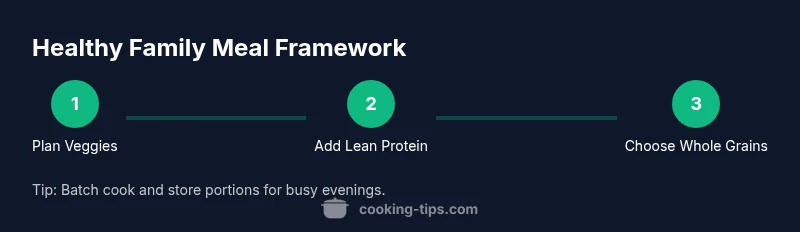
According to Cooking Tips, a healthy family dinner starts with a simple, repeatable plate model that makes nutrition easy to hit even on busy nights. Aim to fill half the plate with vegetables or fruit, a quarter with lean protein, and a quarter with whole grains or starchy vegetables. This balance supports steady energy, stable moods, and steady growth for children and adults alike. When you plan meals using this framework, you reduce guesswork and increase the likelihood that everyone leaves the table satisfied.
Make vegetables the star by offering a rainbow of produce across the week: leafy greens, cruciferous options, colorful peppers, and bright root vegetables. For protein, rotate between poultry, fish, eggs, beans, and low-fat dairy to keep meals interesting and affordable. Whole grains such as brown rice, quinoa, oats, or barley provide lasting energy and fiber. Small tweaks, like adding a squeeze of lemon juice or a handful of nuts, can elevate flavor without heavy sauces.
Finally, consider portion control and variety. A routine that blends familiar favorites with one new ingredient per meal helps picky eaters gradually expand their palates while building confidence in the kitchen for the whole family.
Weekly Menu Planning for Busy Families
Weeks run more smoothly when you plan ahead. A simple system is to select 5-6 reliable dinners and rotate one new recipe each week. Map meals to family preferences and dietary needs, then place them on a calendar with built-in leftovers for lunches. This approach keeps shopping focused and minimizes last-minute takeout. Cooking Tips analysis shows that consistency with a straightforward plan improves adherence and overall intake.
To keep variety without extra stress, alternate between protein types, swap vegetables, and use different sauces or herbs. Try a pattern like one-pot meals, sheet-pan dinners, seafood nights, and vegetarian options. A 30-minute dinner becomes feasible once you batch-trim vegetables, portion proteins, and pre-measure spices on a Sunday or Monday. End the week with a quick review: what worked, what didn’t, and what you want to try next. For official guidance, you can consult nutrition resources such as USDA MyPlate at https://www.myplate.gov or NIH nutrition information at https://www.nih.gov.
Pantry Staples and Smart Substitutions
A flexible pantry reduces prep time and keeps meals balanced. Core staples include beans and lentils, whole grains, canned tomatoes, olive oil, garlic, onions, and a spectrum of herbs and spices. Keep frozen vegetables and fruit for quick additions when fresh is scarce. For protein, rotate chicken, eggs, canned tuna or salmon, and tofu or tempeh. When an ingredient isn’t available, substitutions are plentiful: swap wheat pasta for lentil pasta for more fiber, or use yogurt to lighten sauces. For dairy-free meals, try almond or soy milks and plant-based yogurts. Stock sauces, dressings, and a few vinaigrettes so you can brighten meals without extra salt. A ready pantry supports sustainable weeknight cooking and reduces shopping trips.
Cooking Methods that Preserve Nutrients
How you cook matters as much as what you cook. Steaming and microwaving vegetables tends to preserve more vitamins than boiling, and they require less added fat. For proteins, poaching, baking, and broiling help retain moisture without excess oil. One-pot meals and sheet-pan dinners minimize heat exposure and cleanup, while keeping flavors intact. Batch-cooking soups, stews, and bean mixtures gives you ready-to-eat options for busy nights. If you can, reserve cooking water from vegetables to add minerals and flavor to soups. Finish dishes with a splash of citrus to brighten flavors without relying on salt.
Protein-Packed, Veg-Forward Meals
Launching meals with more vegetables and adequate protein keeps families full and satisfied. Favor lean proteins such as chicken breast, turkey, fish, eggs, yogurt, beans, and lentils. Mix plant-based proteins with animal proteins to balance flavors and textures. Schedule two to three meat-based dinners, two vegetarian meals, and one flexible option like eggs or tofu on a busy night. Trim visible fat from meat and use methods that require little added fat, such as grilling, baking, or sautéing with minimal oil. Beans and lentils are affordable, versatile, and pair well with vegetables and whole grains. To engage kids, present protein in familiar forms and pair it with their preferred vegetables.
Fiber and Whole-Grain Foundations
Fiber-rich grains and vegetables promote fullness and digestion. Replace refined grains with whole grains like brown rice, barley, bulgur, quinoa, or oats. Include at least one high-fiber vegetable with each meal; consider leafy greens, broccoli, peppers, and root vegetables. Legumes such as lentils and chickpeas boost fiber and protein, while nuts and seeds add healthy fats and crunch. Pair a protein with vegetables and a whole grain or starchy vegetable to create satisfying portions. If you’re new to whole grains, start with oats for breakfast or brown rice for dinner. Drink water and enjoy variety to support digestion and energy throughout the day.
Flavor without Salt: Herbs, Spices, and Sauces
Flavor should come from herbs, spices, and bright acids rather than heavy salt. Build a small flavor toolkit: garlic, onions, citrus zest, fresh herbs, chili flakes, paprika, cumin, and pepper. Finish with lemon or lime juice; a dash of vinegar can brighten dishes without extra salt. Prepare simple sauces such as yogurt-herb sauce, tomato salsa, or tahini-lemon drizzle. Marinades can be made ahead and portioned for multiple meals. Taste as you go and introduce flavors gradually to accommodate young palates. Remember that some families may have sensitivities; adjust heat and spice levels accordingly.
Quick-Start 7-Day Meal Framework (Example Week)
Begin with a repeating framework that supports proteins, vegetables, and whole grains. Day 1: veggie-forward chili with beans and quinoa. Day 2: lemon-garlic roasted chicken with roasted vegetables and brown rice. Day 3: veggie-packed tofu stir-fry over whole-wheat noodles. Day 4: salmon fillets with herbed yogurt sauce, steamed broccoli, and barley. Day 5: chickpea spinach curry over basmati. Day 6: veggie frittata with a side salad. Day 7: leftovers remix night with soup or wraps. Batch-prep tips: pre-chop vegetables, pre-cook grains, and pre-measure spices. Use the same spice blend with different ingredients to save time while keeping flavors varied.
Budget-Friendly Healthy Meals: Tips to Save
Saving money while eating well comes from smart planning and mindful shopping. Buy produce in season and freeze extras; choose store brands for staples like canned beans, oats, and rice. Use legumes and grains as anchors for meals and plan a few larger batches for weeknight dinners and lunches. Shop with a list and a budget; avoid impulse purchases that add up. Review weekly circulars to find discounts on high-protein foods and produce. Finally, repurpose leftovers by transforming them into new meals, such as turning roasted vegetables into a grain bowl or turning roasted chicken into soup or wraps.
Tools & Materials
- Chef's knife (8-inch)(Sharpen before use; keep blade protected)
- Cutting boards(One for proteins, one for produce)
- Saucepan with lid(1.5-2 quart size ideal for sauces)
- Skillet or frying pan(Nonstick or seasoned cast iron)
- Baking sheet(Optional for roasting vegetables)
- Measuring cups/spoons(Accurate portions)
- Food thermometer(Useful for chicken and seafood safety)
- Food storage containers(For batch cooking and leftovers)
Steps
Estimated time: 60-90 minutes
- 1
Define goals and constraints
Clarify your family's nutrition priorities, time, and budget. List dietary restrictions and preferences, and set a realistic weeknight cooking window. Write these down so you can reference them when planning menus.
Tip: Record exact preferences and avoid vague notes. - 2
Choose a balanced plate for each meal
Apply the half-vegetable, quarter-protein, quarter-grain model to every dinner. Plan at least one new recipe weekly to expand taste without increasing complexity. Include a fruit or dairy option if you want extra variety.
Tip: Prep multiple vegetables ahead to simplify assembly. - 3
Plan a weekly menu with built-in flexibility
Create a 7-day plan that mixes reliable favorites with one new dish. Label leftovers for easy lunches and build a substitution ladder for on-hand options. This keeps meals cohesive and reduces waste.
Tip: Mark a dedicated ‘flexible night’ for cravings or schedule changes. - 4
Build a pantry and batch-cook basics
Stock versatile staples and batch-cook staples like cooked beans, grains, and a couple of sauces. This reduces cooking time on weeknights and makes last-minute meals practical.
Tip: Portion batches into labeled containers for quick reheating. - 5
Cook in batches and use sheet-pan meals
Prepare meals in multi-serving batches and use sheet-pan dinners to minimize cleanup. Label portions and rotate flavors so each night feels fresh.
Tip: Cool foods briefly before refrigerating to preserve texture. - 6
Evaluate and adapt based on feedback
Review what worked and what didn’t with input from family. Track leftovers, prep pace, and satisfaction. Use insights to adjust the next week’s plan and pantry list.
Tip: Keep a short notes page for improvements.
Quick Answers
What qualifies as a healthy family meal?
A healthy family meal includes a balance of vegetables, lean protein, and whole grains, with appropriate portion sizes and considerations for allergies and preferences.
A healthy family meal includes vegetables, lean protein, and whole grains in balanced portions.
How can I get kids to eat more vegetables?
Offer a colorful variety, involve kids in prep, and pair vegetables with familiar favorites. Presenting new foods alongside trusted options lowers resistance.
Offer color, involve kids, and pair new veggies with familiar foods.
What are budget-friendly options for healthy meals?
Use bulk staples like beans, lentils, rice, and oats; plan leftovers; buy seasonal produce; and rotate protein sources to maximize value.
Bulk staples and seasonal produce help you stretch dollars.
How to handle picky eaters?
Introduce new foods gradually, offer small tastes alongside favorites, and avoid pressure. Repeated, low-stress exposure builds acceptance over time.
Offer small tastes and keep mealtime positive.
How long do leftovers last safely?
Store leftovers in airtight containers in the fridge for approximately 3-4 days and reheat to a safe temperature before serving.
Leftovers typically keep 3-4 days in the fridge.
Can these meals accommodate dietary restrictions?
Yes. Substitute ingredients for allergies or intolerances, such as dairy-free milks or gluten-free grains, without sacrificing balance or flavor.
Most meals can be adapted with simple substitutions.
Watch Video
Top Takeaways
- Plan balanced plates with vegetables, lean protein, and whole grains.
- Batch cook and portion meals to save time on busy nights.
- Involve family in menu decisions to improve adherence and enjoyment.
- Stock versatile pantry staples to enable quick, nourishing dinners.
- Adopt a flexible plan; The Cooking Tips team recommends this approach for long-term family health.