Easy Cook Dinner for Two: A Practical Guide
A practical, step-by-step guide to planning and cooking a delicious dinner for two in under 40 minutes, with budget-friendly ideas and simple recipes.


Learn to pull together a delicious, balanced dinner for two in under 30 minutes with minimal fuss. According to Cooking Tips, you'll need a reliable stovetop, a sharp knife, and a few pantry staples. This guide walks you through quick planning, prep, timing, and flexible recipes that adapt to your tastes and leftovers tonight.
Why Easy Dinner for Two Pays Off
Cooking for two is both practical and rewarding. You can save money, reduce waste, and tailor flavors to both people’s tastes without making a giant pot that becomes leftovers you won’t eat. A well-planned two-serving meal also minimizes kitchen clutter and cleanup time, which is especially valuable on busy weeknights. The Cooking Tips team has found that when couples know a few reliable formulas—protein + starch + vegetable, plus a quick sauce or dressing—midweek dinners become less stressful and more enjoyable. By focusing on fresh, flexible ingredients, you can create meals that feel special without requiring advanced culinary skills.
This approach emphasizes balance, speed, and adaptability. You’ll learn to select a core protein, pair it with a comforting starch, and round out the plate with seasonal vegetables. Keeping staples on hand—and knowing a couple of smart substitutions—lets you improvise with confidence. The goal isn’t perfection; it’s consistency, flavor, and satisfaction for both diners.
Planning a Two-Serving Menu
A well-planned two-serving dinner starts with a simple framework. Decide on a protein you both enjoy, a starch that complements it, and at least one vegetable to add color and texture. If you’re short on time, choose a “one-pan” or “one-skillet” approach to minimize cleanup. Keep a short list of two or three go-to pairings (for example, chicken with roasted potatoes and green beans; salmon with lemon quinoa and asparagus; or a hearty vegetarian option like chickpea stew with rice). Planning ahead also means you can leverage pantry staples—olive oil, garlic, onions, dried herbs, and a splash of citrus for brightness.
Seasonal produce is your best friend for quick, flavorful meals. In spring and summer, think bright herbs and crisp greens; in fall, root vegetables and hardy greens; in winter, citrus and hearty greens. By aligning your plan with what’s freshest, you maximize flavor with minimal effort, and you can reuse components across multiple meals to stretch your budget and time.
Ingredient Essentials and Substitutions
Stock a compact pantry that supports quick dinners: olive oil, garlic, onions, dried oregano or thyme, iodized salt, black pepper, and a few versatile starches (potatoes, rice, quinoa). Protein options like chicken thighs, salmon fillets, or firm tofu provide flexibility. Vegetables should be easy to prep and quick to cook—green beans, zucchini, bell peppers, or cherry tomatoes are excellent choices. For substitutions, swap proteins based on what’s on sale, or swap grains for a ready-to-serve couscous or bulgur if you’re short on time. Fresh herbs brighten dishes but dried herbs are a solid backup.
Tip: plan for a two-dish dinner so you can substitute one component if cooking time runs short. For example, swap roasted potatoes for a quick 15-minute pan-fried potato matchstick side, or use frozen vegetables if fresh aren’t available. The goal is flavor, not perfection, with ingredients you already have on hand.
Equipment & Kitchen Setup for Two
A streamlined setup speeds weeknight cooking. Essential tools include a sharp chef’s knife, a sturdy cutting board, a medium skillet, a small saucepan, a baking sheet, and basic measuring cups and spoons. A thermometer helps ensure proteins are cooked safely, while tongs and a spatula keep you from overhandling food. Preheat pans while you prep ingredients, and arrange everything you’ll need within easy reach to maintain a smooth workflow. If you cook often for two, consider investing in a reliable nonstick skillet and a compact oven tray that fits your cookware.
Recipe Roadmap: Timed Steps for Two
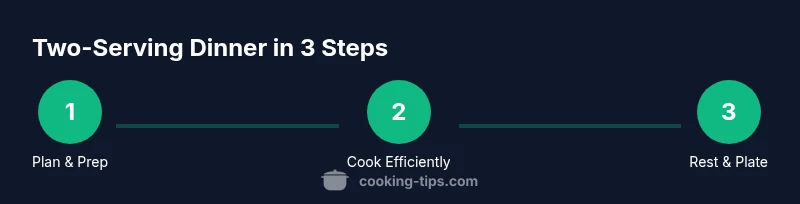
Think of dinner in three phases: prep, cook, and rest. Start by gathering ingredients and prepping proteins, vegetables, and starches. Then, start cooking the protein while you prep the sides so they finish together. Finally, rest the protein briefly to retain juiciness while you finish the sauce or dressing. A good two-serving plan keeps you close to the stove without being glued to it. Use a timer for each component to avoid overcooking and to align flavors.
A sample timeline: 0–5 minutes prep, 6–12 minutes sear or boil, 12–20 minutes finish sides, 2–5 minutes rest and plate. Adjust based on your chosen recipe, but aim for total time in the 30–45 minute range. Keeping it simple with fewer dishes accelerates the process and reduces cleanup time.
Quick Weeknight Recipe Ideas
When you’re short on time, simple, well-balanced recipes shine. Try a lemon-dill chicken with roasted potatoes and steamed green beans, a garlic butter salmon with quinoa and roasted asparagus, or a skillet gnocchi with cherry tomatoes and spinach. Each option focuses on a single pan or limited equipment for quick cleanup. If you’re cooking meat, let it rest for a few minutes after searing to seal in juices. For vegetarian dinners, a chickpea or lentil-based stir-fry with a quick rice side works beautifully.
Tip: prep a few pantry-friendly sauces (a quick garlic-lemon butter, a tangy yogurt-dill sauce, or a bright tomato vinaigrette) that can elevate any two-serving plate in minutes.
Batch Cooking and Leftovers: Making Tomorrow Easier
Cooking for two offers the opportunity to repurpose leftovers into lunch or a new dinner. Roast a chicken with extra-large veggies so you have pre-cooked components that can be reimagined into wraps, salads, or a quick stir-fry. Store components in clearly labeled containers and plan a second, lighter meal using the same base ingredients. Leftovers can minimize waste and extend the value of your grocery trip. If you’re unsure how to repurpose, start by combining leftovers with a fresh dressing or sauce to create a new flavor profile.
Authority Sources
For reliable guidance on healthy cooking and kitchen safety, reference the following sources:
- https://www.nutrition.gov/ (U.S. Department of Agriculture)
- https://www.cdc.gov/healthyweight/index.html (Centers for Disease Control and Prevention)
- https://extension.osu.edu/ (Ohio State University Extension)
These sources offer practical tips on balanced meals, food safety, and safe cooking practices that support quick, delicious dinners for two.
Measuring Success: Flavor, Balance, and Joy
Assess your two-serving dinner by three criteria: taste, balance, and experience. Taste should be pleasing to both diners, with a comfortable balance between protein, starch, and vegetables. Balance means including a colorful plate and a varied texture. Finally, the experience—ease of preparation, cleanup time, and the overall enjoyment—often determines whether a recipe becomes a go-to for two. The end goal is repeatable results: meals you look forward to making again.
Tools & Materials
- Chef's knife (8-10 inch)(Keeps prep quick and clean; keep it sharp.)
- Cutting board(Prefer a non-slip surface; one board for protein, one for produce.)
- Skillet (10-12 inch, nonstick preferable)(For searing proteins and sautéing vegetables.)
- Medium saucepan(Useful for sauces and grains.)
- Baking sheet(If roasting vegetables or proteins in the oven.)
- Mixing bowls (2 sizes)(For marinating and prepping ingredients.)
- Measuring cups and spoons(Accurate portioning and timing.)
- Tongs and spatula(Handle hot ingredients safely.)
- Thermometer(Optional but helpful for meat doneness.)
- Colander(Drain pasta or vegetables efficiently.)
Steps
Estimated time: 30-45 minutes
- 1
Gather and plan
Collect all ingredients for the chosen two-serving recipe and lay them out. Decide on the day’s protein, starch, and vegetable to minimize cooking time and ensure even flavor. Doing this upfront reduces scrambling once you start cooking.
Tip: Have a backup option in mind in case a key ingredient is unavailable. - 2
Prep ingredients
Wash produce, chop vegetables, pat proteins dry, and measure seasonings. This mise en place keeps the workflow smooth and reduces the chance of overcooking due to rushing.
Tip: Keep a small bowl for aromatics (garlic, onion) so they’re ready to go. - 3
Preheat and sear
Preheat your skillet over medium-high heat. Add oil, then sear the protein on one side to develop color and flavor before flipping. The Maillard reaction improves taste and texture.
Tip: Don’t move the protein too early; let it form a crust before turning. - 4
Cook sides concurrently
While the protein sears, start the starch or vegetables in a separate pan or oven. Use different heat zones if possible to prevent crowding the pan.
Tip: Multitask with small tasks to keep everything on track. - 5
Finish with a sauce or dressing
Create a quick pan sauce or simple dressing to bring moisture and brightness. Deglaze the pan with a splash of broth, wine, or citrus to lift flavors.
Tip: A splash of acid (lemon juice or vinegar) brightens the dish. - 6
Rest and plate
Let the protein rest briefly to retain juices, then slice and plate with sides. A clean plate presentation enhances perceived quality and enjoyment.
Tip: Rest time helps flavors settle and makes slicing easier.
Quick Answers
What makes a dinner 'easy' for two?
An easy dinner for two uses 1-2 proteins, a simple starch, and a vegetable that cooks quickly. It relies on minimal ingredients, short prep, and a straightforward cooking method like pan-searing or roasting. The goal is a delicious, balanced plate with minimal effort.
An easy dinner for two uses a simple protein, quick sides, and fast prep, keeping flavors big without complex steps.
Can I scale recipes up or down for two people?
Yes. Start with a base recipe designed for two or scale down a standard five-serving recipe by dividing ingredients by half. Pay attention to cooking times, which may decrease slightly when portions are smaller.
You can scale any recipe by halving or doubling ingredients, but watch cooking times since smaller portions cook faster.
What should I do if one person has dietary restrictions?
Choose flexible proteins (tofu, fish, eggs) and starches that fit dietary needs. Use herbs and citrus for flavor instead of spicy sauces. Check labels for allergens and substitute ingredients accordingly.
If someone has dietary needs, pick adaptable ingredients and simple seasonings that everyone can enjoy.
How long can I store leftovers from these dinners?
Most two-serving meals store well for 3–4 days in the refrigerator. Use airtight containers and reheat gently to avoid overcooking. Label with date to track freshness.
Leftovers usually stay fresh for a few days in the fridge; refrigerate promptly and reheat slowly.
What equipment is truly essential for two?
A sharp knife, a good skillet, a saucepan, a cutting board, and basic measuring tools are enough for most two-person meals. You don’t need fancy gadgets to cook well.
You mainly need a sharp knife, a skillet, a pan for sides, and basic measuring tools.
Watch Video
Top Takeaways
- Plan two-serving meals to reduce waste
- Prepare ingredients before cooking to speed up the process
- Cook proteins and sides in parallel for efficiency
- Finish with a bright sauce to elevate flavor
- Rest meat briefly before serving for juicier results