Why Do You Have to Cook Oats? A Practical Guide for Home Cooks
Discover why cooking oats matters, how to cook them for perfect texture, and versatile topping ideas. A practical, chef-ready guide from Cooking Tips for daily breakfasts and meals.


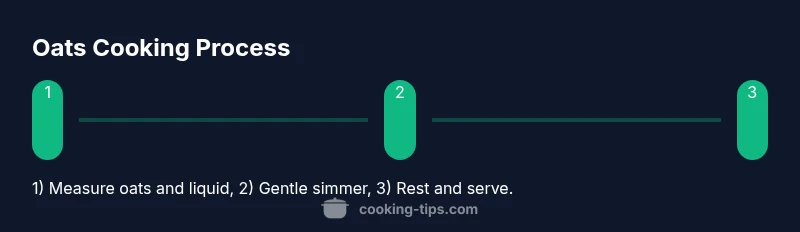
Cooked oats achieve a creamy, fluffy texture when you follow a simple method. You will learn to measure oats and liquid, simmer gently, and finish with a short rest off heat. This approach minimizes gumminess and uneven cooking, while letting you customize texture with liquid and simmer time. Start with rolled oats for best results and adjust with toppings.
Why cooking oats matters
Oats are a nutritional powerhouse, but their texture and digestibility change dramatically when cooked. The act of cooking helps gelatinize the starches, which makes the oats soft, creamy, and easier to digest. From a practical standpoint, cooked oats also let you control flavor, sweetness, and texture far more reliably than raw or instant varieties. According to Cooking Tips, cooking oats improves texture and nutrient availability, reducing chalkiness and enhancing mouthfeel. Whether you’re aiming for a comforting bowl in the morning or a ready-to-serve base for savory bowls, cooking oats gives you predictable results that support steady energy release throughout the day. Additionally, cooking allows you to manage sodium and sugar by choosing your own toppings and sweeteners rather than relying on pre-seasoned packets. By understanding the why behind this step, you’ll approach oats with intention rather than habit, and you’ll notice improvements in consistency and satisfaction across meals.
Oat varieties and their cooking needs
Oats come in several forms, each with its own cooking requirements. Rolled oats (also called old-fashioned) cook quickly and yield a creamy texture when simmered in water or milk. Steel-cut oats are coarser and take longer to cook, but they offer a chewier, heartier bite that many people love. Quick or instant oats are the most convenient but often produce a thinner, more porridge-like result unless you adjust the liquid and simmer time. The Cooking Tips team recommends choosing rolled oats for everyday breakfasts when you want a reliable balance of texture and speed. If you crave a robust, tooth-friendly bite, try steel-cut oats with a longer simmer.
Texture outcomes: creamy vs chewy
Texture is the primary reason people cook oats. Creamy oats occur when the grains absorb liquid and swell, releasing starch that blankets the spoon with silkiness. Chewy oats retain bite if the cooking time is shorter or the ratio of liquid to oats is lower. The choice between a soothing, creamy bowl and a chewy, invigorating bite often hinges on your liquid ratio and simmer duration. For a balanced bowl that cooks in about 10 minutes, rolled oats with a 1:2 oat-to-liquid ratio tend to perform best when you allow a brief rest off heat. If you prefer chew, try steel-cut oats with a longer simmer and a 1:3 ratio. Remember, rest time matters—off-heat resting helps the oats finish absorbing and stabilizing their texture.
The basic stovetop method: a reliable foundation
The stovetop method remains the most controllable way to cook oats. Start by choosing your oats (rolled or steel-cut), measuring your liquid, and heating gradually. A common starting point is 1 cup of oats to 2 cups of liquid for rolled oats, with a gentle simmer and frequent, light stirring to prevent sticking. For steel-cut oats, use 1 cup oats to 3 cups liquid and a longer simmer. As the oats cook, you’ll notice the liquid thickening and the grains becoming tender. Once the oats reach your preferred texture, remove from heat and let them rest briefly to finish absorbing any remaining liquid. The key is patience and gentle heat to avoid scorching and gumminess.
Alternative methods: microwave and beyond
Microwave cooking offers speed but can risk uneven heating if you don’t stir. Use a wide, microwave-safe bowl and heat in 1–2 minute bursts, stirring between intervals. For roasted or baked oats, you can mix oats with liquid and bake in a covered dish until set, which creates a casserole-like texture ideal for meal prep. Slow cookers and Instant Pots provide hands-free options and can yield ultra-creamy or heartier textures depending on settings and timing. The goal across methods is to maintain controlled heat and adequate liquid to prevent a dry, chalky result. With oats, method choice should align with your schedule and preferred texture.
Flavor boosters, toppings, and meal ideas
Oats readily take on flavor, which is why toppings matter. Classic add-ins include cinnamon, vanilla, salt, and a drizzle of honey or maple syrup. For extra richness, finish with a splash of milk or yogurt and a handful of nuts or seeds. Savory oats benefit from sautéed mushrooms, spinach, cheese, or a fried egg perched on top. If you’re making oats for meal prep, consider adding grated fruit like apples or pears to the cooking pot so the flavors meld as they sit. When you combine a simple base with your favorite toppings, oats become a versatile canvas for breakfast, lunch, or even dinner.
Soaking, timing, and batch prep
Soaking oats overnight can shorten cooking time and improve digestibility for some people, especially with steel-cut varieties. A light soak in cold water or milk helps begin the hydration process, reducing overall simmer time in the morning. For batch prep, cook a larger portion and portion it into containers for the week. Reheat gently with a splash of liquid to restore creaminess. This approach supports consistent texture and reduces daily cooking effort, making it easier to enjoy a wholesome bowl every day. The key is to balance soak time, batch size, and reheat method to preserve starch structure and flavor.
Safety, storage, and freshness
Cooked oats store well in the refrigerator for up to 3–5 days in an airtight container. For longer storage, freeze portions and reheat with a splash of liquid to restore texture. Always cool oats briefly before refrigerating to avoid condensation buildup, which can create a soggy texture. When reheating, stir to redistribute any thickened areas and taste for salt and sweetness. If you notice an off smell or unusual texture, discard the batch for safety. Keeping oats fresh comes from proper cooling, sealing, and handling.
Quick-start tips and authoritative guidance
To help you get started, here’s a concise plan: use rolled oats, a 1:2 ratio of oats to liquid, and gentle simmering until tender. Rest off heat for a minute or two to finish the texture. For reliable nutrition guidance, refer to authoritative sources such as the USDA’s FNIC page on oats and the FoodData Central, which discuss nutrient content and composition. The Harvard T.H. Chan School of Public Health’s Nutrition Source also highlights oats as a source of soluble fiber. These sources reinforce practical cooking advice with evidence-based nutrition data.
Authoritative guidance: sources you can trust
For further reading and verification, consult these reputable sources:
- https://fdc.nal.usda.gov/
- https://fnic.nal.usda.gov/fnic/oats
- https://hsph.harvard.edu/nutritionsource/oats/
Incorporating these perspectives helps ensure your cooking method respects both flavor and nutrition, aligning with Cooking Tips' commitment to reliable cooking guidance.
Tools & Materials
- Rolled oats (old-fashioned)(Best balance of texture and speed; 1/2 cup per serving as a baseline)
- Steel-cut oats(Heartier, chewier texture; longer cook time)
- Water(Common starting ratio: 2 cups water per 1 cup oats)
- Milk or plant-based milk(Add for creaminess and richer flavor)
- Salt(Tiny pinch enhances overall flavor)
- Saucepan with lid(Heavy-bottom or nonstick for even heating)
- Measuring cups and spoons(Precise ratios matter for texture)
- Whisk or spoon(Use for gentle stirring to prevent sticking)
- Optional toppings(Fruit, nuts, seeds, spice, or sweeteners)
Steps
Estimated time: 15-25 minutes
- 1
Measure oats and liquid
Pour the oats and the liquid into your cooking vessel. Use rolled oats with 1 cup oats to 2 cups liquid as a baseline; adjust for desired thickness. This ensures a predictable start and prevents out-of-balance texture.
Tip: Pre-measure to avoid mid-cook scrambles or overflows. - 2
Heat gently to a simmer
Place the pot over medium heat and bring the mixture to a gentle simmer, not a vigorous boil. Stir occasionally to prevent sticking, especially with milk-based liquids. Gentle heat preserves creamy texture and prevents scorching.
Tip: Use a wide, shallow pan to maximize heat distribution. - 3
Reduce heat and simmer
Lower the heat to a simmer and cook until oats are tender and the mixture thickens. Rolled oats typically need 5–10 minutes; steel-cut oats take longer. Stir every couple of minutes to maintain even cooking and prevent lumps.
Tip: If the oats thicken too quickly, add a splash of extra liquid. - 4
Rest off heat
Remove the pot from heat and allow the oats to rest for 1–2 minutes. This rest period lets residual heat finish the cooking and helps the texture settle. Taste and adjust seasoning if needed.
Tip: A brief rest improves creaminess and sauce-like consistency. - 5
Season and flavor
Stir in salt or spices, then add your preferred sweeteners or toppings. This step personalizes the dish and ensures even distribution of flavors. You can also fold in yogurt or a splash of milk for extra richness.
Tip: Toast spices briefly in the pot before adding liquids for deeper aroma. - 6
Serve or store
Serve hot with chosen toppings or portion for meal prep. If storing, cool quickly and refrigerate in airtight containers for up to 3–5 days or freeze portions for longer life. Reheat with a splash of liquid to restore creaminess.
Tip: Label containers with date to track freshness.
Quick Answers
Do I need to rinse oats before cooking?
Rinsing oats is optional; most commercially prepared oats are cleaned during processing. Rinsing is unnecessary for texture and can remove some surface starch that helps thickening. If you notice dust or debris, a quick rinse is fine, then drain well.
Rinsing oats is optional; you can skip it for texture, or rinse briefly if you see dust.
What ratio should I use for rolled oats?
A reliable starting point is 1 cup oats to 2 cups liquid. Adjust slightly based on your preferred thickness. If you want a thinner bowl, add a bit more liquid during cooking.
Try 1 to 2 for rolled oats, then tweak to taste.
Can I cook oats in the microwave?
Yes. Use a large microwave-safe bowl, combine oats and liquid, heat in short intervals (1–2 minutes), and stir between intervals. This helps prevent overflow and ensures even cooking. Add toppings after heating.
Microwave oats in short bursts and stir often.
Are steel-cut oats healthier than rolled oats?
Both provide fiber and nutrients; steel-cut oats are less processed and typically take longer to cook, which can aid fullness. Rolled oats cook faster and create a creamier texture. The choice depends on texture preference and time constraints.
Steel-cut oats are heartier; rolled oats are quicker and creamier.
How long can cooked oats be stored?
Cooked oats refrigerate well for 3–5 days in an airtight container. For longer life, freeze portions and reheat with a splash of liquid to restore texture. Always smell and inspect before consuming.
Store in the fridge for up to 5 days, or freeze for later.
Watch Video
Top Takeaways
- Cook oats for creamy texture and digestibility.
- Choose rolled oats for everyday meals; adjust liquids for texture.
- Control heat to prevent scorching and gumminess.
- Rest off heat to finish texture and flavor.
- Experiment with toppings to personalize nutrition and taste.