Do You Cover Oats While Cooking? A Practical Guide
Learn when to cover oats during cooking, how different oats respond to heat, and how to choose the best method for silky, nutty texture every time.


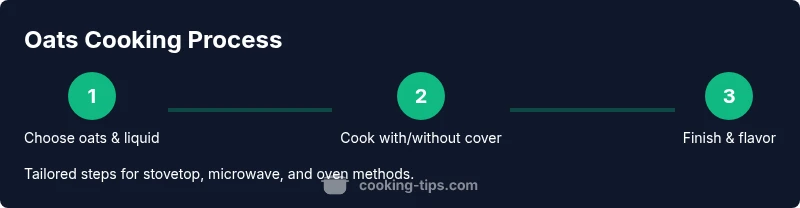
Do you cover oats while cooking? The answer depends on the method. On the stovetop, rolled or quick oats are usually simmered with gentle heat and can be left mostly uncovered, though a brief cover helps control splatter and accelerate simmering. In the microwave, a loose lid or plate is often needed to prevent overflow. Understanding when to cover improves texture, creaminess, and consistency.
Do you cover oats while cooking? The big idea
According to Cooking Tips, the short answer is: it depends on how you cook and which oat type you’re using. The choice to cover or leave oats uncovered affects heat retention, simmer rate, splatter, and texture. For home cooks aiming for a balanced, creamy bite, knowing when to trap steam and when to let excess moisture escape can transform an ordinary bowl of oats into a satisfying meal. This guide explores the why, when, and how of covering oats across common methods, with practical tips you can apply today.
Oats varieties and how they respond to heat
Oats come in several forms, and each reacts differently to heat and liquid absorption. Rolled oats, the most common for breakfast porridge, absorb liquid steadily and benefit from a gentle simmer. Steel-cut oats are chewier and require more time and liquid, often needing a longer cook with a partial cover to regulate simmering without turning mushy. Quick oats cook quickly and can become slick or sticky if overcooked. Instant oats are the most delicate and can over-release starch if overcooked. The texture you want—creamy, chewy, or somewhere in between—depends on the oat variety and how you manage moisture and heat.
Why covering matters: heat retention, steam, and texture
Covering oats traps heat and steam, which can speed cooking and reduce liquid loss. A covered pot maintains a steadier simmer, helping oats soften evenly. However, fully covering for all oats can trap too much moisture, producing a softer, sometimes mushier result. A partial cover or leaving the lid ajar can balance moisture loss with steam generation, yielding a creamier texture without overcooking. In microwaves, a lid or plate minimizes splatter and helps distribute heat more evenly, especially with larger volumes.
Stove-top method: when to cover and when to skip
Stovetop oats benefit from a careful balance. Start with a gentle boil or simmer, then add oats and reduce to a lively simmer. For rolled oats, simmer uncovered for the majority of the time, stirring occasionally to prevent sticking. If the mixture seems to foam or splatter, partially cover to contain it. For steel-cut oats, a light cover during the middle portion of cooking can help maintain a steady boil without drying out the grains. If you prefer a thicker porridge, cook a bit longer with the lid off; for a looser result, use a lid for the majority of the time. Always remove from heat and rest for a minute to finish thickening.
Microwave method: safety and texture tips
Microwaving oats is fast but prone to overflowing if unmanaged. Use a deep, microwave-safe bowl and add liquid first, then oats. A loose cover—such as a microwave-safe plate tilted at the edge—or a vented lid helps prevent splatter while allowing steam to escape. If you’re cooking larger batches, pause to stir and check every 1–2 minutes. Let the oats rest a minute after microwaving to let the starches settle for a creamier texture. Plant-based milks and dairy milk behave similarly, though milk can foam more, so monitor closely.
Pressure cooker, slow cooker, and baked oats: new ways to cook with or without covering
In an Instant Pot or pressure cooker, you don’t cover the oats the way you would on a stovetop; you seal the pot with the proper lid and cook under pressure. This yields a consistently tender texture in less time. Slow cookers let you cook oats over several hours with ample liquid, producing a super creamy result without constant attention. Baked oats—often a breakfast bake—use a casseroles-style approach where oats are combined with liquid and baked uncovered until set; covering isn’t typically needed for the bake, but you can cover the dish if you want to temper browning on top.
Flavor, liquid choices, and timing for perfect oats
Flavor boosters like salt, vanilla, cinnamon, or a touch of maple syrup can lift oats regardless of method. The liquid choice influences texture: milk yields creaminess, water keeps flavor lighter, and plant milks offer nutty notes. The general rule is to start with a 1:2 oats-to-liquid ratio for creamy porridge, adjusting to your preferred thickness. If you want looser oats, add a splash of liquid at the end. If you want them thicker, cook a bit longer or reduce liquid slightly. Resting off heat helps hydration complete and reduces a chalky mouthfeel.
Tools & Materials
- Oats (rolled, steel-cut, or instant)(Choose based on texture you want (creamy vs chewy))
- Liquid (water, milk, or plant-based milk)(Amount depends on oats type and method)
- Saucepan or pot with lid(Prefer a heavy-bottom pot to prevent scorching)
- Microwave-safe bowl and plate or vented lid(Needed for microwave method)
- Measuring cups and spoons(For accurate liquid and oat measurements)
- Wooden spoon or silicone spatula(Gentle stirring to prevent sticking)
- Salt (pinch)(Enhances flavor; optional)
- Optional toppings (fruits, nuts, honey, cinnamon)(Add after cooking for variety)
Steps
Estimated time: 15-25 minutes
- 1
Choose your oats and liquid
Select oat type and liquid based on desired texture. Rolled oats with milk yield creamy porridge; steel-cut oats with water give heartier bites. Measure with care.
Tip: Always start with cold liquids when cooking steel-cut oats to prevent scorching. - 2
Prepare cookware and heat
Place your pot on medium heat and add liquid. Bring to a gentle simmer before adding oats to avoid sudden boiling that can splatter.
Tip: Use a heavy-bottomed pot to distribute heat evenly. - 3
Add oats and set cover
Stir in oats once liquid simmers. Decide cover level: uncovered for chewier texture, partially covered to reduce splatter, or fully covered for faster simmering.
Tip: If using steel-cut oats, partially cover to maintain a steady simmer. - 4
Simmer and stir
Reduce heat to maintain a gentle simmer. Stir occasionally to prevent sticking and ensure even hydration. Time varies by oat type.
Tip: Avoid high heat; a steady simmer prevents lumps. - 5
Assess texture and finish
Test a spoonful for tenderness. If you prefer creamier oats, cook a few minutes longer with a small splash of liquid.
Tip: Rest the pot off heat for 1–2 minutes to finish thickening. - 6
Serve and flavor
Add salt, sweeteners, or spices as desired. Top with fruits, nuts, or a drizzle of maple syrup.
Tip: Keeping toppings separate preserves texture and prevents sogginess.
Quick Answers
Do oats need to be rinsed before cooking?
Most oats do not require rinsing. Rinsing is usually unnecessary for rolled, steel-cut, or instant oats and can wash away some of the toasty oat flavor. If you’re using oats with added flavors or a grocery store-practice you’re following, refer to package directions.
Oats usually don’t need rinsing. Check the package for any added flavors, but in most cases just measure and cook.
Is soaking oats before cooking helpful?
Soaking can reduce cook time slightly and may improve digestibility for some people, but it’s not required. If you soak, reduce cook time accordingly and ensure liquid is warm to kickstart absorption.
Soaking is optional and not required for most oats. If you soak, adjust cook time and liquid as needed.
How can I prevent mushy oats?
Use the correct oats-to-liquid ratio for your chosen oat type and avoid overcooking. Stir occasionally, and if possible, finish with a short rest off heat to allow moisture to distribute.
To avoid mush, don’t overcook and use the right liquid ratio.
Can I cook oats without dairy?
Yes. Oats cook well with water or plant-based milks. For creaminess, choose a richer plant milk like almond or oat milk, and consider adding a splash of unsweetened milk at the end for extra body.
Yes, you can cook oats with water or plant milks—no dairy required.
Are oats gluten-free?
Pure oats are gluten-free, but cross-contact with gluten-containing grains can occur during processing. Look for certified gluten-free oats if you have a gluten sensitivity or celiac disease.
Oats are naturally gluten-free, but check for certified gluten-free labeling if needed.
Should I add salt when cooking oats?
A small pinch of salt can enhance the oat flavor and balance sweetness. Skip salt if you’re avoiding sodium or if you’re making sweet-flavored oats for kids.
A pinch of salt helps flavor; skip if you’re avoiding salt.
Watch Video
Top Takeaways
- Experiment with oat type and liquid to achieve your preferred texture
- Covering should be strategic: partial cover or uncover for texture control
- Microwave method needs careful monitoring to prevent overflow
- Resting briefly after cooking improves creaminess and mouthfeel
- Flavor layers matter: add toppings after cooking for best texture