What to Cook Shrimp: A Practical Guide for Home Cooks
Learn how to cook shrimp perfectly with practical steps, timing tips, and safe handling. From thawing to seasoning, this guide helps home cooks get restaurant-quality results.


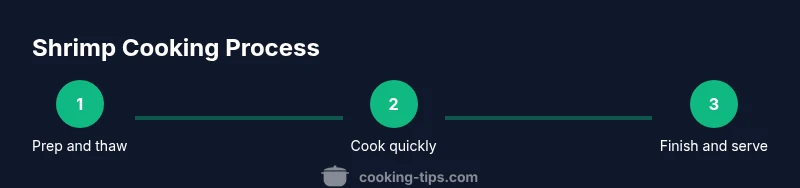
Cook shrimp quickly and reliably by choosing fresh or properly thawed shrimp, patting dry, and using high heat for 2-4 minutes per side, depending on size. If you're wondering what cook shrimp, this guide covers thawing, prep, cooking methods, timing cues, and safety to help you nail tender, pink shrimp every time, whether you sauté, boil, grill, or steam.
Understanding Shrimp: Sizes, Freshness, and Safety
Shrimp come in several forms and sizes, and understanding these basics helps you pick the right kind for your dish. Most markets label shrimp by count per pound, such as 16/20 or 21/25, and you’ll often see both raw and peeled, deveined options. Smaller shrimp cook faster and are excellent for sautés, while larger shrimp stay juicy longer but require a touch more heat. Fresh shrimp should smell like the ocean, not fishy; frozen shrimp are usually flash-frozen at sea and preserve sweetness when thawed properly. If you buy frozen, thaw in cold water or overnight in the fridge, and pat dry thoroughly before cooking to promote even browning. Always remove shells and tails unless you’re intentionally serving shell-on for flavor. Food safety matters: keep shrimp refrigerated before cooking, avoid leaving them at room temperature, and cook to an opaque pink color. According to Cooking Tips, starting with high-quality shrimp sets a strong foundation for any method.
Thawing and Prep: Getting Shrimp Ready
When shrimp come frozen, plan a quick thaw before cooking to ensure even heat and better texture. The simplest method is to place frozen shrimp in a bowl of cold water for 10-20 minutes, changing the water halfway; no warm water, which can start cooking the edges. For larger packages, you may thaw overnight in the fridge. Once thawed, pat the shrimp dry thoroughly with paper towels; moisture on the surface lowers browning and can cause splatter. If you’re peeling, remove shells and tails now, or leave the shells on for extra flavor when simmering or grilling. Lightly pat dry again after peeling to ensure surface dryness. Safe handling matters: keep them refrigerated until ready to cook, and cook promptly after thawing to maintain freshness. As you’ll see in this guide from Cooking Tips, prep is the quiet foundation of a good shrimp dish.
Stocking Your Kitchen: Tools and Ingredients
A few dependable tools make shrimp magic easier. A heavy skillet or cast-iron pan gives a quick, even sear; a wide spatula or tongs helps flip shrimp without breaking them; a small bowl for patting dry and a plate for finished batches. Essential ingredients include good quality shrimp (thawed or fresh), neutral oil like light olive oil or avocado oil, and a fat for flavor such as butter. Garlic, lemon juice or zest, and fresh herbs (parsley or dill) brighten shrimp without overpowering it. Salt and pepper are the backbone; consider kosher salt for consistent salting. For safety and timing, have a thermometer and a clean surface ready for post-cook resting. Optional extras include crushed red pepper for heat, white wine for deglazing, and a splash of cream for a quick sauce. Keeping all items within reach minimizes cooking time and helps you focus on technique.
Quick-Cooking Methods: Sautéing, Pan-Searing, Boiling
Shrimp cook fastest when you apply high heat with minimal surface contact. Sautéing or pan-searing in a hot skillet with a small amount of oil or butter yields a crisp exterior and tender interior. For sautéing, heat oil until shimmering, add seasoned shrimp in a single layer, and cook 1-2 minutes per side, turning once, until opaque and pink. Pan-searing follows the same principle, but you may add butter at the end for extra flavor and a lacquered finish. Boiling shrimp is common in seafood boils and quick pastas; drop peeled, deveined shrimp into salted, gently boiling water for 2-3 minutes until they float and turn pink. Avoid overcooking, which makes shrimp tough and chewy. Each method works well; choose based on the dish you’re making and your preferred texture.
Flavoring Shrimp: Butter, Garlic, Citrus, and Herbs
Most shrimp taste best with a simple, bright flavor profile. A classic combination is butter, garlic, and a squeeze of lemon. Start with a hot pan, add oil, then garlic; after 15-20 seconds, add shrimp and sear briefly; finish with a pat of butter and a splash of lemon juice for gloss and tang. Fresh herbs like parsley add color and a clean aroma. For variation, try a chili-lemon version with a pinch of red pepper flakes, or a garlic-herb butter with a pinch of paprika. If you prefer lighter seasoning, a drizzle of olive oil, salt, and pepper highlights the shrimp’s natural sweetness. Avoid heavy sauces that mask the delicate texture. Remember: salt should be added in layers—season shrimp dry before cooking, and then season the dish as you plate.
Cooking Times and Visual Cues: When Shrimp are Done
Shrimp cooking visually is about color and texture. Properly cooked shrimp turn opaque pink and curl into a loose C or horseshoe shape. Very large shrimp may need 4 minutes per side if cooking in a sauce; smaller shrimp often finish around 2-3 minutes per side. The best cue is touch: the flesh should be firm but still juicy, not rubbery. If you’re cooking with shells on, you’ll notice color on the outside first, with the flesh becoming opaque near the shell; peel away at the end to confirm doneness. Rest the cooked shrimp briefly off the heat before serving to redistribute juices. If using a sauce, reserve a small portion of the cooking liquid and add back after taking shrimp off heat to keep moisture balanced.
Special Techniques: Grilling, Poaching, and Steaming
Each technique offers a different texture and flavor. Grilling shrimp on skewers adds smoky notes; brush lightly with oil to prevent sticking and grill 2-4 minutes per side, turning once. Poaching shrimp in a flavorful broth at a low simmer yields very tender meat; keep the liquid barely simmering and cook 2-3 minutes. Steaming keeps moisture intact and lets delicate flavors come through; place in a steamer basket over simmering water for 4-6 minutes, depending on size. If you’re short on time, quickly sauté shrimp and finish with a splash of white wine or citrus to boost aroma. For safety, avoid overcrowding pans, ensure the heat source is stable, and keep a watchful eye on color changes to prevent overcooking.
Troubleshooting: Common Problems and Fixes
Rubbery or overcooked shrimp usually result from cooking too long or at too high heat. Lower the heat and shorten the cooking time, and remove any shrimp that begin to look firm prematurely. If shrimp look gray and opaque before color develop, they may have been pre-cooked or over-handled; discard that batch. Soggy or watery shrimp often come from overcrowding the pan or adding too much liquid. Cook in small batches to preserve sear, and let moisture evaporate before adding more shrimp. If shells cling, you likely cooked with shell on too long; removing shells after cooking makes eating easier and improves texture. Finally, ensure raw shrimp are kept cold prior to cooking; warm shrimp risk uneven cooking.
Serving Shrimp Safely: Storage, Reheating, and Pairings
Serve shrimp immediately after cooking for optimal flavor and texture. If you need to hold them, keep warm gently on a low heat or in a warm oven, but avoid long time at room temperature. Refrigerate any leftovers promptly in shallow containers to cool quickly; use within 2-3 days. Reheat gently in a pan with a little butter or in a quick sauté to recover moisture, avoiding microwave for best texture. Shrimp pair well with lemon, garlic butter, a crisp white wine, or a simple herb salad. Side dishes such as rice, pasta, or crusty bread help soak up sauces and juices. When cooking for guests, present shrimp with and without tails to accommodate preferences; a light herb garnish completes the dish while keeping the flavors bright.
Tools & Materials
- Cast-iron skillet(Best for even heat and browning; 10-12 inch size recommended)
- Heavy-bottomed skillet (stainless or nonstick)(Good heat distribution; choose 12-inch if cooking in batches)
- Tongs(Flip shrimp without breaking them)
- Slotted spoon or spatula(Helpful for removing finished shrimp to plate)
- Paper towels(Pat dry and blot steam as needed)
- Sharp knife or kitchen shears(For shells or tails prep if needed)
- Small bowl for thawing water(Optional helper if thawing at room temp)
- Measuring spoons(For accurate seasoning)
- Instant-read thermometer(Optional to verify internal texture)
- Lemon and fresh herbs(For finishing and aroma)
Steps
Estimated time: 20-30 minutes total active cooking (excluding thawing)
- 1
Choose thawed shrimp
If using frozen, thaw properly; pat dry before cooking to ensure surface dryness and even browning.
Tip: Plan thawing ahead; keep shrimp cold until ready to cook. - 2
Pat dry and prep
Pat shrimp completely dry with paper towels; moisture on the surface prevents crisp sear and promotes splatter.
Tip: Dry even the tails; moisture is the enemy of browning. - 3
Preheat pan
Heat your skillet over medium-high until the fat shimmers; a hot pan is essential for a good crust.
Tip: Give the pan time to reach the right temperature before adding shrimp. - 4
Season the shrimp
Lightly season with salt and pepper or a quick dry rub; applied before cooking ensures surface flavor.
Tip: Avoid salting too early if using delicate sauces. - 5
Add fat and heat
Add a small amount of oil or butter; let it coat the pan and shimmer before adding shrimp.
Tip: Butter adds flavor but can burn; mix with oil to extend its high-heat tolerance. - 6
Cook first side
Place shrimp in a single layer and cook 1-2 minutes without moving them to develop color.
Tip: Overcrowding slows browning and increases cooking time. - 7
Flip and finish
Turn shrimp and cook 1-2 minutes more until pink and opaque; remove from heat promptly.
Tip: Shrimp finish quickly; residual heat continues cooking after removal. - 8
Rest and sauce
Let shrimp rest briefly, then add a finishing sauce or butter for gloss.
Tip: Resting helps retain juiciness and flavor. - 9
Deglaze (optional)
If using a sauce, deglaze the pan with a splash of wine or citrus to lift fond and flavor.
Tip: Add liquid slowly to avoid splatter and stickiness. - 10
Plate and serve
Serve hot with a bright garnish; consider lemon wedges or herbs for color and aroma.
Tip: Simple plating highlights the shrimp’s natural beauty.
Quick Answers
Should I thaw shrimp before cooking?
Yes, thaw if frozen; thawing promotes even cooking and avoids cold centers.
Yes, thawing helps ensure even cooking and better texture.
Is shell-on shrimp okay to cook?
Yes; shells add flavor in stock or sauce. Remove shells after cooking if you want to eat easily.
Shell-on can work; peel after cooking for easier eating.
What seasoning works best with shrimp?
Salt, pepper, garlic, and citrus are a classic, light combination that lets shrimp shine.
Salt, pepper, garlic, and citrus go well with shrimp.
How do I tell when shrimp are done?
Shrimp turn opaque pink and curl into a loose C shape; overcooking makes them tough.
Look for pink color and a loose C shape to know they’re done.
Can I freeze cooked shrimp?
Yes, but quality declines the longer it’s stored; keep for 1-2 days for best results.
You can freeze cooked shrimp, but best quality is short-term.
Can I cook shrimp with shells for more flavor?
Shells add depth when making stocks or sauces; remove shells before eating if desired.
Shells add flavor in stocks; remove shells before eating if you don’t want them.
Watch Video
Top Takeaways
- Choose thawed shrimp for even cooking
- Dry thoroughly and sear quickly
- Cook 2-4 minutes per side depending on size
- Finish with a simple, bright seasoning