Pork Roast in Crock Pot: A Step-by-Step Guide
Learn how to make a tender, flavorful pork roast in a crock pot with step-by-step instructions, tips, and variations. This practical guide covers searing, seasoning, layering aromatics, and safe doneness for reliable weeknight dinners.


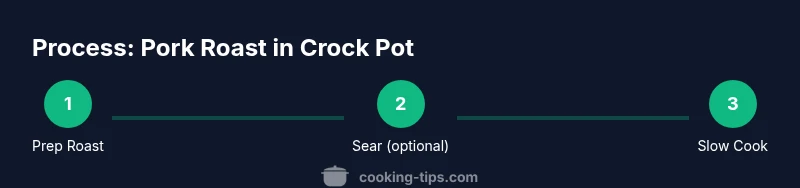
According to Cooking Tips, you can achieve a delicious pork roast in crock pot with minimal hands-on time. This guide shows how to season, sear (optional), and slow-cook until fork-tender, then rest and slice for juicy slices. By using a well-marbled cut and smart layering of aromatics, you’ll enjoy reliable flavor every time. pork roast in crock pot
Why a pork roast in crock pot is a smart weeknight choice
Cooking pork roast in a crock pot combines convenience with dependable results. The low, steady heat breaks down connective tissue in shoulder cuts, delivering juicy, tender slices with very little hands-on time. The slow-cooking environment also helps meld herbs, garlic, onions, and sauces into a cohesive, savory sauce that clings to every bite. The Cooking Tips team notes that patience pays off here: a well-chosen cut and properly layered aromatics produce moisture retention and depth of flavor that feel restaurant-worthy at home. For families, this method scales easily: you can feed a crowd and still have leftovers that reheat well in sandwiches, fried rice, or tacos. When you’re pressed for time, you can skip the extra sear and rely on the slow cook to develop a crust as it braises, especially if you finish with a brief high-heat burst at the end.
Note: Start with a simple herb-garlic rub and adjust later with a glaze or fruity twist if you like. The versatility is part of the appeal, and the crock pot makes those flavor experiments stress-free. If you’re new to slow cooking pork, this method minimizes risk of drying out meat, provided you keep moisture in the pot and avoid overfilling.
Choosing the right cut and size
For the best texture, choose a pork shoulder roast (also called pork butt) or a well-marbled pork roast. The intramuscular fat acts as natural basting during the long cook, helping keep the meat moist even as it tenderizes. Plan for roughly 1.25 to 1.75 pounds per person for generous servings with leftovers for later meals. If you’re cooking for fewer people, shift to a smaller roast and reduce aromatics accordingly. Avoid very lean cuts like loin, which can dry out more quickly in long, moist heat. When in doubt, pick a roast labeled for roasts or shoulder cuts; these typically have the fat cap that renders nicely during slow cooking.
Flavor profile matters too: shoulder roasts absorb herbs well, while a loin can be leaner and benefit from extra moisture and timing adjustments. If you prefer a leaner result, consider trimming some surface fat, but leave enough fat to baste the meat as it cooks. Portion size affects the pot’s liquid balance, so aim for about half to two-thirds full to keep steam circulating and prevent scorching at the bottom.
Flavor ideas and marinades
A crock pot pork roast welcomes a variety of flavor profiles. Classic garlic, rosemary, and thyme with a splash of chicken broth create a comforting, savory base. For a touch of sweetness, try an apple cider glaze toward the end of cooking, or a maple-maascarpone finish for a restaurant-inspired finish. Smoky paprika, cumin, and a dash of chili powder yield a western-style rub that pairs beautifully with roasted potatoes. If you’re working with a fan of citrus, a lemon-zest and white wine combination brightens the dish without overpowering the pork. Marinades can be simple: whisk olive oil, minced garlic, salt, pepper, and your chosen herbs, rub onto the roast, and let sit for 30–60 minutes to begin flavor penetration before you start slow cooking. For those using the no-sear route, heavy aromatics and a flavorful liquid become especially important to keep the meat tender and tasty.
Searing vs. no-sear: what to know
Searing before slow cooking is optional but beneficial for added crust and flavor. A quick brown in a hot pan creates fond (the browned bits) that emulsifies into your cooking liquid, enriching the sauce. If you’re pressed for time, you can skip searing and rely on the slow cook to permeate aromatics into the meat; just ensure there’s enough moisture in the pot. For very thick roasts, searing the exterior both seals surface moisture and helps develop an appealing crust that remains juicy inside. If you’re using a glaze, searing can also help set the glaze’s surface so it clings as the meat braises.
Layering moisture and vegetables
Place the aromatics and vegetables at the bottom of the crock pot to create a fragrant bed for the roast. Slices of onion, carrots, and potatoes not only add flavor but also absorb juices, turning themselves into a complementary side dish. A well-chosen liquid—broth, stock, or a splash of wine—adds moisture to the cooking environment and helps distribute heat evenly. Avoid overfilling the pot; the roast should have room for steam to circulate around it. You’ll often find best results when you add enough liquid to reach about a third of the roast’s height, letting juices collect around the meat without washing away seasoning.
Safety and doneness tips
The USDA recommends cooking pork to a safe internal temperature and letting it rest before slicing. In a crock pot, meat becomes tender well before you reach the final internal temperature, but doneness should still be verified. Aim for a safe internal temperature of 145°F (63°C) with a 3-minute rest, or follow your preferred USDA guidance for pork, adjusting for roast size. Before serving, verify that the thickest part of the roast meets the target temperature and that the juices run clear. If you want extra tenderness, you can extend the cooking time by a small amount, but monitor closely to avoid overcooking.
From Cooking Tips’ perspective, consistent moisture and temperature control are the two pillars of a reliable result. A slow cooker set to the proper heat will yield a uniformly cooked roast, while finishing with a brief high-heat step or glaze can add a pleasing crust.
Troubleshooting common issues
If the meat seems dry, add a bit more broth and give it an extra 30–60 minutes on low. If the roast is undercooked, move to a longer cook time or a higher heat setting, but always check the internal temperature afterward. Too much liquid can flood the dish and dilute flavor; if this happens, remove the roast, reduce the liquid, and simmer the sauce on the stovetop until it thickens to your liking. For extra flavor, stir in fresh herbs at the end of cooking to brighten the dish without overpowering the pork.
Tools & Materials
- Crock pot/slow cooker(Choose large enough to fit the roast with space around it)
- Sharp knife(Trim excess fat and score skin if desired)
- Meat thermometer(Monitor internal temperature accurately)
- Skillet or sauté pan(For optional searing of roast exterior)
- Mixing bowl(Combine rub or marinade)
- Wooden spoon or tongs(Stir aromatics and lift meat safely)
- Measuring cups, liquid(For broth or wine additions)
Steps
Estimated time: 8-10 hours on low or 4-6 hours on high
- 1
Gather and prep ingredients
Set out the roast, rub ingredients, and vegetables. Pat the pork dry and trim any excess fat to ensure even seasoning. If you’re pre-marinating, mix your rub and let the meat sit for 30–60 minutes at room temperature.
Tip: Patting dry helps the rub adhere and improves browning if you sear later. - 2
Season the roast
Combine salt, pepper, and your chosen aromatics (garlic, herbs, paprika) in a bowl. Rub the mixture all over the pork to form an even layer of flavor.
Tip: A generous coating intensifies taste; don’t be shy with garlic and herbs for a rich base. - 3
Optional sear for crust
Heat a skillet over medium-high and brown the roast on all sides for 2–4 minutes per side. This step creates a crust and adds depth to the sauce.
Tip: Do not crowd the pan; sear in batches if needed to maintain high heat. - 4
Layer aromatics in the pot
Place onions, carrots, and potatoes (if using) at the bottom of the crock pot. Layer the seared roast on top of the vegetables to allow juices to mingle.
Tip: Vegetables act as a flavorful bed and help prevent scorching at the bottom. - 5
Add liquid
Pour in broth, cider, or wine to create a braising environment. The liquid should come up to about one-third the roast’s height to prevent drowning the meat.
Tip: A splash of acid (apple cider or a small amount of wine) brightens the flavor. - 6
Cook on low or high
Cover and cook. For best texture, set to low for 8–10 hours or high for 4–6 hours, until the meat reaches a fork-tender state.
Tip: Avoid removing the lid during cooking to maintain even heat and moisture. - 7
Check internal temperature
Use a meat thermometer to verify the thickest part reaches 145°F (63°C) with a safe rest period. If under temp, continue cooking in 30-minute increments.
Tip: Rest the roast for 10–15 minutes before slicing to reabsorb juices. - 8
Finish and serve
Slice against the grain and plate with the roasted vegetables and the pan juices. If you want a glaze, simmer the juices briefly on the stove to reduce and thicken before serving.
Tip: Skim excess fat if desired before serving for a cleaner sauce.
Quick Answers
Can I use a pork loin instead of pork shoulder for crock pot cooking?
Pork loin is leaner and may dry out in long slow cooking. If you use loin, reduce cook time and add more moisture; consider finishing with a glaze to lock in moisture.
Pork loin can work, but it’s leaner. Shorter cook time and extra moisture help; finish with a glaze for moisture.
Should I sear the pork before slow cooking?
Searing adds a flavorful crust and helps develop fond for a richer sauce. It’s optional; skip it if you’re short on time, but expect a milder crust.
Searing is optional but enhances flavor and crust. If pressed for time, you can skip it.
Can I cook from frozen in a crock pot?
Cooking from frozen can lead to uneven doneness. It’s better to thaw the roast before slow cooking to ensure safe and even heat.
It’s best to thaw first; frozen meat cooks unevenly in a crock pot.
What should the internal temperature be for safety?
Cook pork to 145°F (63°C) and allow a brief rest before slicing for safe, juicy results.
Aim for 145 degrees with a short rest before slicing.
Can I add apples or a glaze for extra flavor?
Yes. Apples or a sweet glaze complement pork well, especially near the end of cooking. Be mindful of additional sugar that can burn if you boil the sauce too aggressively.
Yes, add apples or a glaze toward the end for extra flavor.
Watch Video
Top Takeaways
- Choose a well-marbled roast for moisture and flavor
- Searing adds crust and depth, but is optional
- Layer aromatics and vegetables for flavor and texture
- Cook on low for best tenderness; rest before slicing