Medium Rare Steak: How Long to Cook for Perfect Donness
Discover precise cooking times for medium-rare steak across thicknesses, plus thermometer guidance, resting tips, and finishing techniques from Cooking Tips.


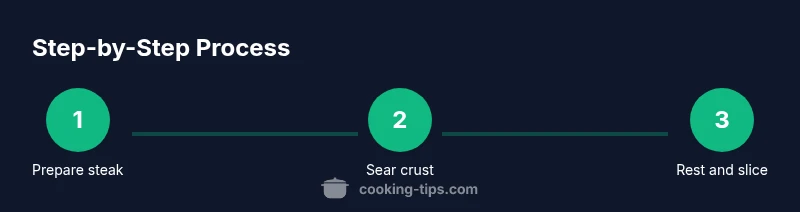
According to Cooking Tips, achieving a perfect medium-rare steak hinges on thickness, heat, and precise doneness. For a 1-inch cut, sear 2-3 minutes per side; for 1.5 inches, 3-4 minutes per side; finish with a brief rest and target 130-135°F internal temperature, allowing carryover heat to finish the job nicely.
Why Time Matters for Medium-Rare Steak
Cooking a steak to medium rare is as much about timing as it is about technique. The goal is a warm, pink center with a browned crust, not gray, overcooked flesh. Getting there requires understanding how thickness, pan temperature, and resting contribute to the final internal temperature. According to Cooking Tips, precise timing reduces the risk of overcooking while maximizing juiciness and flavor. Do not rush or you’ll trade a juicy bite for a dry one.
The center of a steak continues to cook after it leaves the heat source. This carryover cooking can add 5-10°F (3-6°C) of heat, so many home cooks pull the steak from the pan just shy of the target. A well-planned timing strategy also accounts for pan preheating, oil selection, and how fast heat travels through the meat. For thinner cuts, timing is shorter; for thicker cuts, you’ll need to extend the sear and possibly finish in a hotter oven. With practice, you’ll learn to read the sizzle and color as reliable cues. The Cooking Tips team emphasizes that consistency matters more than chasing a single “perfect” minute. Focus on repeatable steps, not guesswork.
Core Factors that Influence Cook Time
Thickness is the dominant factor; a 1-inch steak cooks faster than a 1.5-inch or 2-inch cut. The pan matters: cast iron and heavy stainless retain heat and build a better crust, while nonstick surfaces may degrade browning. Heat level matters: too low yields a pale crust and uneven doneness; too high risks scorching the exterior before the center firms. The steak’s temperature before cooking (cold from fridge vs room temperature) can also shift times by several minutes, especially if the meat is still chilled when it hits the pan. Resting the meat briefly after searing helps distribute juices and levels the final texture. Cooking tips from Cooking Tips point out that patting the steak dry before searing is essential; moisture on the surface frustrates browning and creates steam instead of crust. Finally, salt at least 15-30 minutes before cooking helps flavor penetration and moisture retention.
Time Ranges by Thickness and Method
Here’s a practical cheat sheet by thickness and method, assuming pan-sear on high heat and optional oven finish. 1-inch steak: sear 2-3 minutes per side for a crusty exterior; 1.25-1.5-inch: 3-4 minutes per side; 1.5-inch: 3-5 minutes per side; 2-inch: 4-6 minutes per side, with finishing in the oven at 400°F for 2-4 minutes if desired. After searing, check internal temperature with thermometer and pull when 130-135°F for medium rare, then rest. Oven finishing is useful for very thick cuts or to reduce flip overhead; preheat to 400°F and sear first 2-3 minutes per side, then bake 2-5 minutes until the target temp. For truly thick cuts, sous vide is another approach, allowing precise doneness, but that adds steps; measure against your preferred method. Carryover can raise temps, so plan accordingly.
The Cooking Tips analysis shows that the same steak can finish medium rare at slightly different times depending on pan material and stove strength, so use these ranges as starting points and adjust based on your own equipment.
Doneness Testing: Thermometer vs Touch Test
A reliable thermometer is the simplest way to hit medium-rare consistently: aim for 130-135°F (54-57°C) at the thickest part, then remove the steak to rest and let carryover do the rest. If you don’t have a thermometer handy, the finger test offers a quick guide, but it’s less precise. Practice with a few trials to map how each feel relates to internal temps. The GFG method, when done carefully, can supplement the thermometer, but do not rely on touch alone for the first few steaks. Remember, resting after cooking is essential to achieve even texture and juiciness.
Resting and Carryover Heat
Resting is not optional; it’s crucial. A 1- to 1.5-inch steak typically rests for 5-10 minutes, a thicker cut may benefit from 10-15 minutes. Resting allows juices to redistribute and the internal temperature to even out, reducing the risk of a hot, greasy slice. During rest, the residual heat continues to cook, so pulling the steak a few degrees early is a common strategy for precise doneness.For best results, loosely cover the steak with foil to retain warmth without trapping steam, which can soften the crust. The Cooking Tips team notes that the resting period is as important as the sear and can influence perceived tenderness and juiciness.
The carryover effect is why many professional cooks pull a steak just shy of the target temperature and let rest finish the process.
Prep, Pan Choice and Heat Control
A good sear starts with dry surface and a hot pan. Cast-iron skillets are ideal for even browning due to heat retention, while stainless can work if preheated thoroughly. Preheat the pan until a drop of water sizzles and evaporates on contact. Use a high-smoke-point oil (like canola or refined avocado oil) to avoid flavor transfer. Once the steak hits the pan, avoid moving it for 60-90 seconds to form a crust, then flip and sear the other side. Consistent flame and heat distribution are essential for predictable results.
Finishing Touches and Slicing
Butter basting during the last minute adds aroma and richness. Tilt the pan and spoon melted butter over the steak, along with crushed garlic or fresh thyme if desired. Slice against the grain in thick steaks to maximize tenderness, and serve immediately for best texture. If your pan has created a rich fond, deglaze with a splash of wine or stock and spoon over the slices for extra flavor.
Common Mistakes to Avoid
Avoid cooking from cold in the fridge; let the steak approach room temperature for even heating. Do not overflip; excessive movement interrupts crust formation and can dry the surface. Overcrowding the pan lowers surface temperature and steam-braises the meat, ruining the crust. Finally, don’t rely on a single minute; use a thermometer and observe the color and feel of the meat for consistent results. The goal is a hot, flavorful crust with a rosy center, not a gray outside and raw inside.
Authority Sources
For further reading and safety guidance, consult authoritative sources:
- https://www.fsis.usda.gov/food-safety/safe-food-handling-and-food-safety-guides/safe-food-handling-basics/cooking-meat
- https://www.britannica.com/topic/beef
- https://www.seriouseats.com/how-to-cook-steak
These resources provide fundamentals on safe cooking temperatures, proper handling, and general steak preparation guidance referenced by Cooking Tips.
Real-World Scenarios: Common Kitchen Setups
Home kitchens vary widely in equipment and heat output. If you’re cooking on a induction stove with a thin skillet, you may need to lower the heat slightly sooner to prevent scorching. On a gas stove with a heavy cast-iron pan, you’ll often achieve a deeper crust with a longer preheat. The key is consistent heat and monitoring internal temperature rather than chasing a fixed minute count. Track your own results and adjust accordingly.
Troubleshooting Chart: Quick Fixes
- If the crust is pale, raise the heat slightly or extend the searing time on the first side by 30 seconds.
- If the steak browns too quickly on the edges, tilt the pan and direct heat toward the center to promote even browning.
- If carryover cooking seems excessive, remove the steak slightly earlier and plan to rest longer to finish using carryover heat.
- If moisture pools on the surface of the steak, pat dry again and re-sear with a smaller heat delta to re-establish the crust.
Quick Reference by Thickness
- 1-inch: 2-3 min per side; target 130-135°F; rest 5-7 min.
- 1.5-inch: 3-4 min per side; target 130-135°F; rest 7-10 min.
- 2-inch: 4-6 min per side; target 130-135°F; rest 10-12 min.
Use these as starting baselines and adjust based on your pan, stove, and steak's thickness. The Cooking Tips guidance emphasizes practice and consistency for repeatable results.
Tools & Materials
- Cast-iron skillet or heavy stainless pan(Preferred for even browning and heat retention)
- Tongs (sturdy)(For flipping without piercing the meat)
- Instant-read thermometer(Target 130-135°F for medium-rare)
- Neutral oil with high smoke point(Canola or refined avocado oil)
- Butter(Optional for basting during the last minute)
- Kosher salt or sea salt(Season generously before cooking)
- Freshly ground black pepper(Adds aroma and flavor)
- Resting rack or plate(Let meat rest 5-15 minutes)
Steps
Estimated time: 20-40 minutes
- 1
Prepare the steak to room temperature
Take the steak out 30-60 minutes before cooking to promote even cooking. Pat dry with paper towels, then season generously with salt and pepper on all sides. This step ensures surface dryness for a good sear and flavor penetration.
Tip: Dry surface = better crust; season early for deeper flavor. - 2
Preheat the pan and oil
Place a heavy skillet over high heat and let it get hot enough that a drop of water dances and sizzles. Add a thin, even layer of oil to prevent sticking and promote browning.
Tip: Avoid overcrowding the pan; a single steak per pan yields better crust. - 3
Sear the first side
Gently lay the steak in the center of the hot pan and resist the urge to move it for 60-90 seconds. Once a deep brown crust forms, flip to the other side using tongs.
Tip: Resist flipping too early; crust formation seals juices. - 4
Sear the second side and finish
Sear the other side for 2-4 minutes depending on thickness. If using butter, add it now and baste the top of the steak as it finishes browning.
Tip: Butter baste infuses flavor but watch for butter burning on very high heat. - 5
Check doneness with thermometer
Insert the thermometer into the thickest part without touching bone if applicable. Remove the steak when it reads 130-135°F for medium rare and let carryover heat finish.
Tip: Reserve a couple of degrees for carryover heat. - 6
Rest the steak
Set the steak on a rack or plate and rest for 5-15 minutes to allow juices to redistribute. A longer rest for thicker cuts helps maintain moisture.
Tip: Cover loosely with foil to keep warm without steaming the crust.
Quick Answers
How long should I cook a 1-inch steak for medium rare?
For a 1-inch steak, sear about 2-3 minutes per side on high heat, then use a thermometer to pull at 130-135°F and rest 5-7 minutes. Times vary with pan and stove, so adjust as needed.
Sear a 1-inch steak for 2-3 minutes per side, then rest. Check doneness with a thermometer to reach 130-135°F.
Can I cook a medium-rare steak in the oven only?
Oven-only methods exist but often require searing first on the stovetop to develop a crust, then finishing in a hot oven (around 400°F) until the target temperature is reached. This approach is common for thicker cuts.
You can, but usually you sear first, then finish in a hot oven until the right temperature.
Is resting really necessary after cooking steak?
Yes. Resting lets juices redistribute and prevents a pool of juices on the cutting board. It also lets carryover heat finish the job without overcooking the center.
Resting is essential; it improves juiciness and texture.
What internal temperature defines medium-rare steak?
Medium-rare is generally defined as an internal temperature of 130-135°F (54-57°C) in the thickest part. Carryover heat will nudge the final temp upward during resting.
Medium-rare is about 130-135°F, with carryover heat finishing the rest.
Should I use butter while cooking steak?
Butter is often added in the last minute to baste the steak for extra aroma and flavor. Watch it closely to avoid burning on very high heat.
Butter can enhance flavor if added near the end and basted.
Watch Video
Top Takeaways
- Measure thickness to tailor cook time.
- Aim for 130-135°F for medium rare doneness.
- Sear first, then rest to maximize crust and juiciness.
- Account for carryover heat during resting.
- Use a hot, well-seasoned pan and avoid overcrowding.