London Broil Slow Cook: A Complete Guide to Tender Braise
Learn how to slow cook London broil into fork-tender beef with braising, marinating, and finishing techniques. Includes step-by-step directions, equipment, tips, and serving ideas from Cooking Tips.


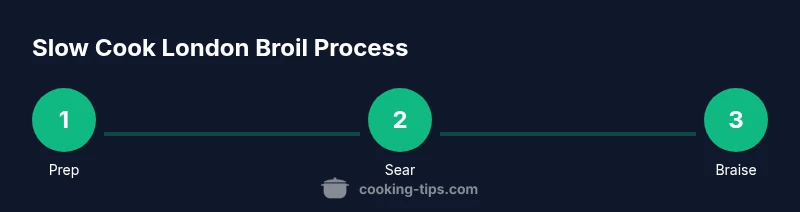
With London broil, slow cooking means braising the steak until it's fork-tender. Choose a tougher cut (top round or flank), marinate or season well, sear to lock in flavor, then braise in liquid on low heat. Use a slow cooker for 6–8 hours or a covered oven braise at 300–325°F for 3–4 hours.
Why London Broil Slow Cook Works
Slow cooking a London broil is a smart method when you’re working with a tougher beef cut like top round or flank. These cuts have more connective tissue, which benefits from low, long cooking to break down collagen and release rich flavors. According to Cooking Tips, braising a London broil in a flavorful liquid turns a lean, chewy cut into something that practically melts in your mouth. The key is starting with good flavor in the cooking liquid and building depth with browning, aromatics, and careful timing. This approach also yields a robust gravy, especially when you rest the meat and shave it against the grain. For home cooks, slow braising frees you from exact timing pressures and delivers consistent tenderness, even on a busy weekday.
In this guide, you’ll learn how to choose the right cut, marinate or season for flavor, sear properly, braise in a slow cooker or Dutch oven, and finish with a glossy pan sauce. You’ll also see common mistakes and how to avoid them, plus smart make-ahead tips to pull off a weeknight dinner that tastes special.
Tools and Materials You’ll Need
Preparing London broil slow cook requires a few dependable tools and staple ingredients. Having a plan for equipment keeps the process smooth and predictable, especially when you’re dealing with long cook times. A heavy-bottom Dutch oven or a reliable slow cooker is ideal for braising; if you own both, you can alternate depending on your kitchen setup. A good skillet for searing, a sharp knife, a cutting board, and appendices like tongs and a thermometer help you control heat and doneness. For flavor, you’ll rely on a balanced braising liquid: beef stock or broth, a splash of soy or Worcestershire, aromatics (garlic, onion, carrots), and a splash of tomato paste or balsamic for depth. Fresh herbs finish the dish with brightness. This section also helps you plan for any substitutions if pantry items are missing.
As you cook, keep the cooking environment calm and organize stations so you can transition from searing to braising without scrambling. The Cooking Tips team emphasizes that having everything prepped before you start saves time and stress during the long simmer.
Step 1: Prep London Broil (Select and Trim)
Start by selecting a suitable cut: top round or flank steak works well for slow braising. Trim off excess fat and silver skin, if present, and pat the meat dry with paper towels. Dry surfaces promote a better sear. If you plan to marinate, place the meat in a bag or dish and let it sit for at least 2 hours or up to 12 hours in the refrigerator. The goal is to infuse flavor and start the tenderizing process before heat is applied. Rest the meat at room temperature for about 20 minutes before browning to promote even cooking.
Tip: Pat the surface dry again just before searing to ensure a strong crust and better flavor development.
Step 2: Marinate or Season (Optional but Beneficial)
A simple marinade can boost depth without overpowering the natural beef notes. Mix olive oil, minced garlic, soy sauce or Worcestershire, a squeeze of lemon juice or balsamic, and your favorite herbs. If you’re short on time, a bold dry rub with salt, pepper, and a touch of smoked paprika can also work well. Place the meat back into the marinade or rub, seal, and refrigerate. For best results, marinate 4–8 hours, though even 1–2 hours can improve flavor if you’re pressed for time. Regardless of method, bring the meat back toward room temperature before browning.
Why it matters: marinade penetrates the surface, while seasoning forms a flavorful crust during searing. The goal is to layer flavor so the braising liquid carries depth to every bite.
Step 3: Sear to Build Flavor (All Sides)
Heat a heavy skillet with a small amount of oil over medium-high heat. Sear the London broil until deeply browned on all sides, about 2–3 minutes per side. Don’t rush this; the crust locks in flavor and helps develop the sauce later. After searing, transfer the meat to the braising vessel. If you’re using a slow cooker, you can deglaze the pan with a splash of broth and pour those tasty brown bits into the braising liquid. If you’re using a Dutch oven, keep the seared meat on the rack while you proceed with aromatics in the same pot to maximize flavor.
Step 4: Prepare the Braising Liquid and Aromatics
For the braise, combine beef stock or broth with a couple of tablespoons of tomato paste or a splash of balsamic for color and depth. Add aromatics such as chopped onions, sliced carrots, crushed garlic, bay leaves, and a pinch of fresh rosemary or thyme. Your goal is a balanced, savory liquid that will slowly flavor and tenderize the meat. If you used a marinade, you may skip some aromatics, but those extra aromatics will enrich the gravy. Adjust salt carefully, because soy sauce and stock can add saltiness.
Step 5: Braise Low and Slow (Slow Cooker or Dutch Oven)
If you’re using a slow cooker, nestle the seared meat in the braising liquid, add the aromatics, cover, and cook on low for 6–8 hours, or until the meat is fork-tender. If you’re using an oven, preheat to 300–325°F (150–160°C), cover the Dutch oven, and braise on the middle rack for 3–4 hours, until the meat easily collapses with a fork. Halfway through the braise, you can tilt the pot and spoon some liquid over the top to keep the surface moist. A thermometer should read around 190–205°F (88–96°C) when tender, but you’ll know by texture.
Tip: Keep the braising liquid at a gentle simmer and don’t lift the lid too often, or you’ll extend cooking time.
Step 6: Rest, Slice Against the Grain, and Make a Gravy
Once the meat is tender, remove it from the braising liquid and let it rest for 10–15 minutes. This helps the juices redistribute, making the slices more succulent. Strain the braising liquid and simmer it down to a silky gravy, adjusting with a slurry of cornstarch if you want a thicker consistency. Slice the London broil thinly across the grain for maximum tenderness, and serve with the pan gravy spooned over top. If you prefer, whisk a little cold butter into the gravy at the end for a satiny finish.
Final note: resting is essential; cutting too soon will bleed juices onto the plate and reduce tenderness.
Step 7: Serving Ideas and Make-Ahead Tips
Serve London broil slow cook with mashed potatoes, creamy polenta, or roasted vegetables to soak up the rich gravy. A simple side of roasted carrots and green beans complements the beef without competing with its flavors. If you’re making ahead, refrigerate the braised meat and gravy separately; reheat gently on the stove while you reheat the gravy to loosen any congealed fat. The leftovers are excellent in sandwiches or atop a hearty bowl of rice or pasta. Fresh herbs on top add brightness and color.
COMMON PITFALLS AND HOW TO AVOID THEM
- Not browning the meat enough leads to a dull flavor; ensure a deep, even crust before braising.
- Cooking too hot or uncovering the pot during braising can dry the meat; keep the heat low and keep a lid on.
- Skipping rest time causes juices to escape when slicing; rest for at least 10–15 minutes.
- Using too little liquid can cause scorching; ensure there’s enough braising liquid to come halfway up the meat.
- Cutting the meat before resting reduces tenderness; slice after resting.
If you notice the liquid reducing too quickly, add a splash of stock to maintain moisture and flavor. The goal is a well-balanced, deeply flavored braise.
AUTHORITY SOURCES for Further Reading
- USDA Food Safety and Inspection Service: https://www.fsis.usda.gov
- Nutrition.gov: https://www.nutrition.gov
- Serious Eats: https://www.seriouseats.com
The Cooking Tips Verdict (Final Recommendation)
The Cooking Tips team recommends embracing the slow-braised London broil method when you want tender meat and rich gravy without the guesswork of quick-cooking. The slow-cook approach yields consistent tenderness, enhances flavors through browning, and produces a delicious sauce that ties the dish together. By selecting a tougher cut, properly searing, and braising gently, home cooks can enjoy a restaurant-quality result with minimal stress.
Tools & Materials
- Slow cooker or Dutch oven(For braising at low heat; use your preferred vessel.)
- Heavy-bottom skillet(For a good sear on all sides.)
- Sharp knife(To trim and slice against the grain.)
- Cutting board(Sanitary prep surface.)
- Meat thermometer(To check tenderization (target 190–205°F for tender results).)
- Tongs(For flipping meat safely.)
- Beef broth or stock(Base for braising liquid.)
- Olive oil or neutral oil(For searing meat.)
- Aromatics (garlic, onion, bay leaves)(Add layers of flavor.)
- Optional marinade ingredients (soy sauce, Worcestershire)(If using a marinade.)
- Aluminum foil(For tenting meat during rest.)
Steps
Estimated time: 8-10 hours total
- 1
Select and trim London broil
Choose a tougher cut such as top round or flank. Trim excess fat and silverskin, pat dry, and let rest 15 minutes to come to room temperature before searing.
Tip: Dry surface ensures a strong crust. - 2
Marinate or season
If using a marinade, coat evenly and refrigerate 4–8 hours. If not, apply a bold dry rub including salt, pepper, and paprika. Bring to room temperature before browning.
Tip: Don’t oversalt if using soy/Worcestershire. - 3
Sear the meat
Heat a heavy skillet with oil until shimmering. Sear all sides until deeply browned, about 2–3 minutes per side. Transfer to braising vessel.
Tip: Brown evenly to form a flavorful crust. - 4
Prepare braising liquid and aromatics
Whisk beef stock with tomato paste or balsamic. Add onions, garlic, bay leaves, and herbs. Deglaze the pan with a splash of stock and add to the braise.
Tip: Balance salt with stock and any marinade. - 5
Braise on low heat
In slow cooker: cook on low 6–8 hours until tender. In oven: braise covered at 300–325°F for 3–4 hours. Check tenderness with a fork.
Tip: Keep liquid at a gentle simmer; avoid rushing. - 6
Rest, slice, and finish gravy
Rest meat 10–15 minutes, strain and reduce braising liquid to gravy. Slice thinly against the grain and serve with pan sauce.
Tip: Resting preserves juices; slicing against the grain maximizes tenderness. - 7
Serve and store
Serve with mashed potatoes or polenta and vegetables. Refrigerate leftovers in airtight containers for up to 3–4 days; reheat gently.
Tip: Keep gravy separate when storing for best texture.
Quick Answers
Can I make London broil slow cook in a standard oven?
Yes. You can braise London broil in a covered Dutch oven in a 300–325°F oven for 3–4 hours, or until tender. The key is keeping the lid on and maintaining a gentle simmer so the meat stays moist.
Yes, you can braise London broil in a covered Dutch oven in a low oven for 3 to 4 hours until tender.
What cut is best for slow cooking London broil?
Top round or flank steak are ideal for slow cooking. They benefit from long braising to break down connective tissue and become tender with a rich, meaty flavor.
Top round or flank steak works best for slow cooking London broil.
Should I marinate overnight?
Marinating for 4–8 hours enhances flavor and can help tenderize the meat a bit more, but you can still achieve good results with shorter marinating times if needed.
Marinate for 4–8 hours if possible; even shorter times can work.
How do I slice London broil for tenderness?
Rest the meat 10–15 minutes, then slice thinly across the grain to maximize tenderness and juiciness in each bite.
Rest, then slice across the grain for tenderness.
Can I freeze leftovers?
Yes. Store cooled beef and gravy separately in airtight containers or freezer bags. Reheat gently on the stove or in the oven with a bit of added liquid.
Leftovers freeze well; reheat slowly with some extra liquid.
What if my braising liquid dries out?
Add additional stock or water as needed to keep the meat barely covered. A gentle simmer helps the flavors stay balanced and the meat tender.
If it dries, add stock to maintain moisture and flavor.
Watch Video
Top Takeaways
- Choose a tougher cut for slow braising to maximize tenderness.
- Sear well to build a flavorful crust before braising.
- Low, slow braising yields a rich gravy and succulent beef.
- Rest and slice against the grain for best texture.
- Use a braising liquid that complements the beef for a cohesive finish.