How to Stop Cooking Smells From Coming Through Vents
Learn practical, step-by-step methods to prevent cooking odors from drifting through vents. This guide covers immediate fixes, long-term strategies, filter options, and professional help when odors persist.


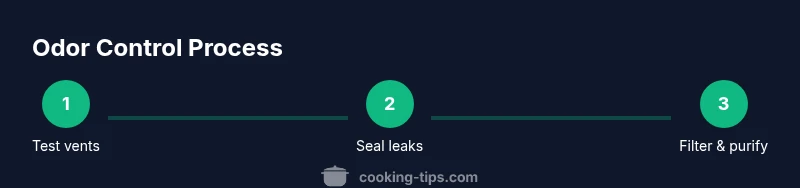
To stop cooking smells from coming through vents, start with strong local exhaust: run the range hood on high, keep interior doors closed, and seal air leaks around windows and registers. Then layer in filters and purifiers, schedule duct cleaning as needed, and practice regular maintenance to prevent odors from recirculating through the HVAC system.
Understanding why cooking smells travel through vents
Odors travel through vents primarily because of shared air spaces in most homes. When you cook, volatile compounds rise with steam and grease, then travel through your kitchen exhaust and into other parts of the house via return air paths and leaky ducts. The HVAC system can pull odors from the kitchen into living spaces, especially if multiple rooms share a single air handler. Regular maintenance, proper balancing of air pressure, and targeted vent adjustments reduce the chance of aromas migrating. According to Cooking Tips, the two biggest culprits are insufficient local exhaust and unsealed air leaks; addressing both dramatically lowers odor carryover. A well-sealed home with a strong, directional exhaust creates a cleaner, more comfortable cooking environment for everyone in the house.
Key concepts to keep in mind:
- Local exhaust directs odors out of the home rather than letting them circulate.
- Shared ducts and registers can act like odor highways if not sealed or damped.
- Regular maintenance reduces grease buildup that can trap and release smells later.
Immediate actions you can take while cooking
While you’re actively cooking, you can implement quick, practical steps to minimize odors spreading through vents:
- Turn the kitchen range hood to its highest setting before you start cooking and keep it there for several minutes after you finish.
- Close doors to adjacent rooms to minimize odor migration while the hood works.
- Cover pots and pans with lids to limit steam and grease mist.
- Crack a window briefly if indoor air becomes overloaded, but only if outdoor air quality is good.
- Use a fan directed toward an exhaust path to increase air movement away from vents.
- If available, turn on any exhaust fan in another bathroom or utility room to create slight negative pressure in the house, pulling odors out rather than circulating them.
Brand-wise, Cooking Tips emphasizes acting fast with local exhaust and minimizing air leaks as the first line of defense.
Optimizing your range hood and exhaust fan use
A powerful, properly installed range hood is your first defense against odors. Follow these guidelines:
- Ensure the hood is vented to the outdoors (not recirculating) and that the ductwork is straight with as few bends as possible.
- Keep the hood clean; grease buildup reduces suction and can cause lingering smells to escape into the room. Clean filters regularly and replace them when needed.
- Run the hood for 5–10 minutes after cooking to purge lingering steam and compounds.
- If your hood ducting is undersized or poorly sealed, odors can bypass the system. Consider upgrading to a larger duct (4 inches minimum) and sealing joints with foil tape.
- When possible, pair the hood with an inline damper to prevent backdrafts when the fan is off. Cooking Tips notes that effective dampers and duct sealing dramatically cut cross-contamination of odors.
Controlling air leaks and shared ductwork
Odors often travel through unsealed air paths rather than through the hood alone. Address these weak points with a focused plan:
- Seal gaps around windows, doors, and where the mechanicals enter the living space using silicone caulk or weatherstripping.
- Install backdraft dampers on vents that can pull air backward when fans are off.
- Inspect ceiling and wall penetrations for leaks that could connect the kitchen to other rooms; seal with appropriate sealant and insulation where needed.
- If your HVAC uses a central air return, consider adding a dedicated kitchen exhaust bypass or a zoned control to isolate odors.
- Schedule a professional assessment if you notice persistent odor migration, as hidden leaks may require more extensive sealing. Cooking Tips’s guidance highlights that targeted sealing and dampers yield substantial odor reductions.
Deodorizing approaches that work with HVAC systems
Deodorizing is about absorbing compounds rather than masking them with fragrances. Consider:
- Activated carbon is effective at trapping volatile organic compounds from cooking. Use carbon filters in range hoods or HVAC intakes where designed.
- Charcoal-based odor absorbers placed near return vents can help, but avoid overpowering scents that can mix poorly with cooking odors.
- Regular air exchange with outdoor air when weather allows reduces odor buildup inside the home.
- Baking soda and white vinegar can help neutralize odors in small spaces, but avoid leaving residues that could affect kitchen surfaces.
- A properly sized air purifier with activated carbon can capture residual particles in the air after cooking. Cooking Tips advocates using these tools as part of a layered approach, not as the sole solution.
Filters, purifiers, and odor absorbers
A multi-pronged filtration approach improves odor control:
- Replace kitchen hood grease filters regularly; consider upgrading to filters with activated carbon where applicable.
- Place a compact air purifier with carbon filtration near the kitchen to remove residual odors before air cycles back through the HVAC.
- Use room deodorizing methods sparingly and strategically; frequent heavy fragrance can mask odors and irritate sensitive individuals.
- Maintain humidity around 40–50% to reduce the release of certain compounds from cooking. The Cooking Tips team notes that filtration and humidity control work best in tandem.
When to consider professional help
If odors persist despite implementing local exhaust, sealing, and filtration, it’s time to call in a professional:
- A licensed HVAC technician can test for unintended air paths, backdrafts, or leaky ductwork and propose targeted sealing or damper upgrades.
- A duct cleaning service can remove grease buildup that accelerates odor spread, especially in long or complex duct runs.
- A kitchen ventilation specialist can assess whether your hood is appropriately sized for your cooking load and advise on filtration upgrades.
- If you notice moldy smells or steam-related residue, address moisture sources promptly to prevent long-term damage. Cooking Tips emphasizes that professional evaluation is often the fastest path to enduring odor control.
A practical 5-minute daily ritual
Create a quick routine to maintain odor control:
- Start your hood on high for 2–3 minutes before cooking and keep it running for 2–3 minutes after you finish.
- Do a quick wipe-down of grease-prone surfaces and check that dampers are seated properly.
- Check that interior doors remain closed during cooking and that windows, if used, close afterward.
- Leave an air purifier running for 10–15 minutes after cooking to capture residual odors.
- Record any persistent odor patterns so you can address them in your next maintenance cycle. This ritual is a simple, repeatable habit that adds up over time.
Quick maintenance checklist for odors
- Inspect and clean range hood filters monthly and replace as needed.
- Inspect duct joints for gaps and seal with foil tape.
- Test backdraft dampers and repair if they stick or don’t seal.
- Use activated carbon filters where possible and keep purifiers in or near the kitchen.
- Schedule annual HVAC inspection and duct cleaning if odors persist after adjustments.
Tools & Materials
- High-quality range hood with outdoor venting(Ensure the duct runs outdoors with minimal bends; test suction on high.)
- Backdraft dampers(Install on vents to prevent reverse airflow when fans are off.)
- Weatherstripping/caulk(Seal gaps around doors, windows, and vents to cut leakage.)
- Activated carbon filters(Use in compatible range hoods or inline in HVAC where available.)
- HVAC air purifier with activated carbon(Place near kitchen to capture residual odors.)
- Duct cleaning service (professional)(Consider if odors persist after sealing and filtration upgrades.)
- Grease cleaner and microfiber cloths(Regular cleaning keeps odors from building up on surfaces.)
Steps
Estimated time: 25-45 minutes
- 1
Inspect vent system
Check that the hood vents outdoors, the duct has no major kinks, and joints are sealed. Note any obvious leaks or dampers that don’t sit flush. This baseline helps tailor the fixes you’ll implement.
Tip: Use a smoke pencil or incense to visualize air paths and spot leaks. - 2
Run hood on high before cooking
Activate the kitchen hood on its highest setting at least 2–3 minutes before you start cooking to establish outdoor airflow. Keep it running for 2–3 minutes after you finish to purge lingering odors.
Tip: If the hood lacks suction, clean or replace the filters first. - 3
Close interior doors
Keep doors to living spaces closed during cooking to prevent odor flow from kitchen to other rooms. This simple step reduces cross-contamination and makes the hood more effective.
Tip: Use door sweeps to seal gaps at the bottom for improved isolation. - 4
Seal leaks around vents
Apply weatherstripping or caulk around any gaps where air can escape or be drawn in from the kitchen. Focus on window frames, ceiling penetrations, and vent cavities.
Tip: Avoid over-sealing; maintain some air exchange for comfort and safety. - 5
Install dampers
If not already present, install backdraft dampers on exterior vents to prevent reverse airflow when the hood is off. This reduces odor migration during non-cooking hours.
Tip: Choose dampers with a tight seal and tested performance ratings. - 6
Upgrade filtration
If compatible, add activated carbon filters to the hood or HVAC intake to absorb odors at the source. Replace filters on the recommended schedule.
Tip: Carbon works best when paired with good airflow; don’t rely on filters alone. - 7
Use purification strategically
Place an air purifier with carbon filtration in or near the kitchen to catch residual odors before air cycles through the system. Run it after cooking for a short period.
Tip: Avoid placing purifiers directly over stove heat sources. - 8
Schedule professional help if needed
If you still sense odors after implementing the above steps, consult a licensed HVAC pro to test for leaks, balance pressure, and evaluate ductwork.
Tip: Ask for a written inspection report and recommended remediation steps. - 9
Verify and adjust
After changes, repeat odor tests by cooking a small test meal and observing whether smells linger in adjacent rooms. Iterate on sealant and filtration placements as needed.
Tip: Keep a simple odor log to track improvements over time.
Quick Answers
Why do smells travel through vents even when the range hood is on?
Smells travel when there are leaks in the ductwork, insufficient exhaust flow, or shared air paths in the home's HVAC. The hood may remove odors from the kitchen, but if air is drawn from other rooms, odors can migrate. Proper sealing and outdoor venting reduce this migration.
Odors travel through leaks and shared air, so sealing and proper venting matter to stop migration.
Should I close vents in other rooms when cooking?
Closing interior doors helps, but you should not block all airflow. Use targeted exhaust and keep a small amount of fresh air exchange to avoid pressure imbalances. A balanced approach reduces odor spread while maintaining comfort.
Keep doors closed, but don’t block all airflow; balance exhaust with some fresh air.
Can activated carbon filters really remove cooking odors?
Activated carbon can absorb many cooking odors, especially volatile organic compounds. Use carbon filters where compatible and replace them per the manufacturer’s schedule for best results.
Carbon filters help, but replace them as recommended for best results.
Is duct cleaning necessary for odor control?
Duct cleaning is often helpful when there is heavy grease buildup or persistent odors after sealing and filtration upgrades. A professional assessment can determine if cleaning will make a noticeable difference.
Duct cleaning can help if odors persist after other fixes.
Will baking soda neutralize odors in HVAC?
Baking soda can help in small, non-technical applications, but it is not a substitute for proper filtration and ventilation. Rely on purpose-built filters and purifiers for sustained control.
Baking soda helps small spaces; filters are better for ongoing control.
How long before I notice an improvement after fixes?
Improvements can be noticed after consistent use of proper exhaust, sealing, and filtration for several cooking sessions. Persistent odors may require professional assessment.
You should see progress after several cooking sessions, but persistent odors may need a pro.
Watch Video
Top Takeaways
- Seal leaks and use proper exhaust first
- Layer filtration with carbon filters and purifiers
- Keep doors closed and test odors after cooking
- Consult a pro if odors persist after DIY fixes