How to Get Cooking Odors Out of Your House
Learn practical, step-by-step methods to remove cooking odors from your home—ventilation, cleaning, deodorizing, and prevention tips from Cooking Tips.


Understanding Cooking Odors and Why They Persist
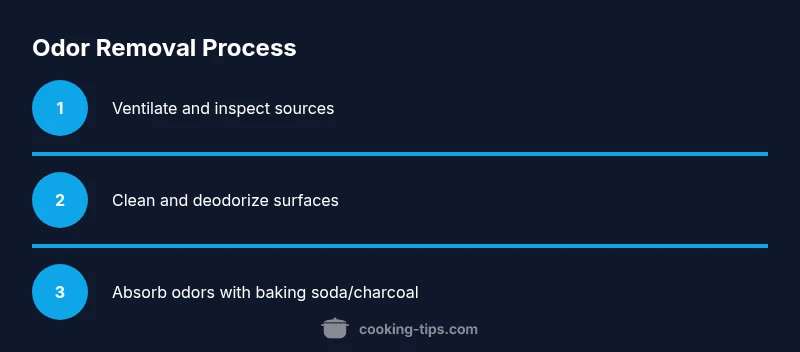
According to Cooking Tips, cooking odors originate from volatile compounds released during heating that can cling to walls, fabrics, and surfaces. These molecules spread with airflow and can linger even after the meal is finished. The key to removing them is a combination of air exchange, surface cleaning, and absorption. Odors don’t disappear on their own at a fixed rate; they respond to how quickly you dilute and neutralize them. By understanding where smells come from—grease films, burnt particles, and moisture-you can design a targeted plan. This section sets the foundation for a practical, room-by-room approach that works in kitchens, dining areas, and adjacent living spaces.
Immediate Actions You Can Take Right Now
When odor hits, acting quickly matters. Open exterior doors and opposite windows to create cross-ventilation, turn on the range hood and any attic or ceiling fans, and remove the immediate odor source if possible (burnt food, spoiled leftovers, or spoiled ingredients). Wipe down nearby surfaces with a degreasing cleaner to prevent grease from trapping smells. If you have fabric window coverings or textiles near the cooking area, shake them outdoors to release trapped vapors. Quick action buys you time while you implement a deeper clean.
Ventilation and Air Circulation: The First Defense
Ventilation dilutes odors at the source. Use a combination of natural airflow and mechanical ventilation: exhaust fans near the stove, ceiling fans in adjacent rooms, and successful cross-ventilation by opening windows on opposite sides of the home. If you own an air purifier with a carbon filter, run it on a medium-to-high setting during and after cooking. The goal is to push stale air out and pull fresh air in, reducing the concentration of odor molecules before they settle into soft furnishings.
Surface Cleaning: Decluttering Odor Sources
Odors cling to grease films, food residues, and sticky surfaces. Start with a thorough wipe-down of kitchen counters, backsplashes, stove hood interiors, and cabinet fronts using a degreasing cleaner. Don’t neglect light switches, door handles, and the top edges of appliances where steam condenses. Rinse with a clean microfiber cloth to avoid spreading residue. For the oven interior and oven racks, remove and soak in hot, soapy water before scrubbing. Cleaning these sources prevents old odors from becoming new ones.
Deodorizing Agents: Natural vs. Chemical Options
Deodorizing isn’t about masking smells; it’s about neutralizing them. Baking soda in bowls around the room or sprinkled on carpets and rugs absorbs odors over time. White vinegar used in a spray bottle or simmered in water on the stove can neutralize many volatile compounds. Activated charcoal, zeolite, or enzymatic cleaners are stronger options for persistent smells. When choosing products, test a small area first and follow label directions to avoid damage to surfaces or finishes.
Textile and Fabric Care: All About Soft Surfaces
Soft surfaces like curtains, sofa covers, and throws can trap cooking odors. Launder or dry-clean fabrics whenever possible. For items that can’t be washed, vacuum with a HEPA-filter vacuum and consider a steam cycle if fabrics tolerate moisture. After washing, air-dry textiles outside or in a well-ventilated area. Don’t overlook cushions, pillow inserts, and bed linens—these are common reservoirs for lingering smells.
Inspect and Address Hidden Odor Sources
Odds are the smell isn’t only in the air. Inspect trash bins, recycling containers, and compost areas; clean and deodorize lids and interiors. Check the fridge and pantry for expired items that can sour and reek. Inspect the dishwasher filter, ice maker, and outer seals for mold or mildew. Look under sinks and inside cabinets for moisture or lingering grease that could harbor odors. A thorough inspection helps ensure odors aren’t hiding in plain sight.
Long-Term Prevention: Habits That Keep Odors Away
Prevention is more effective than repeated cleanup. Establish a quick daily wipe-down routine for counters and stove tops, run exhaust fans during cooking, and ventilate for at least 15–20 minutes after meals. Regularly launder curtains and upholstery that capture kitchen aromas. Consider an air purifier with a carbon filter in busy kitchens. A small daily investment in airflow and cleaning reduces the need for heavy remediation later.
Room-by-Room Odor Removal Checklist
Use this practical checklist to guide odor removal across spaces:
- Kitchen: degrease surfaces, clean hood filters, run ventilation.
- Dining area: wipe surfaces, deodorize textiles, freshen cushions.
- Living spaces: vacuum fabrics, launder drapes, refresh air with purifiers.
- Entryways: remove stale air by opening doors, place odor absorbers near thresholds.
- Bathrooms: ensure humidity control and ventilation to prevent damp odors from spreading.
Safety and Cautions When Deodorizing
When mixing cleaners, avoid creating toxic fumes. Never combine ammonia-based cleaners with bleach. Test cleaners in a hidden area, especially on delicate surfaces. If you burnt something severely or there is smoke damage, avoid re-cooking in the affected room until the issue is resolved. Wear gloves if you’re handling harsh cleaners and keep children and pets out of the work area during deep cleaning.
When to Seek Professional Help
If odors persist after thorough cleaning, consider professional help. Some cases require advanced odor remediation services, professional-grade air purifiers, or odor-neutralizing treatments that go beyond typical household cleaners. A professional assessment can identify hidden moisture problems, mold growth, or material-off-gassing that may be contributing to lingering smells.
Putting It All Together: A 1-Week Odor-Remediation Plan
This week-long plan transitions you from immediate action to long-term prevention. Start with air exchange and surface cleaning today, then schedule fabric cleaning and appliance maintenance. Place odor absorbers in problem zones, and monitor air quality with a simple hygrometer if possible. A consistent, methodical approach prevents odors from returning and preserves a fresh, welcoming home.