How to Get Started Cooking Reddit: A Practical Guide for Beginners
Learn how to start cooking using Reddit as your learning hub. Discover beginner-friendly communities, pick simple recipes, document progress, and build a steady routine with practical steps and tips.


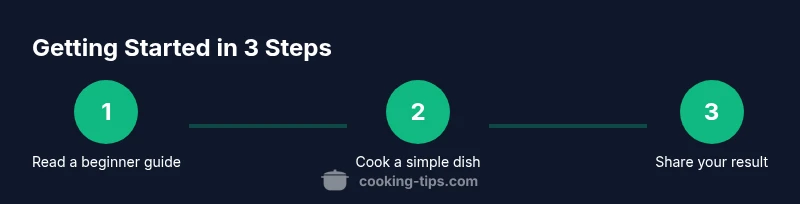
You can start getting into cooking by using Reddit as a learning hub. Find beginner-friendly subs like r/cooking, r/recipes, and r/AskCulinary, then follow a simple three-step path: read, watch, and practice. Keep a short shopping list, track your results, and ask questions when you’re stuck. Document your progress with photos, and gradually try new techniques to level up.
Why Reddit Is a Great Starting Point for New Cooks
Reddit offers a vibrant ecosystem of home cooks, hobbyists, and professionals who share recipes, techniques, and troubleshooting advice. For beginners, the real power lies in seeing multiple approaches to the same dish, understanding why a method works, and having a space to ask questions without fear of judgment. You can compare different techniques side-by-side, watch quick video clips, and read commented notes from people who’ve actually tried the recipe. The Community Moderation helps surface reliable posts, while the comment threads provide practical tweaks and substitutions that suit busy weeknights or small kitchens. Start by following a few reliable subs, then slowly expand your bookmarks as you discover what works for your tastes and equipment.
How to Choose Beginner-Friendly Subreddits
Begin with core communities that welcome newcomers and emphasize clarity and testing. Key subs include r/cooking for general guidance and everyday recipes, r/recipes for curated dishes and photographed steps, and r/AskCulinary for direct questions and expert-like responses. When evaluating a post, look for clear ingredient lists, a short method, and comments where others report success. Prefer posts with photos, stepwise instructions, and timing tips. Use the search bar to find topics like “how to cook rice” or “basic knife skills” so you build a solid foundation before tackling more complex dishes.
First Dishes to Try That Build Confidence
Start with ultra-simple dishes that teach core techniques: scrambled eggs and toast, tomato pasta with a single pot, sheet-pan chicken and vegetables, roasted vegetables, and a basic stir-fry with one protein and a handful of veggies. Each dish should emphasize mise en place (having ingredients ready), controlling heat, and tasting as you cook. As you gain confidence, increase protein options, expand pantry staples, and experiment with spices. Document results with a quick photo and a short note on what to adjust next time.
Your Learning Path: A Simple Reddit-Powered Plan
Adopt a three-step learning path: (1) Read and watch beginner-friendly guides in the subs you follow, (2) Practice 1–2 recipes per week, keeping notes on what worked and what didn’t, and (3) Reflect weekly to refine timing, seasoning, and technique. Create a tiny library of go-to recipes (5–10 at most) that you can rotate through. Schedule a fixed cooking day each week and build a note system for tweaks, substitutions, and your personal preferences.
Building a Routine: From Casual Try-This Weeks to Consistent Cooking
Consistency matters more than complexity. Begin with a predictable routine: set aside a 30–60 minute window, pick a single dish, assemble ingredients in advance, and cook with a timer. Rotate between quick weeknight meals and longer weekend projects to stay motivated. Use Reddit threads to troubleshoot mistakes, but avoid burnout by mixing in zero-pressure meals like grain bowls or simple soups. Over time, your confidence grows as you connect technique to flavor and texture outcomes.
Tools, Utensils, and Pantry Essentials for Beginners
A minimal toolkit is enough to get started: a sharp chef’s knife, a sturdy cutting board, measuring cups, a small saucepan, a non-stick skillet, a mixing bowl, and basic spatulas. Keep pantry staples on hand: salt, pepper, oil, garlic, onions, a starch (pasta or rice), canned tomatoes, and a protein option. Nice-to-have items include a digital thermometer and a sheet pan for one-pan meals. Focus on reliable, easy-to-clean gear that fits your kitchen space, not the fanciest gear.
Common Pitfalls and How to Avoid Them
Common mistakes include overcomplicating recipes, skipping mise en place, using too high heat, and not tasting as you cook. Combat these by prepping ingredients first, heating gradually, keeping watches on time, and adjusting seasoning in small increments. Avoid cross-contamination by using separate boards and utensils for raw proteins. Finally, don’t shy away from asking for feedback in Reddit threads—constructive critique helps you improve faster.
A Sample Week Plan for Getting Started
Plan a 7-day schedule with 3 simple meals and 2 lighter warm-ups: Day 1: scrambled eggs with toast; Day 2: tomato pasta (one-pot); Day 3: sheet-pan chicken and vegetables; Day 4: veggie stir-fry with rice; Day 5: homemade soup with a crusty loaf; Day 6: leftovers remix; Day 7: plan next week’s meals based on what you enjoyed most. Use Reddit posts to discover tweaks and substitutions, and keep notes for future improvements.
Tools & Materials
- Chef's knife(Sharp and comfortable grip for easy chopping.)
- Cutting board(Stable surface; consider separate boards for meat and produce.)
- Measuring cups and spoons(Accurate measurements help with repeatable results.)
- Saucepan (2–3 qt)(Good for rice, sauces, and reheating.)
- Non-stick skillet(Ideal for eggs, pancakes, and delicate proteins.)
- Mixing bowls(Useful for prep and mixing ingredients.)
- Spatula and tongs(For turning, tossing, and serving safely.)
- Basic pantry staples(Salt, pepper, oil, garlic, onions, canned tomatoes, rice or pasta.)
- Oven mitts(Protect hands when handling hot cookware.)
- Digital thermometer (optional)(Helpful for ensuring proteins are cooked safely.)
Steps
Estimated time: 45-60 minutes
- 1
Gather ingredients and prep space
Clear the counters, wash produce, and lay out tools. Set a pot of water to boil for starches and line up ingredients in the order you will use them. This minimizes scrambling and helps you cook with confidence.
Tip: Organize ingredients by prep order to keep the workflow smooth. - 2
Choose one simple recipe
Select a dish with 5–6 ingredients and a clear method. Read the full recipe once before starting and highlight the steps you’ll follow. This reduces last-minute questions and keeps you on track.
Tip: Pick a dish that matches your pantry to avoid last-minute trips to the store. - 3
Prepare ingredients (mise en place)
Chop, measure, and set aside everything you’ll need before you heat anything. Having everything in reach prevents mid-cook improvisation that often goes wrong.
Tip: Measure spices before starting to avoid over- or under-seasoning. - 4
Cook with controlled heat
Start with moderate heat and adjust as you go. Keep an eye on color, aroma, and sound (sizzling vs. burning) to know when to flip, stir, or reduce heat.
Tip: If you’re unsure about timing, use a timer for each stage of the dish. - 5
Taste and adjust seasoning
Taste in small increments and adjust salt, acidity, and sweetness gradually. Record what you changed so you can replicate or avoid it later.
Tip: Taste after each major adjustment and stop when you’re satisfied. - 6
Document results and clean as you go
Take a quick photo and jot down what you’d change. Cleaning as you cook keeps the workspace safe and reduces post-cook burden.
Tip: A tidy kitchen helps you start stronger next time.
Quick Answers
What is the best way to start learning to cook on Reddit?
Begin by subscribing to beginner-friendly subs such as r/cooking and r/recipes, read top posts, and select 2-3 simple recipes to try first. Engage with comments to learn practical tips from other home cooks.
Subscribe to beginner-friendly subs and pick two simple recipes to start. Then read the comments for practical tips.
How can I stay motivated to cook every week?
Set a realistic weekly plan, document your results with photos, and share progress in the community. Small wins build consistency and confidence over time.
Create a small weekly plan and share progress to stay motivated.
What tools do I need as a beginner?
Essential tools include a sharp chef’s knife, cutting board, measuring cups, a saucepan, a skillet, and basic spoons. You don’t need every gadget to start.
Get the essential tools first, then add more as you cook more.
Are there risks in home cooking I should know?
Yes. Be cautious with heat, avoid cross-contamination, and use a thermometer for meat when appropriate. Always practice good hygiene and clean as you go.
Watch heat and cleanliness to stay safe in the kitchen.
How do I find reliable recipes on Reddit?
Look for recipes with clear steps, verify with multiple upvotes or saves, check comments for user feedback, and prefer posts with photos showing results.
Check comments and photos to gauge reliability.
Watch Video
Top Takeaways
- Start with 1–2 simple recipes weekly.
- Use Reddit as a learning hub, not a recipe library flood.
- Prep, cook, and taste deliberately to build confidence.
- Document results to track progress and preferences.