How to Cook for Your Dog: A Home Cooking Guide
A practical guide to cooking dog-friendly meals at home, covering safety, nutrition basics, batch-cooking tips, and gradual feeding strategies from Cooking Tips.


By following this guide, you’ll learn how to cook for your dog safely at home, with vet-aligned nutrition basics, practical meal ideas, and batch-cooking strategies. You’ll discover safe ingredients, portioning concepts, and storage tips to support your dog's health while avoiding common hazards. This answer-style snippet helps you decide if home-cooked meals fit your dog’s needs and how to start safely.
Getting Started with Home-Cooked Dog Meals
Cooking for a dog starts with safety, veterinary guidance, and a clear plan. If you're wondering how to cook for your dog, this guide offers a practical path from grocery selection to batch cooking. Start by noting any health conditions, allergies, or food sensitivities your dog may have, and discuss them with your veterinarian. The goal is to create meals that are complete and balanced for your dog's age, size, and activity level, while avoiding ingredients that can cause harm. In this section we’ll outline a healthy framework: base protein, safe carbohydrates, healthy fats, fiber-rich vegetables, and occasional treats that fit into an overall plan. We’ll also cover storage, preparation surfaces, and kitchen safety so you can cook with confidence. By taking a methodical approach, you reduce the risk of nutritional gaps and dietary upset, and you set your dog up for steady energy and well-being.
Balancing Nutrition: Proteins, Carbs, and Fats
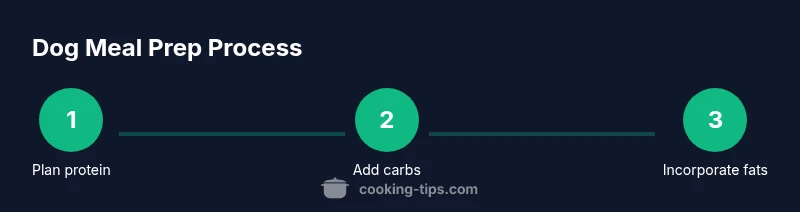
A solid home-cooking plan centers on three macronutrient groups tailored to dogs: proteins, carbohydrates, and fats. Use high-quality animal proteins (e.g., lean poultry, eggs, fish) as the main ingredient, complemented by digestible carbohydrates like cooked grains or starchy vegetables. Healthy fats, such as fish oil or poultry fat, support skin, coat, and energy needs. Vegetables provide fiber and micronutrients but should be chosen for safety and digestibility. Keep portions and variety in mind, and avoid over-supplementing with vitamins unless your veterinarian recommends it. The objective is a meal that provides protein for muscle maintenance, carbohydrates for energy, fats for essential fatty acids, and fiber for digestion, all aligned with your dog's age, size, and activity level. Regularly rotate protein sources to reduce the risk of allergies and to keep meals interesting, while monitoring for any digestive changes.
Safe Ingredients and Foods to Include
Safe proteins: skinless chicken, turkey, lean beef, eggs, and certain fish; Safe carbohydrates: rice, oats, barley, potatoes; Safe fats: small amounts of fish oil or olive oil; Vegetables: carrots, peas, green beans, pumpkin, and spinach in moderation. Always cook proteins thoroughly, avoid bones, and chop ingredients into bite-sized pieces to prevent choking. Introduce new foods gradually, monitor for digestive upset, and consult your veterinarian if you notice persistent changes in stool, appetite, or energy. Flavor enhancers like unsalted broth can be used sparingly, but avoid high-sodium seasonings. Remember: some foods are unsafe for dogs, including onions, garlic, grapes and raisins, chocolate, xylitol, and certain artificial sweeteners. When in doubt, err on the side of simplicity and safety. If your dog has a sensitive stomach, start with single-ingredient introductions before combining foods.
Foods to Avoid and Why
Onions, garlic, chives, and leeks can damage a dog’s red blood cells, even in small amounts. Grapes, raisins, and currants have caused kidney problems in dogs. Chocolate, caffeine, and xylitol are toxic and should be kept away. High-sodium foods, fatty table scraps, and heavily spiced dishes can upset digestion or trigger pancreatitis. Raw dough poses a serious risk of gas and bloating. Dairy tolerance varies by dog; some dogs tolerate small amounts of plain yogurt or cheese, while others are lactose-intolerant. Always check ingredients for hidden additives like onion powder, salt, or artificial sweeteners. The goal is to minimize risk while providing nourishing, dog-safe options.
Cooking Methods: Boiling, Baking, Steaming
Different methods affect texture, digestibility, and nutrient retention. Boiling or simmering meat in water is straightforward and yields flavorful, moist protein. Baking provides structure and can be used for meat treats and loaves. Steaming vegetables preserves more vitamins than boiling water immersion. For all methods, avoid added salt, spices, or sauces unless prescribed by a veterinarian. When combining components, consider cooking time so proteins and carbohydrates finish together, and avoid overcooking to preserve moisture and palatability. Let meals cool before serving to reduce the risk of burns or digestive upset. If you have leftovers, store them promptly in the refrigerator and reheat gently, using a whisk or fork to break up clumps.
Preparing Balanced Meals: Simple Recipes and Batch Cooking
Base Chicken-and-Rice Bowl: Cook chicken breast until fully done, dice, mix with cooked white rice, add steamed carrots and peas, and drizzle with a small amount of olive oil. Another option is Turkey and Potato Mash with hidden veggies like pumpkin puree. Batch cooking allows you to prepare a week’s worth in a single session; cool quickly, portion into dog-friendly containers, and refrigerate for up to a few days or freeze for longer storage. Always reheat to a safe, lukewarm temperature and ensure even heating. Variety helps prevent taste fatigue and nutritional gaps, so rotate proteins and starches while keeping meals dog-safe.
Feeding Guidelines and Safety
Establish a regular feeding routine and measure portions based on your dog’s size and energy needs. Provide fresh water at all times and keep a clean prep area to minimize contamination. Store cooked meals in the refrigerator for short-term use and freeze portions for longer-term storage. When rewarming, check the temperature to avoid hot spots that could burn the mouth. If you notice weight gain, weight loss, or persistent digestive changes, consult your veterinarian to adjust portions or ingredients. Remember that home-cooked meals should complement, not replace, professional dietary plans for dogs with special needs.
Transitioning to Home-Cooked Meals
Begin with a gradual transition over 7–14 days, replacing a portion of your dog’s current meals with home-cooked equivalents. Start with a single protein and grain combination and slowly introduce new foods while monitoring stool, appetite, and energy. If your dog has a chronic condition, work with a veterinary nutritionist to tailor recipes and ensure micronutrient adequacy. Document changes daily and adjust plan gradually to minimize digestive upset and aversion. A thoughtful transition reduces rejection and helps your dog adapt to the new texture and flavor.
Common Pitfalls and Troubleshooting
Avoid over-reliance on single-ingredient recipes; variety supports nutrient balance. Do not rely on bones or weight-bearing bones for protein; ensure all proteins are boneless. If you notice repeated GI upset, consider switching protein sources or increasing fiber gradually. Nutrient gaps can occur if vitamins and minerals aren’t aligned with life stage; consult a vet-nutritionist before adding supplements. Finally, resist the urge to treat every snack as a meal; treats should fit into total daily intake and maintain balance.
Tools & Materials
- Heavy-bottomed pot (2-3 qt)(Good heat distribution for simmering proteins and grains)
- Measuring cups and spoons(Accurate portions for consistent meals)
- Thermometer for meat safety(Ensure proteins reach safe temperatures without overcooking)
- Baking sheet (optional)(Useful for baking proteins or making lean treats)
- Food processor or blender (optional)(Helpful for pureeing vegetables or creating smooth textures)
- Freezer-safe containers or bags(Batch-cook and freeze portions for later use)
- Sharp kitchen knife(Chop ingredients into bite-sized pieces for safety)
Steps
Estimated time: 1 hour 30 minutes to 2 hours
- 1
Consult your veterinarian and set a meal plan
Discuss your dog’s age, weight, activity level, and health conditions. Agree on a plan that includes safe protein sources, acceptable carbohydrates, and a serving structure. Establish any supplements or special considerations with professional guidance.
Tip: Document vet recommendations and keep a simple one-page plan for reference. - 2
Choose a primary protein source
Select a high-quality protein as the base (e.g., chicken, turkey, or lean beef) and ensure it is boneless and fully cooked before serving. Rotate proteins over time to reduce allergy risk and keep meals interesting.
Tip: Start with one protein to simplify initial trials. - 3
Cook the protein to a safe, digestible state
Cook until no pink remains and juices run clear. Use gentle methods like simmering or baking without added salt. Chop into small pieces to ease chewing and digestion.
Tip: Avoid using bone-in cuts to prevent choking or injuries. - 4
Add a digestible carbohydrate base
Incorporate easily digestible carbs such as rice, oats, or potatoes. Ensure grains are fully cooked and cooled slightly before mixing with protein to reduce stomach upset.
Tip: Rinse grains if needed to remove excess starch. - 5
Incorporate vegetables and fiber
Add dog-safe vegetables like carrots or green beans in moderation. Steam or finely chop to aid digestion and absorption of nutrients.
Tip: Introduce new vegetables gradually to monitor tolerance. - 6
Batch-cook and portion meals
Prepare a week’s worth of meals in one session. Cool quickly, portion into containers, and store properly in the fridge or freezer.
Tip: Label containers with date and contents to track freshness. - 7
Transition and monitor your dog
Introduce meals slowly, monitor appetite, stool, energy, and weight. Adjust portions or ingredients as needed, and consult your veterinarian if concerns arise.
Tip: Consistency helps dogs adjust; avoid abrupt changes.
Quick Answers
Is home-cooked dog food complete and balanced?
Home-cooked meals can be complete and balanced when planned with veterinary guidance and, if needed, nutritionist input. Some dogs may require supplements or specific formulations based on life stage and health conditions.
Home-cooked meals can be complete and balanced with proper planning and veterinary guidance. Some dogs may need supplements.
Can I feed my dog the same recipe every day?
Rotating protein sources and varying ingredients can help cover a broader range of nutrients and reduce the risk of sensitivities. If a single recipe is used, monitor for changes in digestion or appetite.
Rotating ingredients helps cover nutrients and keeps meals interesting.
Should I add vitamins or supplements?
Only add vitamins or supplements if your veterinarian recommends them based on your dog’s diet and health status. Misused supplements can cause imbalances.
Only supplement if your vet says so; otherwise, focus on balanced meals.
How should I store cooked dog meals?
Store cooked meals in sealed containers in the refrigerator for short-term use and freeze portions for longer storage. Reheat to a safe, lukewarm temperature before serving.
Keep meals in the fridge for a few days or freeze for longer; reheat gently.
What if my dog has allergies or intolerances?
Identify triggers through elimination trials under veterinary supervision. Replace problematic ingredients with safe alternatives and maintain balanced nutrition.
If allergies are suspected, work with a vet to identify triggers and adjust recipes.
Top Takeaways
- Consult your veterinarian before starting.
- Base meals on protein, carbs, fats.
- Batch cook and freeze for convenience.
- Monitor health and adjust portions.