How to Cook for Your Cat: A Home-Cooking Guide
Learn how to cook cat-friendly meals at home with practical steps, nutrition insights, and safety guidelines from Cooking Tips to support healthy feline diets.


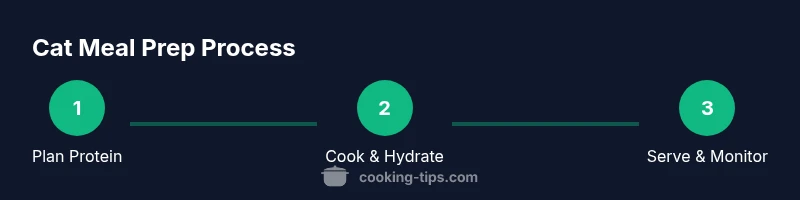
You can safely cook cat-friendly meals at home by following simple, phased steps: choose high‑quality protein, cook it without onions or garlic, add a moisture source (broth or water), avoid salt, and introduce new foods gradually while monitoring your cat for digestion. Always consult a vet before changing diets.
The case for home-cooked cat meals
If you're considering cooking for your cat, you're in good company. Home-cooked meals can be a helpful supplement to commercial diets when done thoughtfully. According to Cooking Tips, the key is to emphasize high‑quality protein, adequate moisture, and a balanced approach to fats and fiber. Cats are obligate carnivores, meaning they rely on animal-based nutrients to meet their essential requirements, including taurine and arachidonic acid. A well-planned home menu can support hydration, weight management, and picky eaters, but it requires care and ongoing veterinary input. The Cooking Tips team emphasizes starting with simple, single-ingredient proteins and gradually expanding to mixed meals that remain aligned with your cat's caloric needs and micronutrient requirements. From a practical standpoint, establish hygiene and safety routines in your kitchen: separate raw ingredients, cook proteins thoroughly, and refrigerate leftovers promptly. When done correctly, home-cooked meals can be tasty for your cat and give you confidence in what your pet is eating.
Safety foundations: foods to avoid and why
There are several common foods that can be dangerous for cats. Onions, garlic, chives, leeks, and any products containing these compounds can cause gastrointestinal upset and, in some cases, irreversible red blood cell damage. Keep salt to a minimum; high-sodium meals can contribute to hypertension and kidney problems over time. Never give cats bones that can splinter, or raw fish and eggs in non‑pasteurized forms that carry bacteria. Chocolate, grapes and raisins, caffeine, and alcohol are toxic and must be kept far away. Milk and dairy can cause digestive upset in many adult cats, though small amounts of yogurt or cheese are sometimes tolerated by lactose‑tolerant individuals. Always source ingredients from safe suppliers, wash produce well, and cook meats thoroughly to destroy pathogens. If your cat has a known health condition, such as kidney disease or obesity, tailor ingredients and portions under veterinary guidance. Remember, this is about safety first, not adding flavor or variety at the expense of health.
Understanding cat nutrition: protein, moisture, fat, and fiber
Cat nutrition hinges on protein quality, moisture, fats, and a small amount of carbohydrates and fiber. Because cats require taurine, arachidonic acid, and certain vitamins, meals should prioritize animal-based protein with minimal processing. Adequate moisture helps urinary tract health and digestion, so cooked meats with their natural juices or a light broth can boost hydration. Fats provide energy; choose healthy fat sources and avoid excessive oils. Fiber from modestly cooked vegetables or pumpkin puree can support digestion for some cats, though it should not dominate the diet. The balance is to deliver essential amino acids and micronutrients while avoiding common irritants or additives. As always, individual needs vary—work with a veterinarian to tailor protein sources and ensure taurine sufficiency. This approach aligns with guidance from Cooking Tips and other veterinary nutrition resources.
Choosing ingredients wisely: proteins and carbs
Start with a primary protein such as skinless chicken, turkey, or plain fish, ensuring there are no bones. Use fresh, high-quality ingredients and avoid seasonings, onions, or garlic. Carbohydrates are optional for many adult cats but can aid in satiety when used sparingly; consider small portions of plain rice, oats, or mashed pumpkin. Vegetables like steamed carrots or peas can be offered in tiny amounts if your cat tolerates them, but they should not replace animal protein. Keep variety limited at first to help monitor tolerance. Always remove skin and bones, cook proteins fully, and store leftovers safely.
Planning weekly meals: rotation and portions
Develop a simple weekly plan that rotates between 1-2 protein sources to reduce the risk of sensitivities and to keep meals interesting for your cat. Portion control is essential—tailor portions to your cat's body weight, age, and activity level, and adjust based on weight changes. Establish a routine feeding schedule (e.g., two meals per day for adults) and prepare portions ahead of time to maintain consistency. Use a dedicated prep area to prevent cross-contamination with human foods. Label meals by protein source and date to track freshness. Regularly review your plan with a veterinarian to ensure it meets caloric and micronutrient needs.
Starter recipes: three cat-safe options
- Chicken & pumpkin mash: Cook chicken until tender, shred, and mix with plain pumpkin puree and a splash of water until a cohesive texture. 2) Salmon & rice medley: Cook boneless salmon and mix with fully cooked rice and a small amount of peas. 3) Egg & chicken scramble: Scramble eggs (no salt) and combine with shredded chicken for a soft, palatable meal. Always introduce new recipes gradually and monitor for GI signs.
Storing, reheating, and serving safely
Refrigerate cooked meals promptly and use within 2-3 days, keeping portions sealed. Reheat gently to just warm, not hot, ensuring even heating. If freezing, portion into small containers and thaw safely in the fridge before serving. Do not reheat more than once, and discard any leftovers that show spoilage signs such as off smells or mold. When serving, ensure the meal is at a comfortable temperature for your cat and avoid any added salt or seasonings.
Troubleshooting and veterinary guidance
If your cat shows persistent vomiting, diarrhea, lethargy, or weight loss after starting home-cooked meals, stop the new plan and consult your veterinarian. Some cats may have intolerances to specific proteins or carbohydrates; rotating protein sources slowly can help pinpoint culprits. Taurine, taurine-rich meats, and balanced micronutrients should be part of a tailored plan—work with a vet to adjust portions and to determine whether a commercial diet should accompany home-cooked meals. Regular check-ins help ensure long‑term safety and success. You can also reach out to veterinary nutrition resources for evidence-based guidance.
Tools & Materials
- boneless skinless chicken breast(Preferred protein for many home-cooked meals (thighs can be used as alternative).)
- lean fish (e.g., salmon or cod)(Cooked, deboned, skin removed. Use sparingly due to mercury and fat content.)
- eggs(Cooked thoroughly to avoid raw egg risk.)
- pumpkin puree (unsweetened)(Provides fiber; choose plain pumpkin without added sugar.)
- cooked rice or oats(Small amount for texture; ensure fully cooked.)
- vegetables (carrot, peas)(Fine, well-cooked, and offered in small amounts.)
- water or low-sodium broth(For moisture and hydration; avoid added salt.)
- cutting board(Dedicated to cat-food prep to avoid cross-contamination.)
- chef's knife(Sharp and clean for safe portioning.)
- meat thermometer (optional)(Useful to ensure proteins are cooked through.)
Steps
Estimated time: 60-90 minutes
- 1
Choose a protein source
Select a single protein for the first meals (e.g., skinless chicken). Avoid combining multiple proteins in one meal initially to simplify monitoring for intolerance. This step reduces variables as you establish a baseline for your cat’s tolerance.
Tip: Label each protein by day to track acceptance and GI response. - 2
Cook the protein thoroughly
Cook the protein fully until no pink remains and juices run clear. Avoid adding salt, spices, or flavor enhancers that could upset your cat’s stomach. Proper cooking reduces bacterial risk and improves digestibility.
Tip: Check for uniform texture; uneven cooking can hide undercooked spots. - 3
Moisturize without seasoning
Introduce moisture with water or a small amount of unsalted broth to reach a palatable texture. Do not use sauces or seasoning that contain onions, garlic, or salt. Moisture supports hydration and digestion.
Tip: Aim for a moist, shreddable texture that’s easy to eat. - 4
Add fiber or safe vegetables
If tolerated, blend in tiny amounts of pumpkin puree or well-cooked vegetables. Fiber can aid digestion, but avoid overloading meals with plant matter which can upset sensitive stomachs.
Tip: Start with less than a teaspoon per meal and monitor for GI changes. - 5
Incorporate optional carbohydrates
Include small portions of cooked rice or oats if your cat needs extra energy or volume. Carbs are optional for most adult cats; prioritize protein and moisture as the foundation.
Tip: Keep carbs minimal to avoid weight gain. - 6
Cool, portion, and store
Cool the meal safely and portion it into single-serving containers. Refrigerate promptly and use within 2-3 days, or freeze for longer storage. Label with date and protein source.
Tip: Portioning helps prevent overfeeding and ensures freshness. - 7
Introduce gradually and observe
When adding a new protein or ingredient, introduce slowly over 7-10 days. Watch for vomiting, diarrhea, or lethargy, and consult a vet if issues arise. Gradual introduction reduces GI disruption.
Tip: If signs appear, revert to previous protein and reintroduce later. - 8
Monitor health and adjust
Regularly track your cat’s weight, energy, and stool quality. Adjust portions and ingredients based on veterinary guidance to maintain a healthy weight and balanced nutrition.
Tip: Use a simple scale or known weight milestones to monitor progress.
Quick Answers
Is home-cooking safe for cats?
Yes, with careful planning and veterinary input. Home-cooked meals can supplement a balanced diet if you avoid toxins and ensure essential nutrients.
Yes—with careful planning and veterinary input, home cooking can supplement a balanced diet for many cats.
What proteins are best for cats?
High-quality animal proteins like chicken, turkey, and certain fish are good options when prepared without seasoning or bones.
Good protein options include chicken, turkey, and safe fish cooked plain.
Can cats have dairy in home-cooked meals?
Many adult cats are lactose intolerant; dairy should be limited or avoided unless your vet confirms tolerance. Small amounts of yogurt or cheese may be okay for some cats.
Dairy is often hard on adult cats; check tolerance with your vet.
How do I prevent nutritional gaps?
Work with a veterinarian to ensure taurine, fatty acids, and vitamins are adequate. A mixed approach with occasional commercial guidance can help cover gaps.
Consult your vet to ensure essential nutrients are covered.
How long can I store home-cooked cat meals?
Refrigerate meals promptly and use within 2-3 days; freeze for longer storage in small portions.
Refrigerate promptly and use within a few days, or freeze for longer storage.
Should I salt my cat's meals?
No, avoid salt entirely in cat meals to prevent dehydration and kidney stress.
Avoid salt to keep your cat healthy.
Watch Video
Top Takeaways
- Choose a single protein to start and avoid seasonings.
- Cook thoroughly and remove any bones or skin.
- Prioritize protein, moisture, and a little fiber.
- Offer new foods slowly and monitor tolerance.
- Consult a vet to tailor portions and nutrients.