How Can Cooking Reduce Stress? A Practical Guide for Home Cooks
Explore how cooking reduces stress through mindful routines, calming techniques, and simple, comforting recipes. Learn step-by-step methods to turn meal prep into mood-boosting rituals for daily peace.


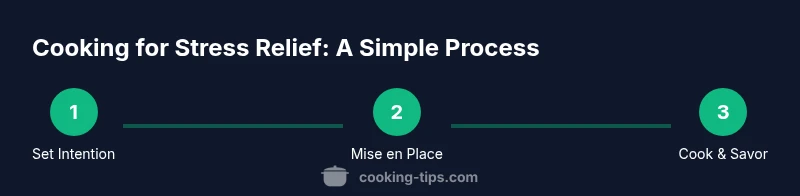
Cooking reduces stress by engaging your senses, restoring control, and creating a ritual you can look forward to. Start with a simple plan, gather essentials, and choose a comforting recipe. Follow a calm, focused workflow: prep, cook, and savor, then reflect on the experience. Regular practice—about 20 to 40 minutes per session—builds mood resilience and reduces daily tension.
The science behind cooking and stress
Cooking engages multiple brain networks that regulate attention, emotion, and reward. When you chop vegetables, simmer a sauce, or knead dough, your focus narrows to the present moment, interrupting rumination about worries. The activity also triggers the release of feel-good chemicals in the brain, such as dopamine in response to successful outcomes and serotonin regulation through routine and social feedback. According to Cooking Tips, these mechanisms can help lower perceived stress by replacing chaotic thoughts with a manageable task and a tangible result. Regular, mindful cooking creates a predictable structure that people crave when anxious, giving a sense of control that counteracts stress responses. The sensory stimulation of cooking—aroma, texture, sound—acts as a natural grounding tool, helping you feel anchored in the here and now.
This is not about gourmet feats; it’s about steady, repeatable actions that give your brain something solid to latch onto during uncertain times. By choosing familiar ingredients and simple techniques, you reduce cognitive load and increase the likelihood that you’ll finish a task and experience a small sense of achievement. Over time, those small wins accumulate into greater overall calm and resilience.
Mindfulness through your kitchen routines
Mindfulness in cooking comes from slowing down, paying attention to each step, and noticing sensations—how garlic smells as it hits hot oil, the color change in onions, the sound of simmering liquid. This deliberate focus interrupts negative thought spirals and activates the body’s relaxation response. A steady rhythm—chop, measure, stir, taste—gives you a predictable tempo that can feel soothing on busy or anxious days. Even ordinary tasks like washing vegetables or wiping the counter can become mindfulness anchors when done with intention. By tying breath to action (inhale while you set up ingredients, exhale as you stir), you can deepen the calming effect without needing advanced cooking skills. The aim is consistency over intensity: small, reliable sessions that you look forward to every day.
Building a calm, reliable cooking routine
Consistency is key for stress relief. Start with a 20–30 minute routine a few days a week, then gradually increase as it fits your schedule. Pick recipes that require minimal multitasking and use a simple mise en place setup: separate bowls for prep, a hot pan with the right oil, and a clear place to set finished components. Keeping a short list of favorite comforting meals helps you avoid decision fatigue. Document how you feel before and after cooking to notice mood improvements over time. The point is to create an accessible ritual that becomes a dependable refuge during tense periods.
Simple, mood-boosting kitchen rituals
Rituals create predictability, which soothes the nervous system. A basic ritual could be: turn on a soft playlist, light a candle or switch on warm lighting, wash hands, set your intention for the meal, then begin. Use this moment to check in with your breath: inhale for four counts, exhale for six. Closing the loop with a brief reflection—what felt calmer, what tasted comforting—reinforces the habit and provides a gentle sense of closure.
Practical routines to start for stress relief
Start with one reliable recipe that requires few ingredients and minimal steps, such as a vegetable roasted in olive oil with herbs, or a simple soup that simmers while you take a short walk or stretch. Schedule cooking as a nightly or post-work ritual, pairing it with a calming activity like listening to a favorite playlist or sipping tea. Plan weekly menus that emphasize comfort foods in balanced portions, so you don’t feel overwhelmed by choices. If mistakes happen, treat them as part of the process—every cook develops stress-management skills through practice, not perfection.
Tools and techniques that support calm cooking
A well-organized kitchen reduces stress: mise en place (prepping and lining up ingredients), a reliable timer, and a comfortable workspace reduce frantic moments. Use a stable cutting board with a non-slip grip, a sharp knife for efficiency, and a sturdy pan with a tight lid to minimize splatter and heat management tasks. A soothing soundtrack at a low volume and soft lighting also contribute to a calmer atmosphere. Keeping a small notepad to jot quick reflections after cooking helps you track what routines work best for mood support.
Simple recipes that promote calm and mood
Choose recipes with cozy flavors and straightforward steps. For example, roasted vegetables with lemon and herbs: chop vegetables, toss with oil, salt, pepper, and herbs, roast until tender, then finish with lemon juice. A comforting lentil soup combines onion, garlic, carrots, lentils, and stock, simmered until thick and creamy. A basic one-pot pasta with olive oil, garlic, greens, and parmesan offers warmth without complexity. These dishes provide reliable results and sensory satisfaction, reinforcing a calming cycle rather than a chaotic one.
Common missteps and how to avoid them
Avoid overloading the kitchen with too many tasks at once; multi-tasking raises stress levels and increases the chance of mistakes. Don’t skip mise en place; it’s the difference between calm execution and frantic scrambling. If a recipe feels too lengthy, break it into two shorter sessions or choose a simpler version. Be mindful of temperature changes and safety when handling hot pans, and take small breaks if you notice rising tension or frustration.
Adapting cooking to different schedules
If daily cooking feels daunting, implement batch cooking on weekends. Prepare base components (grains, roasted vegetables, beans) you can combine quickly during the week. For ultra-busy days, select 15-minute recipes like a quick stir-fry or sautéed greens with beans. Even short, intentional cooking sessions can deliver mood-boosting effects when paired with mindful breathing and a calm environment.
Tools & Materials
- Chef's knife(Sharp, 8–10 inches; keep edge honed)
- Cutting board(Stable surface; non-slip preferred)
- Saucepan(Medium size (1–2 quarts) with a lid)
- Skillet or sauté pan(Heavy-bottomed for even heating)
- Mixing bowls(Set of 2–3 bowls in different sizes)
- Measuring cups/spoons(Standard set for dry and liquid measures)
- Timer(Digital or mechanical; easy to set)
- Olive oil(High-quality, first-press if possible)
- Herbs/aromatics (garlic, lemon, rosemary)(Fresh if available for aroma)
Steps
Estimated time: Total time: 20-40 minutes
- 1
Set a calm intention
Begin by pausing for a moment to notice your breathing and set a simple goal for the cooking session. This primes your nervous system for a calmer experience and helps you stay focused on the task at hand.
Tip: Take four slow breaths before you start to anchor your attention. - 2
Gather ingredients and tools
Arrange your mise en place: gather all ingredients and lay out tools you’ll use. This reduces last-minute stress and makes the workflow smoother.
Tip: Group items by task (prep, cooking, finishing) to minimize wandering in the kitchen. - 3
Prep with mindful pace
Chop, measure, and rinse with steady, deliberate movements. Notice textures, smells, and the sound of chopping to keep your mind present.
Tip: Keep a consistent knife pace; don’t rush, especially with hard vegetables. - 4
Cook with a calm rhythm
Cook using a gentle simmer or steady sauté. Use a timer to prevent overcooking and to maintain a predictable pace that supports calm.
Tip: Stir only as needed and breathe in sync with your actions. - 5
Plate and savor slowly
Present your dish on a clean plate, take a mindful bite, and notice flavors, warmth, and texture. This reinforces the sense of completion and reward.
Tip: Chew slowly and pause between bites to gauge mood shifts. - 6
Reflect and adjust for next time
Briefly note what felt calming and what was stressful. Use those insights to simplify future sessions and improve your mood outcomes.
Tip: Keep a short journal entry after meals about mood changes.
Quick Answers
Can cooking really reduce stress for most people?
Yes. Cooking can help by shifting attention to sensory experiences, breaking cycles of worry, and delivering a sense of accomplishment. A regular, mindful practice creates a reliable refuge that supports mood regulation over time.
Yes. Cooking helps by focusing attention and giving you a sense of accomplishment, which supports mood regulation.
What kinds of recipes work best for stress relief?
Choose simple, comforting dishes with familiar flavors that you can finish in 20–40 minutes. Avoid overly complex multitasking during the session to keep stress low.
Opt for simple, comforting meals you can finish in under an hour.
How long should a calming cooking session last?
Aim for 15–40 minutes per session, depending on your schedule. The goal is consistency and mindful engagement, not length.
Even 15 minutes can help if you stay present.
Can kids benefit from cooking for stress relief?
Yes, with supervision. Cooking builds focus, confidence, and cooperation, turning meals into shared calming activities.
Cooking together can help kids feel calmer and more capable.
What if I have no time?
Use batch cooking and quick 15-minute recipes. Even short, intentional sessions can offer mood benefits when paired with mindful breathing.
Short, focused cooking can still boost your mood.
How can I make cooking a regular habit?
Link cooking to a fixed daily cue (like after work) and set realistic goals. Track mood improvements to reinforce the routine.
Create a steady cue and notice how you feel after cooking.
Watch Video
Top Takeaways
- Practice mindful cooking to lower stress through sensory focus.
- Build a simple, repeatable routine to reduce overwhelm.
- Batch cooking saves time and mental energy.
- Savor and reflect to reinforce mood benefits.
- Consistency matters more than complexity.