How Cooking Can Be Therapeutic: A Practical Home Guide
Explore how cooking can be therapeutic by turning kitchen time into mindful practice. Learn step-by-step routines, environment tweaks, and journaling tips to boost mood, reduce stress, and build resilience through everyday meals.


Cooking can be therapeutic by transforming routine prep into mindful, sensory-rich practice that lowers stress and boosts mood. Start small, focus on breathing, and celebrate small wins. For the full step-by-step guide, dive into the detailed article. According to Cooking Tips, structured kitchen routines can amplify these effects. You'll learn practical strategies and simple habits you can adopt right away.
How cooking can be therapeutic: an overview
Cooking can be therapeutic when you treat kitchen time as a safe, predictable ritual rather than a race against the clock. For home cooks, the act blends nourishment with agency, creativity with routine, and sensory engagement with mood regulation. The question 'how can cooking be therapeutic' is best answered by focusing on structure, attention, and small wins. When you approach meals as daily practice, you create opportunities for grounding, self-care, and meaningful connection with others. According to Cooking Tips, the therapeutic potential of cooking grows when steps are clear, tools are accessible, and the environment supports calm focus. In this guide, you will learn practical strategies, evidence-informed ideas, and simple habits you can adopt right away. You don't need a psychology degree to benefit—just curiosity, a quiet kitchen, and a willingness to pause long enough to notice what happens when you cook. This approach is designed for busy evenings, weekend meal prep, and everything in between, so you can use food as a reliable ally for well-being.
The science behind cooking and well-being
The act of cooking engages the senses in a way that can soothe the nervous system. The smell of garlic, the texture of dough, the sound of simmering liquid—all provide sensory cues that help settle attention away from rumination. Ritualized cooking can also trigger reward pathways: mastering a technique or completing a dish provides a sense of competence and control. Mindful, repetitive tasks—kneading dough, whisking a sauce, or chopping vegetables—can release dopamine in patterns that reinforce calm, focused effort. While cooking itself is not a substitute for professional care, the practice can complement therapy or self-care routines by creating structured, meaningful moments. For home cooks, these moments add up across days and weeks, contributing to overall mood stability and a stronger sense of self-efficacy. Trading hurried prep for deliberate action also reduces impulsive snacking and fosters healthier, more intentional choices around food.
Practical ways to make cooking therapeutic in everyday life
- Create a simple, repeatable routine: designate a specific day or time for a short cooking session, and keep equipment accessible.
- Design a calm environment: dim lighting, a clean countertop, and minimal distractions help maintain focus and reduce stress.
- Use sensory anchors: notice colors, textures, smells, and sounds as you work, and allow your breathing to synchronize with the pace of tasks.
- Set small achievable goals: aim to finish a dish or simply practice mindful chopping for a set 10-minute window.
- Journal after cooking: jot down mood notes, energy levels, and observations to identify what works best for you.
These practical steps create a reliable framework for therapeutic cooking, turning meals into moments of grounding and growth. In addition to routine, a supportive kitchen setup can make a big difference, particularly for beginners or those juggling stress. Remember: consistency beats intensity when building a habit that benefits mental well-being.
Recipe types and techniques that calm the mind
Certain culinary tasks are naturally soothing because they emphasize steady pace and repetitive motion. Kneading dough, slow-cooking soups, and whisking sauces invite a rhythm that counteracts racing thoughts. Simple bread or muffin doughs offer tactile feedback as gluten develops, providing a tangible sense of progress. Slow simmering stews allow you to watch colors deepen and aromas bloom, which can be grounding and comforting. Even quick salads or roasted vegetables, when prepared with attention and simple seasoning, can be meditative. The key is choosing tasks that match your energy and keeping the steps uncluttered, so you don’t feel overwhelmed.
Mindfulness and attention in the kitchen
Mindfulness in cooking means engaging fully with the present moment. Practice single-tasking: focus on one action at a time—washing, slicing, stirring—without letting other worries pull you away. Notice sensations: the knife slice against the board, the heat of the pan, the aroma of herbs. Use breath cues to mark transitions between steps, such as a slow inhale as you set down a knife and a release as you stir. When attention wanders, gently return to the task without self-criticism. This approach strengthens concentration, lowers rumination, and makes cooking feel like a restorative ritual.
Emotional benefits: stress relief, grounding, sense of accomplishment
Cooking can act as a mood regulator by providing structure, meaning, and immediate feedback. Completing a dish offers a concrete sense of achievement, which boosts self-worth and motivation. The sensory engagement—touching dough, hearing sizzle, seeing vibrant colors—helps ground anxious thoughts and redirect energy toward constructive activity. When paired with reflective journaling or a brief post-meal check-in, cooking becomes a reliable tool for emotional balance. Cooking Tips analysis shows that regular, mindful cooking correlates with improved mood and greater resilience, particularly for people who struggle with time pressures in daily life.
Social cooking: connection, collaboration, family meals
Cooking with others multiplies the therapeutic effects by building social connection and shared purpose. Family meals, cooking with a partner, or a community cook-along can enhance mood through teamwork, laughter, and mutual support. Assign roles based on preference and ability, which fosters autonomy and reduces friction. Even when time is scarce, a shared snack prep or quick meal together can create meaningful social moments. For many home cooks, social cooking provides a sense of belonging that strengthens emotional well-being over the long term.
Barriers and cautions: when cooking isn't enough; seeking help
Therapeutic cooking is a supportive practice, not a cure-all. If mood symptoms persist or worsen, consider seeking professional guidance in addition to cooking routines. Some people may experience anxiety around ovens or sharp tools; in these cases, start with safer tasks like washing vegetables or using a slow cooker. If you have food allergies or sensitivities, adapt recipes accordingly and consult a nutritionist if needed. Finally, if kitchen activities trigger distress, pause and shift to non-cooking grounding techniques such as a short walk or breathing exercise.
Creating a personal therapeutic cooking plan
Begin by outlining a weekly micro-goal: a simple recipe, a specific sensory task, and a 10-minute reflection window afterward. Build a predictable schedule that fits your energy patterns, with room to adjust when stress peaks. Track what works: which recipes, which environments, and which moods align best with your cooking time. Over several weeks, refine your plan to maximize mood support and consistency. If a plan feels too rigid, allow small changes to keep the process enjoyable rather than burdensome.
Measuring impact: keeping a simple journal
A lightweight mood journal can reveal patterns about how cooking affects well-being. Note the dish you prepared, the environment, and your mood before and after cooking. Record any physical sensations, sleep quality, or appetite changes. Over time, you’ll spot trends that indicate which practices offer the most benefit. This habit helps you sustain motivation and demonstrate progress, reinforcing cooking as a therapeutic routine rather than a chore.
Tools & Materials
- Chef's knife(sharp, 8-10 inch blade)
- Cutting board(stable, non-slip surface)
- Saucepans and frying pans(at least 2 sizes)
- Mixing bowls(varied sizes)
- Measuring spoons & cups(metric and standard)
- Kitchen timer(digital or mechanical)
- Notebook or mood journal(for reflections)
- Basic pantry staples(salt, oil, herbs, spices)
Steps
Estimated time: 45-60 minutes
- 1
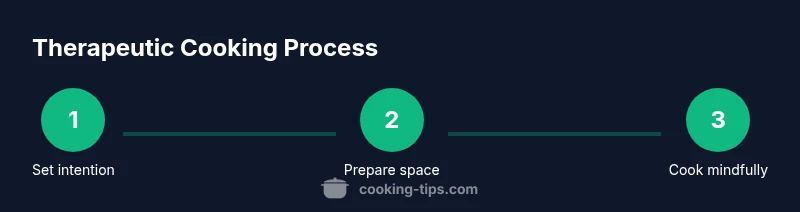
Set intention and prepare space
Clear the counter, put away distractions, and define a simple goal for the session (e.g., focus on breath while chopping). Gather needed ingredients and tools so nothing interrupts the flow. A clear start reduces chaos and primes your mind for present-moment engagement.
Tip: Keep the phone out of reach and set a gentle reminder to return to task if you drift. - 2
Gather ingredients and tools
Assemble everything you’ll use, checking for allergies or preferences. Having ingredients visible reduces decision fatigue and speeds the process. This step creates a sense of control and reduces stress during cooking.
Tip: Arrange items by task (washing, chopping, heating) to streamline workflow. - 3
Engage in mindful prep
Smell, touch, and observe each ingredient as you prepare it. Move slowly, notice textures and colors, and connect each action to your breath. This builds focus and makes routine tasks feel meditative.
Tip: Narrate your actions aloud to reinforce attention without judging yourself. - 4
Cook with presence
Follow the recipe at a steady pace, watching heat levels and timer cues. If you notice frustration rising, pause for a breath or switch to a simpler task. Mindful cooking favors deliberate steps over hurry.
Tip: Use a timer to anchor attention and avoid rushed stirring. - 5
Plate and reflect
Present the finished dish thoughtfully and take a moment to notice color, aroma, and texture. Reflect on how the process felt, what you learned, and how your mood shifted after cooking.
Tip: Write down one positive takeaway before cleaning up. - 6
Cleanup as cooldown
Tidy the workspace with a calm rhythm, acknowledging your effort. The repetitive motions of cleaning can be just as grounding as cooking. A tidy space also reinforces a sense of completion.
Tip: Turn on soft music or a podcast at a low volume if it helps you unwind. - 7
Review progress and plan next session
Review notes in your mood journal and set a realistic plan for the next cooking session. Adjust recipes or routines based on what worked well and what caused tension. Small, gradual tweaks sustain momentum.
Tip: Set a SMART goal for the next session (Specific, Measurable, Achievable, Relevant, Time-bound).
Quick Answers
Is cooking truly therapeutic for mental health?
Yes, when used as a mindful practice. It provides structure, sensory engagement, and a sense of accomplishment that can support mood and resilience, especially when combined with reflection and routine.
Yes. Cooking can support mood and resilience when done mindfully and with a regular routine.
What kitchen setup helps therapy-focused cooking?
A calm, organized space with good lighting, minimal distractions, and easy access to tools helps maintain focus and reduces stress during cooking.
A calm, organized kitchen helps you stay focused and relaxed while cooking.
Can beginners benefit from therapeutic cooking?
Absolutely. Start with simple recipes and short sessions. Repetition builds confidence, and every small success reinforces positive eating and mood outcomes.
Yes, beginners can benefit through simple tasks and steady practice.
How long should a therapy-focused cooking session last?
Aim for about 30-60 minutes, depending on energy level and time constraints. Short, consistent sessions are often more sustainable than long, sporadic ones.
Try 30 to 60 minutes, keeping it regular and manageable.
What if I have food allergies or dietary needs?
Adapt recipes to suit allergies or dietary goals. Substituting ingredients while maintaining structure can keep the practice accessible and safe.
Adapt recipes to your allergies and dietary needs.
How can I measure the impact of therapeutic cooking?
Keep a simple mood and energy journal tied to cooking sessions. Look for trends over weeks to see which tasks and environments help most.
Use a mood journal to track changes over time.
Should I combine cooking with other coping strategies?
Yes. Pair cooking with breathing exercises, gentle movement, or reflective writing to build a broader well-being routine.
Combine with breathing and reflection for a stronger routine.
When should I seek professional help?
If mood issues persist, worsen, or interfere with daily life, consult a mental health professional in addition to any cooking routine.
If mood problems persist, seek professional help.
Watch Video
Top Takeaways
- Start with a calm space and clear intention.
- Use senses to anchor attention during prep.
- Build small, repeatable routines for consistency.
- Cooking can boost mood and resilience when practiced regularly.
- Journaling helps track impact and guide future sessions.