Cook to Eat Well: A Practical Everyday Guide for Home Cooks
Discover how to cook to eat well with a practical plan. Learn planning, shopping, cooking methods, portions, and flavor balance for everyday meals everywhere.


Cook to eat well means preparing meals that balance nutrition, flavor, and practicality so you can stick to healthy habits. This guide shows a clear, step-by-step approach to planning, selecting ingredients, cooking methods, and mindful portions. By focusing on whole foods, versatile techniques, and realistic timelines, you’ll build a routine that makes tasty, nutritious meals easy to sustain every day.
Why 'cook to eat well' matters
According to Cooking Tips, cook to eat well isn't just trendy; it's a practical mindset that helps you fuel your body and enjoy your meals. When you focus on balancing nutrients, taste, and ease, you're more likely to stay consistent. This approach is particularly valuable for busy households where meals must be quick, affordable, and satisfying. By integrating smart planning with simple techniques, you can replace takeout with home-cooked meals that support your health goals and taste preferences. In this guide, we’ll lay out a clear framework for planning, shopping, cooking, and portioning so you can eat well without turning cooking into a full-time job. Your goal is a flexible system you can adapt to your schedule and budget while keeping flavors vibrant and textures varied.
Build a balanced plate: nutrition and flavor
A balanced plate centers on vegetables, lean protein, whole grains, and healthy fats. Start with half the plate vegetables or fruit, a quarter protein, and a quarter starch or whole grain. Use herbs, spices, and acid to boost flavor without extra sugar or salt. For home cooks, it's about practicality: choose ingredients you enjoy, buy in season, and prepare them in one or two reliable ways. Consistency matters more than perfection; small, repeatable choices compound over time to deliver steady energy and better mood. In practice, you’ll tailor portions to your activity level and personal goals, whether you’re aiming to support weight management, athletic performance, or general wellness.
Smart shopping and pantry habits
Planning begins at the market or in your grocery list. Create a simple weekly plan that emphasizes whole foods: fresh vegetables, legumes, whole grains, and affordable proteins. Cooking Tips analysis shows that meals built from staples reduce waste and save money compared with frequent shopping trips for specialty items. Keep a short, reusable list and stock a few versatile items (canned beans, rice, tomatoes, onions, garlic) to build meals quickly. Batch-cook components like grains and proteins on Sundays or weekday evenings, then rotate flavors with different herbs, spices, and condiments. By treating your pantry as a toolkit rather than a maze, you’ll have speed and confidence during busy weeknights.
Cooking methods that maximize nutrition
The way you cook affects nutrient retention and flavor. Favor methods that require less added fat and preserve texture, such as steaming, boiling, sautéing with minimal oil, roasting, and gentle simmering. Use a thermometer to avoid overcooking proteins, and remember that heat level matters as much as time. For grains and legumes, soak or rinse as needed to reduce anti-nutrients and improve digestibility. A simple rule of thumb: cook foods until just tender, not mushy. This reduces sodium needs and keeps flavors bright, which helps you stick to a healthy eating pattern.
Planning, prep, and mindset for success
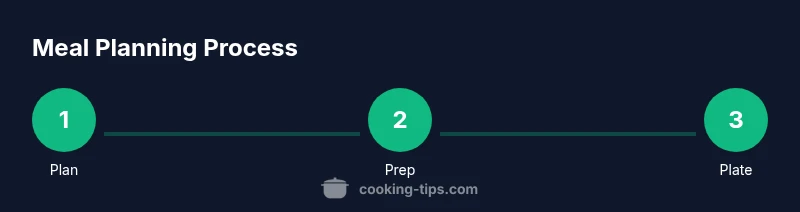
Successful cooking to eat well blends routine with flexibility. Start by setting a weekly plan with 3-5 meals your family enjoys. Prepare a 1-page prep map: wash and chop vegetables, portion proteins, and pre-measure spices. On cooking days, follow the plan but be prepared to adapt if a market staple is missing. The mindset is crucial: view cooking as a transferable skill rather than a chore. Track progress, celebrate small wins, and adjust portions and ingredients as you learn what works best for your household.
Tools & Materials
- Chef's knife(Sharp, 8-10 inch blade)
- Cutting board(One wooden or plastic board)
- Saucepan(At least 2-quart size)
- Skillet or frying pan(Nonstick or cast-iron preferred)
- Mixing bowls(Set of 3 sizes: small, medium, large)
- Measuring cups and spoons(Dry and wet measures in standard sizes)
- Colander or sieve(For rinsing grains and veggies)
- Storage containers(Clear, BPA-free with airtight lids)
- Kitchen timer or timer app(To track cooking and resting times)
Steps
Estimated time: 30-60 minutes total
- 1
Define your goals
Identify 3 core nutrition goals for the week, such as increasing fiber, reducing refined sugar, and ensuring a protein-rich meal at least once per day. This focus will guide your ingredient choices and portions.
Tip: Write down your goals and keep them visible in your kitchen. - 2
Plan a balanced weekly menu
Draft 5-6 meals that you enjoy and can prepare with available ingredients. Map each meal to vegetables, protein, and whole grains to maintain balance. This plan reduces decision fatigue on busy days.
Tip: Note leftovers that can become new meals to minimize waste. - 3
Create a simple shopping list
Convert your plan into a focused list, grouped by store sections. Prioritize whole foods and staples over packaged convenience items. This keeps shopping efficient and aligned with your goals.
Tip: Shop the outer aisles first for fresh produce and proteins. - 4
Prep ingredients in advance
Chop vegetables, measure spices, and batch-cook grains or proteins when time allows. Pre-portion ingredients so weekday cooking is quick and stress-free.
Tip: Label containers with date and contents to track freshness. - 5
Cook using versatile methods
Use 2-3 core techniques (roast, steam, sauté) and adapt with different herbs and sauces. Cooking in batches saves time and builds flavor variety with minimal effort.
Tip: Roast several vegetables together to maximize oven efficiency. - 6
Plate with portion awareness
Apply the plate method: half vegetables, a quarter protein, and a quarter whole grain. Use measuring tools if helpful to ensure portions align with goals.
Tip: Use a reusable portion guide or a simple chart for quick reference. - 7
Review and adjust
At week’s end, note what worked, what didn’t, and any substitutions you’d make next time. Adjust portions, ingredients, and timings for continuous improvement.
Tip: Keep a brief cooking journal to track changes.
Quick Answers
What does 'cook to eat well' mean?
It means preparing meals that balance nutrition and flavor using practical cooking skills. The approach emphasizes whole foods, sensible portions, and sustainable habits rather than restrictive diets.
Likely to say: It means cooking meals that balance nutrition and flavor using practical kitchen skills.
Do I need special equipment to cook to eat well?
No specialized gear is required. A few basic tools—knife, cutting board, a couple of skillets, bowls, and measuring tools—cover most tasks for home cooking.
No special equipment is needed; basic tools will get you started.
How often should I plan meals?
Plan at least a week in advance if possible. A flexible plan that allows substitutions keeps you consistent without feeling restricted.
Weekly planning works well; adjust as needed for your schedule.
How can I avoid food waste?
Batch cook and repurpose leftovers. Store foods properly and label portions to encourage reuse rather than discard.
Batch cooking and smart storage helps minimize waste.
Is eating well expensive?
It can be budget-friendly when you rely on staple ingredients and seasonal produce. Plan meals around affordable options to stretch your grocery dollars.
It can be affordable with smart planning and seasonal choices.
Watch Video
Top Takeaways
- Define clear nutrition goals and revisit weekly.
- Plan meals around whole foods and simplicity.
- Shop with a short, focused list.
- Portion meals to support your goals.
- Review and adjust the plan weekly.