Health Food to Cook: A Practical Guide for Everyday Meals
Learn to choose, prep, and cook health-forward meals with simple ingredients, proven techniques, and budget-friendly tips from Cooking Tips. A complete, step-by-step guide for home cooks.


Learn how to cook health-forward meals by choosing staple whole foods, applying nutrition-preserving techniques, and planning weekly menus. This guide covers core ingredients, simple recipes, and time-saving shopping strategies so busy home cooks can boost nutrition without sacrificing flavor. According to Cooking Tips, focusing on wholesome, minimally processed ingredients yields reliable results, supports energy, and makes healthy cooking approachable for busy households.
Foundations: health-forward cooking values
Healthy cooking starts with a simple philosophy: foods closest to their natural state, prepared with respect for flavor and nutrition. Health food to cook isn't about deprivation; it's about choosing ingredients that nourish energy, mood, and longevity, and about cooking methods that preserve vitamins and minerals. According to Cooking Tips, sustainable food choices begin with a pantry built on whole grains, legumes, seasonal vegetables, lean proteins, healthy fats, and minimal added sugars. This block lays the groundwork: how to think about ingredients, portions, and balance. We'll discuss macronutrient balance (protein, carbohydrates, fat) and micronutrients (fiber, vitamins, minerals) and how to maximize them with everyday cooking. We'll also touch on safety, storage, and how to read labels without getting overwhelmed. The goal is practicality: make smart swaps, build meals that satisfy taste and nutritional needs, and create a kitchen routine that supports consistent healthy meals. The Cooking Tips team found that when home cooks adopt a health-forward mindset, they cook more often from scratch, rely less on ultra-processed snacks, and report better energy throughout the day. Health food to cook should be framed as a sustainable habit rather than a one-off effort.
Pantry essentials: health food to cook staples
A well-stocked pantry makes it easy to assemble nourishing meals in minutes. Core staples include: dry lentils and beans, quinoa, brown rice, oats, canned tomatoes, olive oil, and a selection of spices. Fresh produce like leafy greens, carrots, onions, and citrus complements these basics. Nutritious proteins such as eggs, canned fish, and lean poultry round out the roster. Store items properly to extend shelf life and reduce waste. When selecting packaged foods, prioritize items with recognizable ingredients and minimal added sugars. The idea is to have a flexible toolkit so you can mix and match proteins, grains, and vegetables to build satisfying meals in under 30 minutes. For health food to cook, versatility wins: a single bag of lentils can anchor multiple dinners, while quinoa pairs beautifully with roasted vegetables and legumes for a complete protein. This foundation keeps nutrition accessible, even on busy weeks, and supports consistent meal prep with minimal waste.
Cooking techniques that preserve nutrients
Preserving nutrients matters as much as ingredient choice. Key techniques include steaming vegetables until just tender, simmering soups to retain minerals, and quick sautéing with modest fat to preserve flavor and nutrient integrity. Pressure cooking can dramatically cut time while retaining nutrients in legumes and whole grains. Roasting at moderate temperatures concentrates flavor without burning fats, and finishing with a squeeze of acidic juice or a fresh herb can boost vitamin availability. Avoid prolonged boiling, which leaches minerals into the cooking water. When possible, cook with the pot lid on to reduce nutrient loss, and reserve cooking water for soups or gravies to recapture minerals. For health food to cook, combining these methods with mindful seasoning creates meals that taste satisfying while delivering nutrition.
Simple recipes you can start today
Try these beginner-friendly options to kickstart your healthy kitchen routine:
- Lentil and vegetable soup: simmer red or green lentils with onions, carrots, tomatoes, garlic, and vegetable stock. Finish with lemon zest and parsley for brightness. Time: 25-35 minutes.
- Quinoa chickpea bowl: cook quinoa and toss with roasted vegetables, chickpeas, and a tahini-lemon dressing. Time: 20-25 minutes.
- Salmon with roasted greens: bake salmon fillets at 400°F for 12-15 minutes alongside broccoli or kale, drizzled with olive oil and a squeeze of lemon. Time: 25-30 minutes. These meals emphasize protein, fiber, and healthy fats while keeping prep manageable for weeknights.
Budget-friendly health meals
Healthy eating doesn’t have to be expensive. Prioritize seasonality and bulk staples like oats, lentils, beans, brown rice, and frozen vegetables. Plan meals around affordable proteins such as eggs, canned fish, and tofu. Buy in bulk when possible, and use a shopping list to minimize impulse purchases. Cooking Tips analysis shows that households save money when they batch cook and repurpose leftovers into new dishes, reducing waste and maximizing nutrition per dollar. Simple swaps, like replacing refined grains with whole grains and swapping sugary snacks for fruit and yogurt, keep nutrition high without blowing the budget.
Meal planning and batch cooking for health
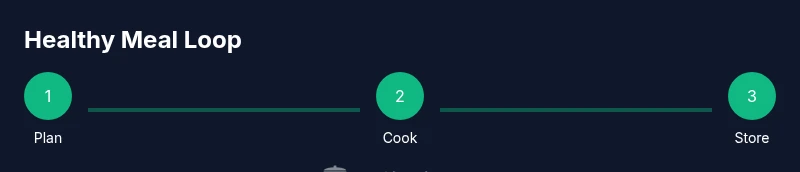
Batch cooking is the secret weapon for healthful eating on a timetable. Start by planning a 5- or 7-day menu that centers on a protein, a vegetable, and a grain for each meal. Cook proteins (like chicken, lentils, or beans) in larger quantities and portion them for several meals. Reheat gently to preserve texture and nutrients, and rotate vegetables to maintain variety. Invest in airtight containers and label portions with dates to track freshness. Batch cooking reduces last-minute takeout and supports consistent nutrition throughout the week, turning health food into a workable habit rather than a daily struggle.
Common mistakes and how to avoid them
Common pitfalls include skipping planning, defaulting to ultra-processed convenience foods, and overcooking vegetables. To avoid these, set a weekly plan, keep quick, nutritious staples on hand, and monitor cooking times closely to preserve texture and flavor. Don’t fear fats—opt for healthy fats like extra-virgin olive oil, avocado, and nuts in moderation. Be mindful of sodium in sauces and canned goods, and always read labels for hidden sugars. When in doubt, opt for fresh produce and simple seasonings to let natural flavors shine.
A sample 7-day menu plan using health foods to cook
This weekly plan centers on simple recipes that reuse ingredients to minimize waste:
- Monday: Lentil soup with a side of brown rice and steamed greens.
- Tuesday: Quinoa and roasted vegetable bowl with chickpeas.
- Wednesday: Salmon with roasted broccoli and a lemon-tahini drizzle.
- Thursday: Black bean tacos with avocado and tomato salsa on corn tortillas.
- Friday: Stir-fried vegetables with tofu over quinoa or brown rice.
- Saturday: Whole-grain pasta with tomato sauce, mushrooms, and spinach.
- Sunday: Minimalist grain bowl with lentils, roasted vegetables, and a simple vinaigrette. This plan uses versatile staples, keeps prep time under an hour on most days, and includes a balance of protein, fiber, and healthy fats. You can adjust portions to meet your calorie needs and tweak seasonings to taste.
The science behind nutrition and flavor
Healthy cooking rests on sound nutrition science. Fiber from beans and whole grains supports gut health and satiety, while lean proteins help maintain muscle mass and metabolic health. Cooking methods that preserve micronutrients—steam, gentle simmer, and quick sauté—maximize vitamin availability. Flavor comes from balancing umami, acidity, freshness, and texture, which reduces the urge for added salt or sugar. Pairing ingredients with complementary textures (creamy with crisp, soft with crunchy) makes meals more satisfying and encourages ongoing adherence to a health-focused cooking style. The health benefits of these practices are supported by the broader nutrition literature and public health resources.
Putting it all together: practical weekly planning tips
To translate theory into practice, start with a single week trial. Build a core repertoire of 4–6 meals that you enjoy and that fit your schedule. Shop with a precise list, prep on a designated day, and store meals in clearly labeled containers. Track what you actually eat to refine future plans and reduce food waste. With time, healthy cooking becomes second nature, and you’ll notice improvements in energy, mood, and overall wellbeing.
Tools & Materials
- Chef's knife (8-inch or larger)(Sharp blade for versatile chopping)
- Cutting board (non-slip)(Stable surface, one for veggies and one for proteins)
- Measuring cups and spoons(Metric-friendly is ideal)
- Saucepans (2-3 quart) and skillet (10-12 inch)(For simmering sauces and sautéing proteins)
- Baking sheet(Roasting vegetables and proteins evenly)
- Steamer insert or pot for steaming(Preserves nutrients during veggie cooking)
- Mixing bowls (glass or stainless)(For marinating and mixing ingredients)
- Whisk and tongs(Essential for emulsions and turning foods)
- Food storage containers (airtight)(Label and date portions)
- Blender or food processor (optional)(For dressings, sauces, or purées)
- Kitchen timer or phone timer(Keep track of cooking times precisely)
- Meat thermometer (optional)(Ensure proteins reach safe temperatures)
Steps
Estimated time: 1.5-2 hours
- 1
Define your health goals
Identify clear, realistic objectives for your cooking: energy needs, weight goals, or performance targets. Write them down and revisit them weekly to stay motivated. This anchors your recipe choices and portion sizes.
Tip: Set SMART goals (Specific, Measurable, Achievable, Relevant, Time-bound) and keep them visible. - 2
Build your staples
Create a basic pantry of whole grains, legumes, vegetables, and lean proteins. Having ready-to-go components reduces decision fatigue and speeds up weeknight meals.
Tip: Label staples with purchase date to monitor freshness. - 3
Choose nutrient-preserving methods
Prioritize steaming, simmering, and gentle sautéing. Limit prolonged boiling and deep-frying to preserve vitamins and minerals.
Tip: Use lids on pots to retain heat and nutrients. - 4
Plan your week with balance
Draft a simple plan that pairs a protein, a vegetable, and a grain for each meal. Include at least one fruit or dairy product for micronutrients.
Tip: Aim for color variety on each plate to maximize micronutrient intake. - 5
Batch cook and store
Prepare proteins, grains, and veggies in batches. Portion into containers for quick reheating and future meals.
Tip: Reheat gently to preserve texture and nutrients. - 6
Review and adjust
At the week's end, note what worked, what didn’t, and adjust portions, flavors, and timings for next week.
Tip: Keep a simple log of meals and outcomes to guide improvements.
Quick Answers
What counts as 'health food' for cooking at home?
Health food for home cooking emphasizes minimally processed ingredients, plenty of vegetables, lean proteins, whole grains, and healthy fats. It’s less about perfection and more about consistent, nourishing choices.
Health foods are whole, minimally processed ingredients—vegetables, lean proteins, and whole grains—used regularly in everyday cooking.
Can I cook healthy meals on a tight budget?
Yes. Plan meals around affordable staples like beans, lentils, oats, and seasonal produce. Buy in bulk, use leftovers, and minimize waste to keep costs down while maximizing nutrition.
Yes, you can cook healthy meals on a budget by planning and using affordable staples.
Which cooking methods preserve nutrients best?
Steaming, simmering, and quick sautéing help retain vitamins and minerals better than prolonged boiling or deep-frying. Use batch cooking to limit heat exposure.
Steaming and gentle simmering preserve nutrients effectively.
Are frozen vegetables as nutritious as fresh?
Frozen vegetables are often picked and frozen at peak ripeness, preserving nutrients. They can be a convenient, budget-friendly alternative when fresh produce is scarce.
Frozen vegetables can be just as nutritious as fresh, and sometimes more practical.
How do I plan a weekly healthy menu?
Start with a protein, a veggie, and a grain for each meal. Batch cook proteins and grains, and repurpose leftovers into new meals to save time.
Plan meals around protein, vegetables, and whole grains, and batch-cook to save time.
Do I need supplements if I cook health foods?
Most people can meet nutrient needs through a balanced diet. Only consider supplements if you have a documented deficiency or dietary restrictions, ideally after consulting a professional.
Supplements aren’t routinely required if you eat a balanced diet, but check with a clinician if concerned.
Watch Video
Top Takeaways
- Plan weekly menus to reduce waste.
- Choose whole foods as your base.
- Preserve nutrients with quick, gentle cooking methods.
- Batch cook to save time and money.
- Involve protein, vegetables, and whole grains at every meal.