Can You Cook Leg of Lamb from Frozen? Safe Methods and Tips
Learn whether you can cook leg of lamb from frozen, plus safe temperatures, thawing options, and a practical, step-by-step guide to keep the meat juicy, flavorful, and safe for your next roast.


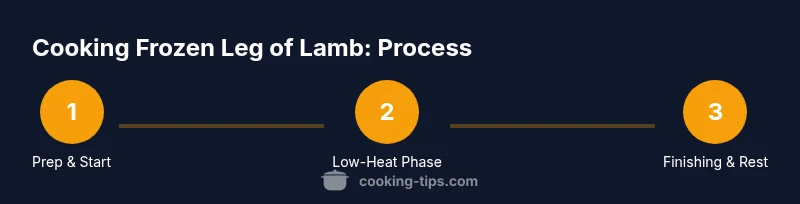
Yes, you can cook leg of lamb from frozen, but it’s not the same as thawing first. The safest approach is to start at a lower temperature to cook through the center, then finish with higher heat to develop a crust. Expect 1.5x to 2x longer cooking time, and use a meat thermometer to confirm doneness.
Can You Cook Leg of Lamb from Frozen: Safety and Quality
The question can you cook leg of lamb from frozen is common in busy kitchens and on busy Sundays. From a safety perspective, cooking from frozen is permissible when you ensure the meat reaches a safe internal temperature and rests properly. The Cooking Tips team emphasizes that the method you choose should prioritize even heat distribution to avoid cold centers and uneven browning. When you start with a frozen leg, you’ll typically need more time, and you’ll want to monitor the center with a reliable meat thermometer. This approach can deliver a succulent interior while still achieving a desirable exterior crust. Throughout this guide, the focus remains on staying within safe cooking parameters while maximizing flavor, so even if you ask can you cook leg of lamb from frozen, you’ll find practical steps you can apply in your kitchen today.
Thawing Versus Cooking Frozen Leg of Lamb: When to Thaw
If you’re planning ahead, thawing is often the simpler route to even cooking. Thawing overnight in the refrigerator yields a more uniform heat transfer, reduces the risk of an underdone center, and makes it easier to apply seasoning and marination. Quick thaw methods exist, such as submerging the wrapped leg in cold water, changing the water every 30 minutes. However, if you’re pressed for time, cooking from frozen is possible but expect a longer timeframe and some texture differences. In the end, can you cook leg of lamb from frozen depends on your timeline and equipment. The Cooking Tips team recommends weighing the trade-offs and choosing what aligns with your schedule and guests’ expectations.
Choosing the Right Prep for Frozen Leg of Lamb
Before you start can you cook leg of lamb from frozen, decide on whether to roast, sear, or use a combination approach. Searing creates a browned crust that adds flavor but may require finishing in the oven to avoid a raw center. With a frozen leg, planning becomes crucial: you’ll want a roasting setup that allows air to circulate and heat to reach the center gradually. If you have time, thawing gives you more predictable results; if not, a two-stage method—low heat first, then high heat for crust—helps mimic the effect of a properly thawed roast. The key is to maintain consistent temperatures and monitor doneness with a thermometer.
Step-by-Step Approach to Cooking from Frozen Leg of Lamb
Cooking a frozen leg of lamb requires a thoughtful sequence: start in a moderate oven to bring the center up to temperature slowly, then finish with higher heat to develop a crust. If you’re unsure can you cook leg of lamb from frozen, this technique helps ensure safety while preserving juiciness. You’ll need a rack, roasting pan, thermometer, and time. Keep the temperature changes gradual and verify doneness before resting.
Flavor Boosts: Seasoning and Crusting While Frozen
Flavoring a frozen leg of lamb is different from seasoning a thawed roast. Consider a dry rub that sticks to cold meat and enhances browning. You can apply salt, garlic, and herbs before you start or sprinkle them after the leg has begun to thaw slightly. A quality olive oil glaze can help with color and moisture. Remember, can you cook leg of lamb from frozen and still achieve a flavorful result? Yes, with careful seasoning and timing.
Common Mistakes and How to Avoid Them
One frequent error is trying to rush the process by cooking from frozen at a high heat. This risks a cold center and overcooked exterior. Another pitfall is not using a thermometer, which makes it hard to know when the center hits the target temperature. A third error is skipping resting time; the juices redistribute, improving flavor and tenderness. Avoid these by planning ahead, checking internal temperature, and allowing a proper rest period after cooking.
Serving, Resting, and Leftovers: Practical Tips
After cooking can you cook leg of lamb from frozen, giving it a proper rest is essential. Tent loosely with foil for 10-20 minutes to allow juices to redistribute. Slice against the grain and serve with roasted vegetables, potatoes, or a fresh mint sauce. If you have leftovers, refrigerate within two hours and use within 3-4 days, or freeze for longer storage. Proper handling ensures safety and quality for future meals.
Real-World Variations: Oven, Dutch Oven, and Pressure Cooker Options
The basic principle applies across different vessels: heat gently to the center, then finish with a hotter phase to crown the surface. An enameled Dutch oven can help trap moisture and maintain even heat if you’re cooking from frozen. A traditional roast pan works well with a rack to promote air flow. Some cooks experiment with pressure cooking for the center, but that method requires precise timing and may not yield the traditional roast crust. can you cook leg of lamb from frozen? With the right equipment, you can.
Do-Ahead Planning: Timelines and Servings for Frozen Lamb Roasts
Planning is the unsung hero of a successful frozen roast. Estimate total time by adding 1.5x to 2x the typical thawed cooking time, then factor in resting time. If you’re feeding a crowd, double-check portions to avoid leftovers that don’t reheat well. Consider sides that reheat easily and accommodate a range of doneness preferences. By planning ahead, you’ll reduce stress and still deliver a delicious leg of lamb.
Final Thoughts: Can You Cook Leg of Lamb from Frozen with Confidence?
Yes, you can cook leg of lamb from frozen with careful control of heat, time, and doneness verification. The key is to approach the process with a plan, rather than hoping for a quick finish. With the right technique, you’ll enjoy juicy meat, a golden crust, and a meal that satisfies. The Cooking Tips team is confident that home cooks can execute a successful frozen roast when they follow these guidelines and keep food safety top of mind.
Tools & Materials
- Roasting pan with rack(Promotes even heat and air circulation)
- Meat thermometer(Probe in center, not touching bone)
- Aluminum foil or tent(For resting and crust control)
- Oven safe thermometer (optional)(Monitors oven temperature for accuracy)
- Basting brush and olive oil(Helps with crust and moisture)
- Carving knife and cutting board(For clean slices)
- Dry seasonings (garlic, rosemary, salt)(Flavor base for rub)
- Water bath or thawing containers (if thawing)(Cold water thaw method)
Steps
Estimated time: Total time: 2.5-3 hours (plus resting)
- 1
Prep and preheat
If you can, plan to thaw; if not, remove packaging and pat dry. Preheat your oven to a moderate starting temperature to promote even heat penetration. Place the lamb on a rack in a roasting pan so air can circulate around the meat.
Tip: Even heat distribution is critical for frozen meat; avoid overcrowding the pan. - 2
Season and oil
Rub the surface with salt, garlic, and rosemary, and drizzle with olive oil. This forms a crust and adds flavor while the interior cooks slowly. If the leg is very large, consider tying the roast so it cooks evenly.
Tip: Seasoning after some thawing can help the rub adhere; you can rub again after the initial resting period if needed. - 3
Lower heat to start
Cook the frozen leg at a lower heat initially to let the center come to temperature without burning the exterior. Keep the pan uncovered to maximize browning in the later stage.
Tip: Use a thermometer to monitor the center; avoid over-reducing the exterior crust during the first phase. - 4
Finish with higher heat
Once the center has warmed, increase the oven temperature to finish browning the crust and surface. This step yields the classic roast look and texture.
Tip: Watch the crust closely; a deep brown crust is appealing but avoid scorching. - 5
Rest and check doneness
Remove from oven when the internal temperature approaches target, then tent with foil and rest 10-20 minutes. Use the thermometer to confirm the final doneness, allowing for carryover heat.
Tip: Resting redistributes juices for a juicier slice. - 6
Slice and serve
Carve against the grain into thick slices, and serve with your preferred sides. If there are leftovers, refrigerate promptly or cool and freeze for longer storage.
Tip: Trim excess fat before slicing for a cleaner presentation.
Quick Answers
Can you safely cook leg of lamb from frozen?
Yes, but you must use a low-to-moderate starting heat and verify doneness with a meat thermometer. Expect longer cooking times and a crust achieved later in the process.
Yes, you can, but you’ll need longer cooking time and careful temperature checks with a thermometer.
Is thawing always better than cooking from frozen?
Thawing generally yields more even cooking and simpler seasoning, but can you cook leg of lamb from frozen is a viable alternative when time is short.
Thawing usually gives even cooking, but cooking from frozen works if you plan for longer time and monitor doneness.
What internal temperature should I aim for?
Aim for about 145°F (63°C) for medium-rare, or 160°F (71°C) for well done, with a 3-minute rest as recommended for lamb.
Aim for 145 to 160 degrees Fahrenheit depending on doneness, then rest before slicing.
Should I thaw before roasting if I have time?
If time allows, thaw in the fridge overnight for the most even cooking and best flavor absorption.
If you have time, thaw in the fridge overnight for best results.
What are common mistakes when cooking frozen lamb?
Common mistakes include cooking from frozen at high heat, skipping thermometers, and not resting. These can lead to a dry exterior and uneven center.
Avoid high heat, skip the thermometer, and don’t skip resting to prevent a dry center.
Watch Video
Top Takeaways
- Plan for longer cook time when starting with frozen meat.
- Use a thermometer to verify doneness, not color alone.
- Finish with a hot phase to develop a crust.
- Rest before slicing to maximize juiciness.
- Tying the leg helps even cooking when starting from frozen.